
What Is ICE and What Powers Do Its Agents Have to Use Force?
Understanding the Role, Authority, and Legal Limits of U.S. Immigration and Customs Enforcement
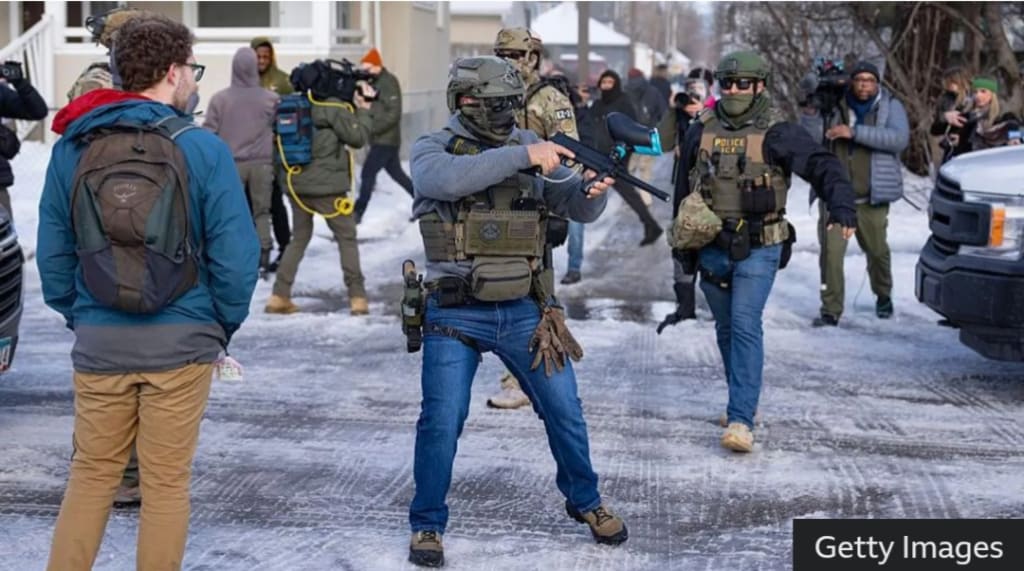
Immigration and Customs Enforcement, commonly known as ICE, is one of the most debated and scrutinized law enforcement agencies in the United States. Frequently appearing in headlines related to immigration enforcement, border security, and public protests, ICE often raises questions about what it does, how it operates, and the authority its agents have to use force. Understanding ICE’s role and legal powers is essential for grasping how immigration law is enforced in the US and where the limits of that enforcement lie.
What Is ICE?
ICE is a federal law enforcement agency under the US Department of Homeland Security (DHS). It was created in 2003 following the September 11 attacks, as part of a major restructuring of federal security agencies. ICE’s mission is to protect the United States from threats related to illegal immigration, cross-border crime, human trafficking, and smuggling.
The agency employs more than 20,000 people, including law enforcement officers and support staff, and operates both within the US and internationally. While ICE is often associated primarily with immigration arrests and deportations, its responsibilities are broader and divided into two main divisions.
The Two Main Divisions of ICE
ICE operates through two principal branches, each with distinct responsibilities:
Homeland Security Investigations (HSI):
HSI is the investigative arm of ICE and handles a wide range of criminal investigations. These include human trafficking, drug smuggling, cybercrime, child exploitation, financial crimes, and violations of export laws. HSI agents often work in collaboration with other federal, state, and international law enforcement agencies.
Enforcement and Removal Operations (ERO):
ERO is responsible for enforcing US immigration laws inside the country. This includes identifying, arresting, detaining, and deporting non-citizens who are in violation of immigration law. ERO officers conduct arrests, manage detention facilities, and carry out removal orders issued by immigration courts.
Both divisions employ sworn federal officers, but their day-to-day work and enforcement priorities differ significantly.
Legal Authority of ICE Agents
ICE agents derive their authority from federal immigration statutes and criminal law. They are empowered to investigate violations of immigration law, execute administrative and criminal warrants, and make arrests under certain conditions.
ICE officers can arrest individuals without a warrant if they believe a person is unlawfully present in the US and likely to escape before a warrant can be obtained. They can also detain individuals who have final orders of removal or who are suspected of serious immigration violations.
In criminal cases, especially those handled by HSI, ICE agents have similar arrest powers to other federal law enforcement officers when probable cause exists that a crime has been committed.
When Can ICE Agents Use Force?
Like other law enforcement officers, ICE agents are authorized to use force when necessary to carry out their duties. However, the use of force is governed by strict internal policies, federal law, and constitutional standards.
ICE follows a “use-of-force continuum,” which outlines escalating levels of force based on the situation. Agents are trained to use the minimum amount of force necessary to achieve a lawful objective. This can range from verbal commands and physical restraint to more serious measures in extreme circumstances.
Types of Force ICE Agents May Use
ICE agents may use several forms of force depending on the level of resistance or threat they encounter:
Physical control:
This includes techniques such as handcuffing, escort holds, or takedowns used to restrain a person who is resisting arrest.
Less-lethal force:
Agents may carry tools like batons, pepper spray, or tasers. These are intended to incapacitate temporarily without causing lasting harm and are used when physical control alone is insufficient.
Deadly force:
ICE agents are permitted to use deadly force only when they reasonably believe it is necessary to protect themselves or others from an imminent threat of death or serious bodily injury. This standard mirrors the rules applied to other federal law enforcement agencies.
Limits and Oversight of ICE’s Use of Force
ICE agents do not have unlimited authority. Their actions are constrained by the US Constitution, particularly the Fourth Amendment, which protects against unreasonable searches and seizures. Any use of force must be reasonable under the circumstances.
ICE also has internal oversight mechanisms. Incidents involving serious force, injury, or death are subject to review by ICE’s Office of Professional Responsibility. In some cases, the DHS Office of Inspector General or the Department of Justice may become involved.
Additionally, ICE agents can be held legally accountable through civil lawsuits or criminal charges if they exceed their authority or violate an individual’s rights.
Public Controversy and Criticism
ICE’s enforcement methods and use of force have been the subject of intense public debate. Critics argue that aggressive tactics, workplace raids, and arrests in public spaces create fear in immigrant communities and sometimes lead to unnecessary confrontations. Supporters counter that ICE is enforcing laws passed by Congress and plays a vital role in national security and public safety.
This tension has made ICE one of the most politically sensitive agencies in the federal government, with its policies often shifting depending on presidential administrations and DHS leadership.
Why Understanding ICE Matters
Whether viewed as a necessary law enforcement body or a controversial symbol of immigration policy, ICE wields significant power. Understanding what ICE is, what its agents do, and the limits on their authority helps clarify ongoing debates about immigration, civil liberties, and public safety.
At its core, ICE operates under the same legal framework as other federal law enforcement agencies: empowered to enforce the law, but bound by rules designed to protect individual rights. The question of how that power should be used remains a central issue in America’s ongoing immigration conversation.
About the Creator
Keep reading
More stories from Salaar Jamali and writers in The Swamp and other communities.
Gold Price Today: Bullion Slips from Record Highs as Profit-Taking Meets a Firmer Dollar
Gold, often regarded as a safe-haven asset, has seen significant fluctuations in recent trading sessions. Today, the bullion price slipped from record highs, reflecting a combination of profit-taking by investors and a strengthening U.S. dollar. This movement underscores the delicate balance between market sentiment, currency strength, and global economic conditions, illustrating why gold remains a closely watched asset for traders, investors, and analysts worldwide.
By Salaar Jamalia day ago in The Swamp


Comments
There are no comments for this story
Be the first to respond and start the conversation.