
United States Office Furniture Market Size and Forecast 2025–2033
How Hybrid Work, Ergonomics, and Sustainability Are Reshaping America’s Office Furniture Industry


The United States Office Furniture Market is undergoing a profound transformation as work culture, design priorities, and technology rapidly evolve. According to Renub Research, the market is projected to grow from US$ 17.12 billion in 2024 to US$ 26.45 billion by 2033, representing a CAGR of 4.95% during 2025–2033. This growth is rooted in shifting workplace dynamics, the rise of hybrid work, technological advancements in furniture design, and increasing demand for sustainability-driven products.
With organizations investing in adaptable, ergonomic, and tech-integrated furniture, the U.S. market is becoming a global hub for workplace innovation. From modular office setups to intelligent workstations, the modern office is no longer static — it is a flexible, wellness-focused, and digitally connected ecosystem.
United States Office Furniture Industry Overview
The industry is being fundamentally reshaped by changing work styles. The widespread adoption of remote and hybrid work models has pushed companies to rethink traditional office layouts and invest in flexible solutions designed to enhance both collaboration and productivity.
Furniture like height-adjustable desks, modular workstations, reconfigurable meeting pods, and movable dividers has become essential as workplaces shift from rigid setups to fluid, multi-purpose environments. At the same time, employees working from home are investing in high-quality chairs, personal desks, and ergonomic accessories to build healthier and more productive home offices.
Ergonomics Leads the Design Revolution
Employee well-being is now a central workplace priority. Whether in corporate offices or remote setups, users are demanding furniture that prevents strain, improves posture, and enhances comfort. As ergonomic awareness grows, products such as lumbar-supportive chairs, monitor arms, sit-stand desks, and adjustable lighting are gaining popularity.
Sustainability as a Competitive Advantage
Both individuals and corporations are increasingly prioritizing eco-friendly materials and manufacturing processes. The market has seen a strong shift toward products made from:
Reclaimed or recycled wood
Bamboo
Biodegradable textiles
Low-VOC adhesives and coatings
ESG (Environmental, Social, and Governance) goals and green procurement policies are pushing organizations to choose certified sustainable furniture. Labels like FSC, GREENGUARD, and BIFMA LEVEL are becoming important purchasing criteria.
Technology Integration: The Smart Office Furniture Era
As digital transformation accelerates, office furniture is becoming more intelligent. Features like:
IoT-enabled sensors
Integrated charging ports
Mobile-controlled seat adjustments
Biometric posture monitoring
Programmable height desks
are no longer futuristic concepts — they are quickly becoming mainstream in high-tech office environments. This shift is particularly strong in tech-forward states like California, New York, and Washington.
Key Factors Driving United States Office Furniture Market Growth
1. Growth of Remote & Hybrid Work Models
Remote and hybrid work has shifted office furniture demand in unprecedented ways. According to Neat’s State of Remote Work 2024, 58% of U.S. professionals prefer remote work at least three days per week, and 14% of the entire workforce now works from home full-time.
This has driven:
A boom in home office furniture
Rising purchases of ergonomic chairs and compact desks
Demand for aesthetically pleasing, space-saving furniture
Investment in premium home-office setups, often sponsored by employers
Hybrid policies have also fueled corporate investments in collaborative spaces designed for team days, brainstorming sessions, and hybrid meeting rooms. As companies prioritize productivity and comfort in both home and office settings, the market continues to grow.
2. Strong Emphasis on Ergonomics and Employee Wellness
Ergonomics is now a mandatory corporate investment rather than an optional upgrade. Employers are increasingly focused on:
Reducing musculoskeletal injuries
Supporting long working hours
Improving employee satisfaction and retention
Lowering absenteeism and boosting productivity
Furniture innovations include:
Chairs with adjustable lumbar and neck support
Sit-stand desks with customizable presets
Anti-fatigue floor mats
Monitor arms and posture-detection technology
The wellness trend is equally strong among remote workers seeking healthier setups at home.
3. Technological Developments and the Rise of Smart Furniture
Smart office furniture is emerging as the future of workplace design. Chairs with biometric sensors, AI-enabled desk height suggestions, and IoT-connected meeting pods are increasingly in demand.
Tech-integrated furniture is valued for:
Personalization
Space optimization
Energy efficiency
Productivity enhancement
Workplace data analytics
This trend aligns with the growing adoption of digital-first strategies by corporations across the U.S., especially in technology, banking, consulting, and co-working sectors.
Challenges Facing the United States Office Furniture Market
1. Supply Chain Disruptions & Raw Material Cost Volatility
The pandemic-induced supply chain disruptions still linger in global trade. Key challenges include:
Shipping delays
Shortages of steel, wood, foam, and polymers
Freight cost volatility
Labor shortages
Overdependence on imported materials
These issues force manufacturers to balance costs, inventory, and production schedules carefully. Many companies are now turning toward nearshoring and localized manufacturing to reduce risks.
2. Intense Competition and Pressure from Low-Cost Imports
The U.S. market faces significant competition from both domestic and international players. Low-cost furniture imports, especially from Asia, continue to challenge U.S. manufacturers in terms of pricing.
Imported furniture often competes aggressively in:
Chairs
Basic desks
Storage units
Modular systems
To stay competitive, U.S. brands are focusing on quality, customization, sustainability, and faster delivery — areas where imported products often lag.
United States Office Furniture Market Overview by States
Demand varies widely by region, influenced by corporate activity, real estate development, remote-work penetration, and local economic trends.
California
California remains one of the largest and most dynamic markets, driven by:
High concentration of tech giants and startups
Massive co-working ecosystem
Hybrid work adoption in Silicon Valley and Los Angeles
Sustainability-focused consumers
Progressive labor laws encouraging ergonomic investments
Additional growth stems from home office setups, which surged during the rise of remote work.
Texas
Texas has emerged as a leading growth hub thanks to:
Corporate relocations from California and New York
Rapid commercial real estate development
Expanding tech hubs in Austin and Dallas
Strong presence of healthcare, education, and government buyers
The state’s business-friendly environment attracts continuous investment in office infrastructure, boosting demand for modern, flexible furniture.
New York
New York’s market reflects the unique dynamics of dense urban workspaces. Key drivers include:
High demand for space-saving and premium office furniture
Hybrid office redesigns across finance, media, and tech sectors
A rising market for stylish home office setups
Increased need for quick delivery and customization in Manhattan offices
The state remains a leading buyer of ergonomic and high-end furniture made for compact, design-centric workplaces.
Current Industry Developments
The industry is witnessing consolidation, innovation, and the rise of circular business models. Key developments include:
NORNORM (May 2025) expanded its subscription-based circular furniture service across Europe, reflecting rising global demand for flexible rental furniture.
Humanscale (August 2024) launched its first branded online store for refurbished office furniture, reinforcing the trend toward sustainability and circular economy practices.
MOI (July 2024) acquired Harris Office Furniture, further strengthening its East Coast presence amid ongoing industry consolidation.
These moves highlight shifting consumer preferences toward affordability, sustainability, and flexible procurement.
Market Segmentations
By Product
Chairs
Tables
Storage Units
Sofas & Soft Seating
Booths and Dividers
Other Furniture (Stools, Accessories, etc.)
By Material
Wood
Metal
Plastic & Polymer
Other Materials
By Price Range
Economy
Mid-range
Premium
By End User
Corporate Offices
Healthcare Offices
Educational Institutions
Government & Public Offices
Hospitality & Retail Back-office
Others
By Distribution Channel
Direct Sales
Specialist Stores
Non-Specialist Stores
Online
Others
By States
California
Texas
New York
Florida
Illinois
Pennsylvania
Ohio
Georgia
Washington
New Jersey
Rest of the United States
Key Players Covered
Herman Miller Inc.
HNI Corporation
Steelcase Inc.
Haworth Inc.
9to5 Seating LLC
Ashley Furniture Industries, LLC
Global Furniture Group
Teknion
OKAMURA CORPORATION
Interior Systems, Inc.
Each of these companies was analyzed in terms of key personnel, recent developments, SWOT analysis, and revenue performance.
Final Thoughts
The United States Office Furniture Market is undergoing a major evolution driven by hybrid work, digital transformation, sustainability goals, and rising ergonomic awareness. As organizations continue to redesign work environments for flexibility and well-being, the market promises robust growth over the next decade.
Whether through tech-enabled desks, modular setups, or sustainable materials, the future of office furniture in the U.S. is geared toward creating workspaces that are smarter, healthier, and more adaptable than ever before.
About the Creator
Marthan Sir
Educator with 30+ years of teaching experience | Passionate about sharing knowledge, life lessons & insights | Writing to inspire, inform, and empower readers.
Keep reading
More stories from Marthan Sir and writers in The Swamp and other communities.
Automotive Paint Market Companies Analysis
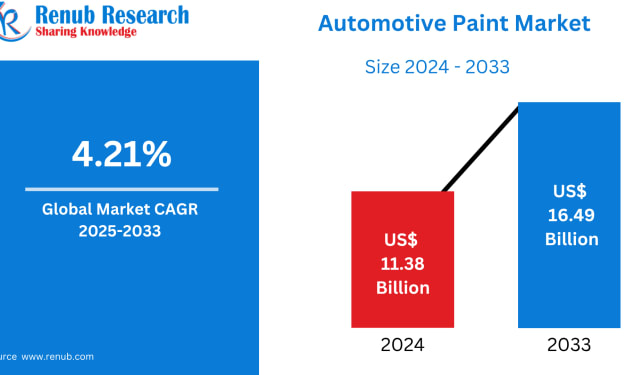
The international automotive paint market sits at a crossroads. Valued at roughly US$ 11.38 billion in 2024, the sector is steadying for gradual expansion — projected by Renub Research to grow at a 4.21% CAGR from 2025–2033 and reach about US$ 16.49 billion by 2033. That trajectory reflects more than simple demand for fresh colours: it’s the consequence of regulatory pressure, changing vehicle architectures (hello, EVs), and a wave of technology-driven product upgrades that promise better performance with a smaller environmental footprint.
By Marthan Sirabout a month ago in The Swamp
Ian Bremmer: U.S. Ending Its “Own Global Order”
Political scientist and Eurasia Group president Ian Bremmer has issued a stark warning: the United States is bringing an end to the global order it spent decades building. According to Bremmer, Washington’s shifting priorities, domestic polarization, and growing reluctance to underwrite international leadership are accelerating a transition toward a far more fragmented and unpredictable world.
By Ayesha Lashari6 days ago in The Swamp


Comments
There are no comments for this story
Be the first to respond and start the conversation.