
United’s Stock Rallies as Airline’s Perks and Loyalty Strategy Pays Off
Enhanced customer benefits and rewards programs drive investor confidence and boost market value

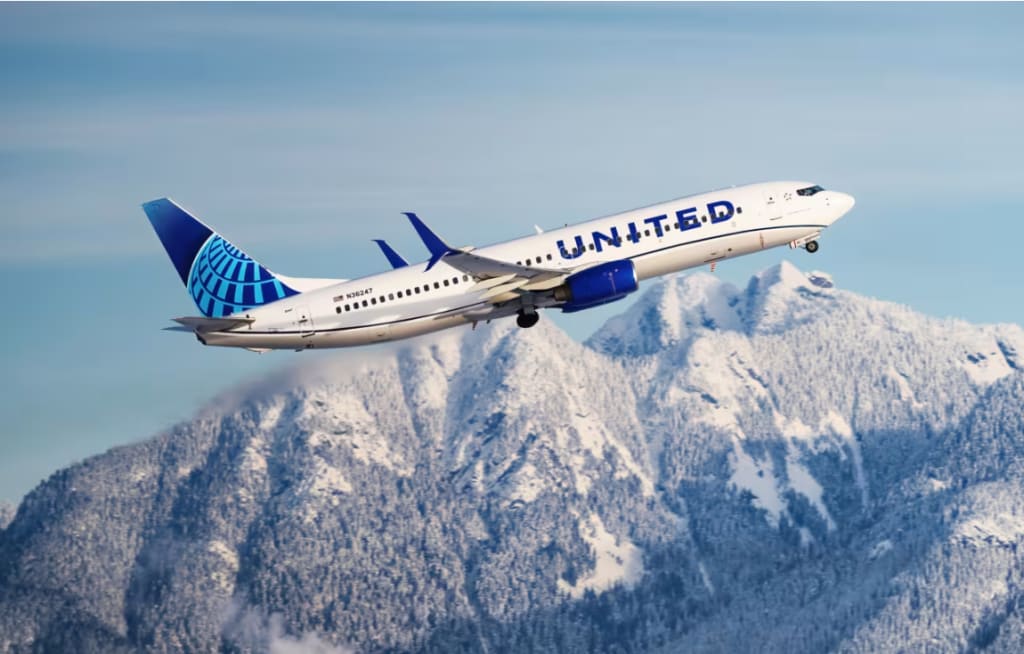
United Airlines’ stock has soared in recent weeks, reflecting growing investor optimism about the airline’s customer-focused strategies. At the center of the rally are United’s efforts to enhance perks for travelers and revamp its loyalty programs, which have begun to deliver tangible results in customer retention, bookings, and revenue growth. The surge in stock price signals that the market sees these initiatives as more than just marketing gestures—they are reshaping the airline’s competitive position in an industry still recovering from pandemic-era turbulence.
In this blog-style analysis, we break down how United Airlines’ loyalty strategies are contributing to its stock performance, why investors are responding positively, and what this could mean for the broader airline sector.
Loyalty Programs as a Competitive Edge
United has long been a major player in the U.S. airline industry, but its recent focus on enhancing loyalty rewards has been a key differentiator. The airline has introduced new tiers, benefits, and partnership perks designed to make frequent flying more rewarding.
Frequent flyers now enjoy priority boarding, upgraded seating options, and exclusive access to partner services. Additionally, United’s MileagePlus program has expanded its network of partners, allowing travelers to earn and redeem miles across hotels, car rentals, and retail platforms. These enhancements are not just conveniences—they strengthen customer attachment and increase the likelihood of repeat business, which is critical in a competitive industry where brand loyalty is often fleeting.
Analysts suggest that loyalty programs are particularly effective because they create a sense of exclusivity and belonging, encouraging travelers to choose United over competitors. This “stickiness” in customer behavior translates directly into more consistent bookings and revenue streams.
Perks That Drive Customer Satisfaction
Beyond loyalty points, United has rolled out several service enhancements designed to improve the travel experience. Innovations include upgraded in-flight entertainment, improved meal options, and expanded premium cabin offerings. Additionally, United has focused on customer service, investing in staff training and technology to resolve issues faster and more efficiently.
Passengers are responding positively. Surveys indicate that travelers are more likely to recommend United to others, and online sentiment scores have improved significantly. By combining tangible perks with improved service quality, United is turning occasional flyers into brand advocates—a crucial factor in maintaining revenue momentum in a post-pandemic market.
Stock Market Reaction
Investors have noticed the results of United’s strategic initiatives. In recent weeks, the airline’s stock has rallied, outperforming sector averages. Analysts attribute this surge to several factors:
Higher booking volumes: Enhanced loyalty programs and perks encourage repeat bookings.
Revenue growth: Frequent flyers contribute disproportionately to profitability, particularly in premium cabins.
Brand differentiation: United’s customer-centric strategies distinguish it from competitors, potentially capturing market share.
Financial analysts emphasize that sustained customer satisfaction and loyalty can translate into long-term shareholder value, not just short-term gains. By focusing on the passenger experience, United demonstrates a strategy that appeals to both consumers and investors.
Strategic Partnerships Strengthen the Program
United has also expanded its network of strategic partnerships, enhancing the value of its loyalty program. Collaborations with hotels, car rental agencies, and credit card companies allow travelers to earn rewards beyond the airline itself.
This multi-channel approach increases engagement and ensures that United remains central to a traveler’s lifestyle, not just their flight itinerary. The partnerships also provide the airline with additional revenue streams and marketing opportunities, reinforcing the brand’s presence across multiple touchpoints.
Broader Implications for the Airline Industry
United’s successful integration of perks and loyalty programs may set a precedent for competitors. Airlines that invest in customer experience and rewards initiatives could see similar benefits in retention and profitability.
However, not all carriers have the same resources to execute such strategies at scale. United’s stock rally may underscore the importance of innovation in service and loyalty as a differentiating factor in a crowded and competitive market.
Investors are watching closely. The airline industry’s recovery from the pandemic remains ongoing, and airlines that can maintain customer loyalty while controlling costs are better positioned for growth. United’s approach demonstrates a pathway for other carriers to achieve this balance.
Challenges and Considerations
While United’s strategy is paying off, there are challenges to maintain momentum. Rising operational costs, fluctuating fuel prices, and external market shocks can impact profitability even when customer satisfaction is high. Additionally, loyalty programs require ongoing investment to remain attractive, and competitors are likely to respond with their own enhancements.
Analysts also caution that stock rallies based on customer loyalty and perks must be supported by strong financial fundamentals. Investors will be monitoring revenue growth, operating margins, and the airline’s ability to retain top-tier flyers in an increasingly competitive landscape.
Looking Ahead: Sustaining Momentum
For United Airlines, the key to sustaining its stock rally lies in balancing customer satisfaction with operational efficiency. The airline must continue to innovate its loyalty programs, maintain high service standards, and anticipate market trends that affect travel demand.
Investors will also look for indicators such as:
Expansion of premium offerings and ancillary services.
Consistent improvement in passenger experience ratings.
Increased engagement and redemption rates in loyalty programs.
By executing on these fronts, United has the potential to maintain both customer loyalty and investor confidence, positioning itself as a model for long-term growth in the airline sector.
Conclusion: Loyalty and Perks as Drivers of Value
United Airlines’ recent stock rally highlights the growing importance of customer-centric strategies in the airline industry. By enhancing perks, expanding loyalty programs, and improving the overall travel experience, United has strengthened both its brand and financial performance.
For investors, this approach demonstrates that service innovation can translate directly into market confidence. For passengers, it signals a more rewarding and enjoyable travel experience. As United continues to invest in loyalty and perks, it sets a benchmark for how airlines can align customer satisfaction with shareholder value, proving that attentive service and strategic innovation are powerful tools in today’s competitive aviation landscape.
About the Creator
Muhammad Hassan
Muhammad Hassan | Content writer with 2 years of experience crafting engaging articles on world news, current affairs, and trending topics. I simplify complex stories to keep readers informed and connected.
Keep reading
More stories from Muhammad Hassan and writers in The Swamp and other communities.
UK Inflation Rises to 3.4% in December, Above Forecasts
The UK’s inflation rate unexpectedly rose to 3.4% in December, exceeding economists’ forecasts and reigniting concerns about the stubborn nature of price pressures across the economy. The increase marks a setback for policymakers and households alike, as hopes that inflation would continue to cool into the new year have been temporarily dashed. While inflation remains well below the peak levels seen during the height of the cost-of-living crisis, the latest data underscores how fragile progress toward price stability remains.
By Muhammad Hassanabout 11 hours ago in The Swamp
China Sees an Opportunity in Greenland — But Not the One Trump Imagines An insightful and timely analysis of Beijing’s Arctic strategy amid escalating U.S.–Greenland tensions
Subtitl As debates intensify over Greenland’s strategic future, divergent visions clash on what the Arctic island represents on the global stage. Former U.S. President Donald Trump has made dramatic claims about Greenland’s importance, suggesting it must be bought or even taken by the United States to prevent China and Russia from gaining control — a stance that has alarmed diplomats, analysts, and NATO allies alike. But from Beijing’s perspective, the opportunity in Greenland is less about territorial conquest and more about broader geopolitical shifts and the erosion of Western alliances — not quite what Trump thinks.
By Salaar Jamaliabout 12 hours ago in The Swamp
Fighting Ends After Syrian and Kurdish Forces Agree on Ceasefire
After weeks of escalating clashes that threatened to further destabilize northern Syria, Syrian government forces and Kurdish-led groups have agreed to a ceasefire, bringing a fragile calm to areas that had seen intense fighting. The agreement, brokered through regional mediation and quiet international diplomacy, marks a significant moment in a conflict that has repeatedly shifted alliances and front lines over more than a decade. The ceasefire follows violent confrontations between Syrian Arab Army units and Kurdish forces, primarily affiliated with the Syrian Democratic Forces (SDF), in strategically sensitive مناطق near key roads, oil fields, and population centers. The clashes had raised fears of a wider conflict that could draw in external actors already deeply entangled in Syria’s complex war. Why the Fighting Broke Out Tensions between Damascus and Kurdish authorities have simmered for years. While both sides have occasionally cooperated against common threats such as extremist groups, their long-term political goals remain sharply divided. Kurdish groups seek greater autonomy and recognition of their self-administered regions, while the Syrian government insists on full territorial control and centralized authority. Recent fighting was reportedly triggered by disputes over security control, checkpoints, and access to resources, particularly oil and wheat. Local incidents quickly escalated as reinforcements were deployed and artillery exchanges followed, displacing civilians and disrupting already fragile livelihoods. The Ceasefire Agreement According to sources familiar with the talks, the ceasefire includes an immediate halt to hostilities, the withdrawal of heavy weapons from flashpoint areas, and the reopening of key roads for civilian and commercial traffic. Joint coordination mechanisms are also expected to be established to prevent misunderstandings and accidental clashes. Importantly, the agreement reportedly includes provisions for dialogue on local governance and security arrangements, signaling that both sides recognize military escalation as costly and unsustainable. While details remain limited, mediators emphasized that the ceasefire is intended as a first step rather than a comprehensive political settlement. Impact on Civilians For civilians caught in the crossfire, the ceasefire brings cautious relief. Thousands were forced to flee their homes as fighting intensified, seeking shelter with relatives or in makeshift camps. Schools closed, medical services were interrupted, and essential supplies became scarce. Humanitarian organizations have welcomed the truce but warn that conditions remain dire. Many areas affected by the clashes were already struggling with economic hardship, fuel shortages, and the aftermath of years of war. A sustained ceasefire could allow aid access, repairs to infrastructure, and the gradual return of displaced families. Regional and International Dimensions The ceasefire also has broader regional implications. Northern Syria is a geopolitical chessboard involving multiple actors, including Russia, the United States, Turkey, and Iran. Kurdish-led forces have long been supported by the US in the fight against extremist groups, while the Syrian government is backed by Russia and Iran. Any escalation between Syrian and Kurdish forces risks upsetting this delicate balance. Observers note that external actors likely played a behind-the-scenes role in encouraging restraint, as renewed conflict could undermine counterterrorism efforts and complicate regional stability. Turkey, which views Kurdish armed groups near its border as a security threat, is also closely watching developments. A breakdown of the ceasefire could prompt new cross-border operations, further complicating the situation. Challenges Ahead Despite the ceasefire, deep mistrust remains. Previous truces in Syria have often collapsed due to accusations of violations, local power struggles, or shifting external priorities. Analysts caution that without a clear political framework addressing Kurdish autonomy, resource sharing, and integration of armed forces, the current calm may prove temporary. Economic pressures add another layer of risk. Control over oil fields and agricultural land is not only a political issue but also an economic lifeline in a country devastated by sanctions, inflation, and unemployment. Disagreements over revenue sharing could easily reignite tensions. A Fragile Opportunity Still, the ceasefire offers a rare opportunity for de-escalation at a time when Syria can ill afford another front of conflict. If maintained, it could open space for confidence-building measures, local reconciliation efforts, and renewed discussions about Syria’s future governance. For now, residents in affected areas are cautiously hopeful, listening for the sounds of normal life returning instead of gunfire. Whether this ceasefire becomes a stepping stone toward lasting stability or merely a pause in a long-running struggle will depend on the willingness of all sides to prioritize dialogue over force. In a conflict marked by broken agreements and shifting loyalties, even a fragile calm is meaningful. The coming weeks will reveal whether this ceasefire can hold—and whether it can lay the groundwork for a more durable peace in northern Syria.
By Fiaz Ahmed Brohi3 days ago in The Swamp




Comments
There are no comments for this story
Be the first to respond and start the conversation.