
UK Wants Peaceful Transition of Power in Iran, Says Minister
UK calls for calm and reform amid rising tensions and uncertainty over Iran’s future leadership

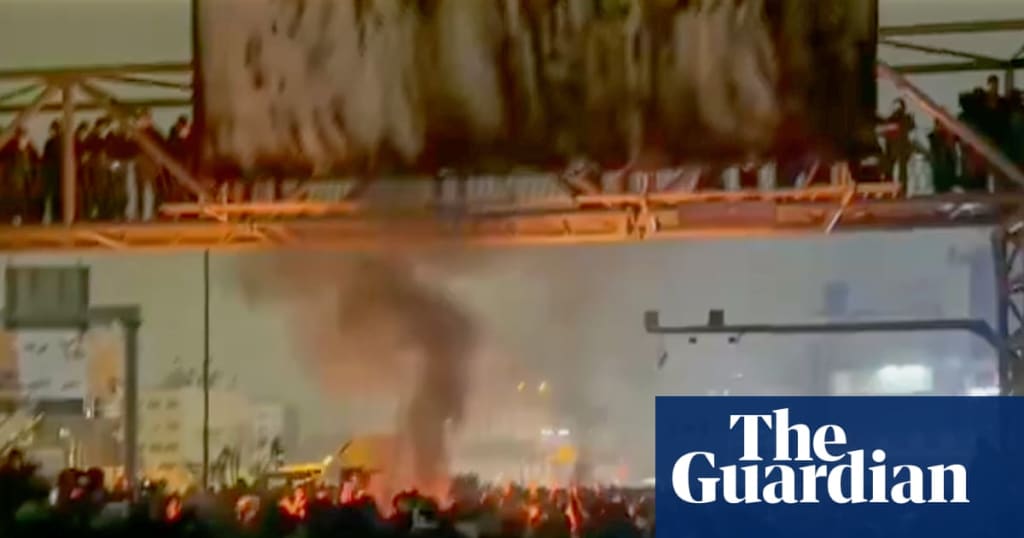
As Iran’s largest wave of protests in years continues, the United Kingdom has publicly urged for a peaceful transition of power in Tehran amid mounting violence and government crackdowns. British officials are emphasizing diplomacy and restraint while calling on the Iranian government to respect human rights, even as divisions within UK politics reveal differing views on how far London should go in supporting change. �
The Standard +1
A Nation in Upheaval
Since late December 2025, millions of Iranians have taken to the streets across the country — from Tehran to Isfahan — in protest against soaring living costs, political repression and a government perceived as unresponsive to the needs and demands of ordinary citizens. The unrest has evolved rapidly, with economic grievances merging into broader calls for systemic change. Security forces’ violent responses have been widely condemned, and clashes have resulted in hundreds of deaths and thousands of detentions. �
The Standard
Against this turbulent backdrop, the UK government says it wants to see Iran move toward a future where fundamental freedoms and democratic values are respected. The call comes from a senior cabinet minister who spoke on national television, making London’s position clearer: peaceful transition, not state-sponsored violence. �
The Standard
London’s Message of Restraint and Reform
UK Transport Secretary Heidi Alexander addressed the situation on Sky News, acknowledging that Iran is a long-standing “hostile state” with security threats to the region and beyond, but underscored that “anything that happens in the future” must involve a **peaceful transition of power where people enjoy fundamental freedoms and democratic values at the heart of the country.” �
The Standard
Her comments reflect a diplomatic approach: London is calling for an end to widespread violence while also supporting the aspirations of ordinary Iranians who want genuine political reform. She stressed that stem- ming violence and ensuring stability were priorities for the UK — a position resonating with many international partners also closely monitoring the crisis. �
The Standard
UK Foreign Secretary Yvette Cooper has echoed this stance, praising the courage of Iranian protesters and insisting that freedom of speech and peaceful assembly should not be met with brutality. Her statements have been integrated into joint declarations alongside allied nations urging Tehran to protect the rights of its own citizens. �
The Standard
Political Divisions in London
While the UK government predominantly champions a peaceful transition, internal political divisions have emerged over how forcefully London should engage with the Iranian crisis.
Transport Secretary Alexander stressed that Britain’s priority is calming the situation and avoiding further escalation, echoing cautious diplomatic language. But some voices within UK politics have taken more hawkish positions, suggesting that regime change could be justified given Tehran’s record of regional hostility and suppression at home. �
upday.com
These differences reflect broader debates in Western capitals on how to balance human rights advocacy with geopolitical caution — where some policymakers prioritize diplomatic pressure and sanctions, and others advocate stronger measures.
The International Context
The UK’s position is part of a concerted international reaction to the Iranian protests. Leaders from the United States and European Union countries have also condemned violence against protesters and emphasized the need for restraint.
In a joint statement, the UK, France and Germany urged Iran to respect freedom of expression and peaceful assembly, condemning reports of civilian deaths and calling on Tehran to allow legitimate dissent without fear of reprisals. �
uk.news.yahoo.com
Across Europe, protests have also occurred in solidarity with Iranians at home, including demonstrations outside the Iranian embassy in London, where protestors briefly removed the Iranian flag in a symbolic gesture against the regime’s authority. �
The Guardian
Why Peaceful Transition Matters
A peaceful transition of power in Iran — as advocated by the UK — carries several key implications:
1. Protecting Civil Rights: After weeks of protests and widespread repression, ensuring that people can exercise fundamental freedoms without fear of violence is seen by London as essential to stability.
2. Avoiding Escalation: Advocates for diplomatic solutions argue that violent suppression will only deepen social fractures and risk broader instability that could spill beyond Iran’s borders.
3. International Stability: Western leaders believe that a peaceful evolution toward a more open system would reduce tensions in the Middle East and lessen the likelihood of military confrontations.
Challenges Remain
Despite the UK’s calls, the situation on the ground remains fraught. Iran’s leadership has responded to dissent with force, while communications blackouts have hampered independent reporting. The potential for further violence is high, and Tehran has warned against foreign interference in its internal affairs.
Critics of London’s cautious approach argue that mere calls for peaceful transition may not be enough to protect protesters or pressure Tehran to enact meaningful change. Conversely, others warn that too aggressive an approach could inflame nationalism and weaken prospects for diplomatic progress.
A Delicate Diplomatic Balance
The UK’s call for a peaceful transition in Iran reflects a tension between moral support for democratic aspirations and caution against deep military involvement. As protests continue to unfold and the Iranian government faces unprecedented pressure, London’s stance underscores a broader Western effort to promote human rights while avoiding direct confrontation.
Only time will tell whether these appeals for peaceful transition influence developments in Tehran — or whether further escalations will test the limits of international diplomacy.
About the Creator
Fiaz Ahmed Brohi
I am a passionate writer with a love for exploring and creating content on trending topics. Always curious, always sharing stories that engage and inspire.
Keep reading
More stories from Fiaz Ahmed Brohi and writers in The Swamp and other communities.
Last Kurdish Forces Leave Aleppo After Ceasefire Deal Reached
In a significant development in the long-running conflict in Syria, the last remaining Kurdish forces have left the city of Aleppo, following a newly negotiated ceasefire deal. The withdrawal marks a pivotal moment in the city’s complex war history, reshaping local power dynamics and leaving many observers to wonder what comes next for Aleppo — once a symbol of the brutal devastation of the Syrian civil war.
By Fiaz Ahmed Brohi8 days ago in The Swamp
Jake Lang and the Silence Between Protest, Power, and Pain
Some names arrive quietly and leave little trace. Others settle into public life like a bruise, tender long after the moment that caused it. Jake Lang is one of those names. You may hear it in political debates, tense community meetings, or whispered conversations where people lower their voices without realizing it. His story sits at the edge of protest and consequence, belief and fear. It is not just about what he did, or where he stood, but about how society reacts when lines are crossed and meanings collide. To understand Jake Lang is to step into discomfort, where emotions matter as much as facts, and where silence often speaks louder than shouting.
By Muqadas khana day ago in The Swamp


Comments
There are no comments for this story
Be the first to respond and start the conversation.