
Ugandan Presidential Candidate Abducted by Military, Opposition Party Says
Rising political tensions spark fears over democracy and human rights in Uganda
Uganda is once again at the center of international attention following shocking claims by the opposition that a presidential candidate has been abducted by the military. The incident, which reportedly occurred shortly after national elections, has intensified concerns over political freedom, electoral integrity, and the future of democracy in the East African nation.
According to the opposition party, armed military personnel forcibly took their leader from his residence and transported him to an unknown location. While the government has denied these allegations, the event has fueled widespread anxiety both within Uganda and beyond its borders.
A Nation on Edge After Elections
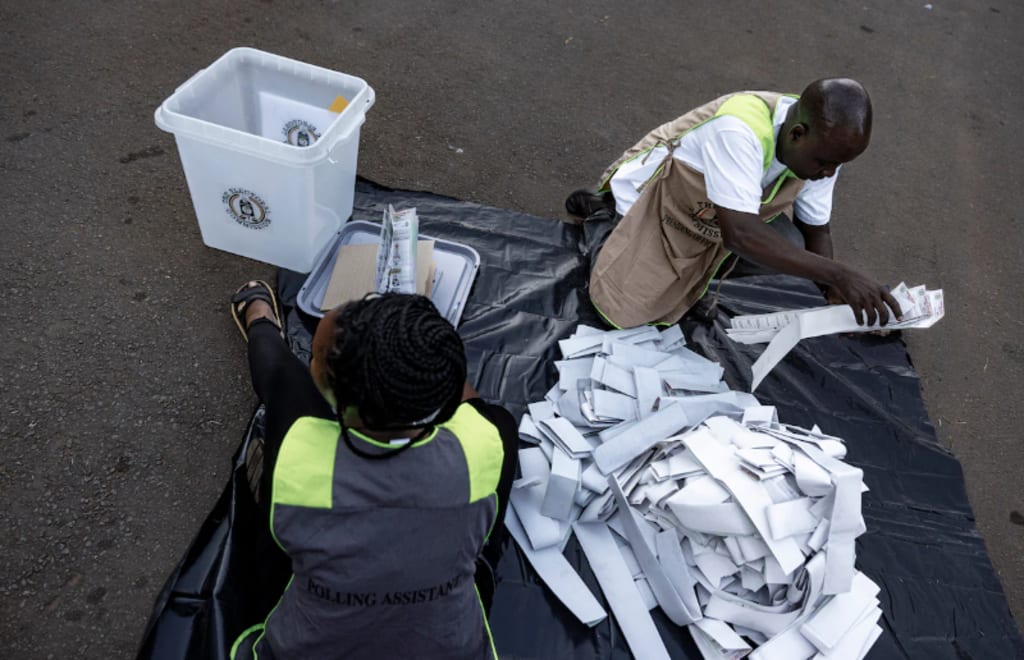
Uganda recently held a highly anticipated presidential election, one that many observers viewed as a critical test of democratic resilience. President Yoweri Museveni, who has been in power for nearly four decades, sought to extend his long rule, while opposition figures—especially younger leaders—mobilized strong grassroots support.
The election period was marked by heightened security, restricted opposition rallies, and reports of harassment against government critics. Internet access was limited in several areas, further restricting the flow of information during vote counting. Against this backdrop, allegations of a military abduction have only deepened mistrust in the electoral process.
Opposition Alleges Military Abduction
The opposition party claims that its presidential candidate was abducted during a late-night military operation. According to party officials, soldiers surrounded the candidate’s home, cut off access, and removed him without presenting any formal arrest warrant. Family members and supporters reportedly lost contact with him for several hours, triggering panic and speculation.
Opposition leaders described the incident as an attack on democracy, arguing that silencing political rivals through force undermines the will of the people. They have called for immediate transparency, access to the candidate, and international intervention to ensure his safety.
Government and Military Denials
Ugandan authorities have strongly denied claims of an abduction. Government spokespersons and military officials insist that the opposition candidate has not been arrested and accuse opposition groups of spreading misinformation to inflame public unrest.
Officials claim that any security presence near opposition figures is purely preventive, aimed at maintaining law and order in a tense post-election environment. According to the government, there is no violation of rights and no illegal detention taking place.
However, the lack of independent verification and limited media access has made it difficult to establish the full truth, leaving citizens caught between conflicting narratives.
A History of Political Tension
This incident is not isolated. Uganda has a long history of strained relations between the government and opposition movements. Over the years, opposition leaders and supporters have frequently reported arrests, intimidation, and excessive use of force by security agencies.
Human rights organizations have documented cases of enforced disappearances, unlawful detentions, and restrictions on freedom of assembly. Critics argue that such tactics are used to weaken opposition momentum, especially during election periods.
For many Ugandans, the alleged abduction fits into a broader pattern of state power being used to suppress dissent.
Public Reaction and International Concern
News of the alleged military abduction spread rapidly on social media, despite internet disruptions. Supporters of the opposition organized protests, while civil society groups demanded accountability and respect for constitutional rights.
International observers and foreign governments have expressed growing concern about the situation. Uganda is considered a key regional player in East Africa, and instability there could have wider implications for regional security and governance.
Calls have been made for calm, transparency, and adherence to the rule of law. Many international voices are urging the Ugandan government to allow independent investigations and ensure the safety of all political actors.
Why This Matters Beyond Uganda
The story of a Ugandan presidential candidate allegedly abducted by the military goes beyond one individual or one election. It raises fundamental questions about:
The role of the military in civilian politics
The protection of opposition leaders
The credibility of elections in long-ruling regimes
The future of democratic transitions in Africa
Young populations across the continent are increasingly demanding accountability, economic opportunity, and political inclusion. How Uganda handles this moment could influence political movements far beyond its borders.
What Happens Next?
As Uganda awaits final election results and further clarification on the opposition candidate’s situation, uncertainty remains high. If the allegations are confirmed, the incident could trigger legal challenges, sanctions, or diplomatic pressure. If disproven, it still highlights the deep lack of trust between the government and opposition.
For now, Ugandans—and the world—are watching closely. The coming days will be crucial in determining whether dialogue, transparency, and lawful processes prevail, or whether political confrontation deepens.
Final Thoughts
The alleged abduction of a Ugandan presidential candidate by the military is a powerful reminder that democracy is not just about voting—it is about freedom, accountability, and respect for human rights. Regardless of political affiliation, the safety of candidates and the integrity of institutions must remain non-negotiable.
Uganda stands at a crossroads. The path it chooses will shape not only its own future, but also the democratic aspirations of a generation across Africa.
About the Creator
Keep reading
More stories from Aqib Hussain and writers in The Swamp and other communities.
US Warns Airlines About Military Activity in Parts of Latin America
The United States has issued a fresh aviation safety warning that has caught the attention of airlines and travelers alike. The Federal Aviation Administration (FAA) has advised U.S. airlines to exercise heightened caution when flying over parts of Latin America, citing concerns related to military activity and potential risks to civilian aircraft.
By Aqib Hussain2 days ago in The Swamp



Comments
There are no comments for this story
Be the first to respond and start the conversation.