
Capital One Drops 6% as Trump Pushes for Credit Card Rate Cap
Trump’s 10% credit card rate proposal sends banks tumbling and sparks debate over consumer protection

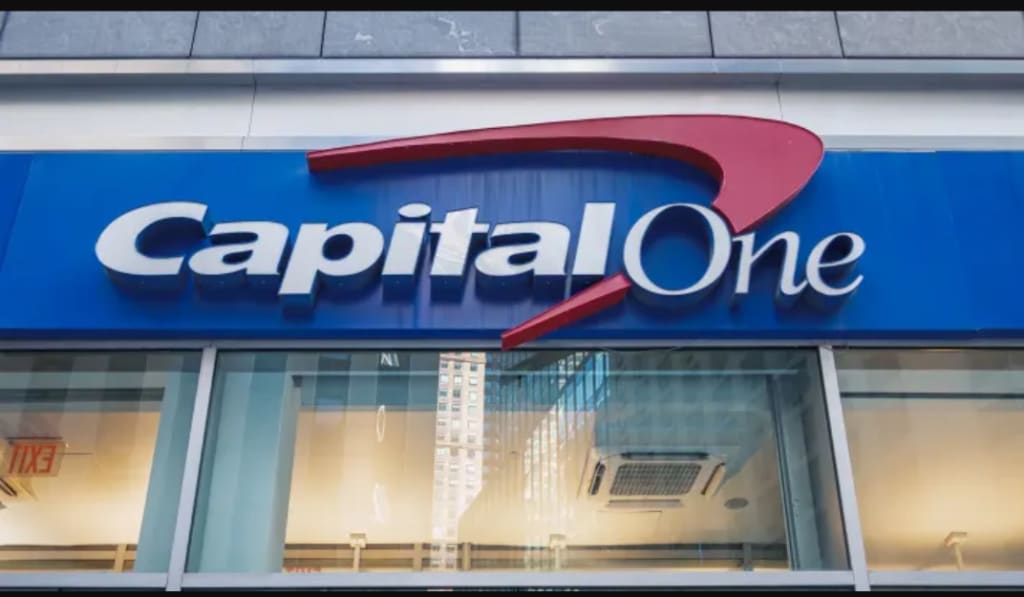
Shares of Capital One and other major banks fell sharply after former President Donald Trump called for a cap on credit card interest rates, sparking investor concern and debate over potential regulatory changes. Trump’s proposal, aimed at making credit more affordable for consumers, rattled the financial sector and led to a broad sell-off in banking stocks.
Why the Market Reacted
The catalyst for the sell-off was Trump’s call for a 10% cap on credit card interest rates for one year starting January 20, 2026. He accused credit card companies of “ripping off” everyday Americans, arguing that rates in the 20%–30% range are excessive and unfair.
Investors reacted immediately. Capital One shares dropped 6%, while Synchrony Financial slid more than 8%. Other banks, including American Express, Citigroup, JPMorgan Chase, and Bank of America, also saw declines. Even payment processors like Visa and Mastercard traded lower, reflecting concerns over overall financial market exposure.
Why Banks Are Nervous
Interest income from credit cards is a major revenue source for banks. Analysts warn that a 10% cap could make lending unprofitable, especially for higher-risk borrowers. This could lead to tighter credit standards, reduced credit limits, or less issuance of new cards, limiting access for many consumers.
While Trump framed the cap as a consumer-friendly move, financial experts warn that restricting rates without compensatory measures could backfire, potentially pushing consumers toward alternative high-interest lending options.
Legal and Practical Challenges
Implementing a credit card rate cap through executive action is highly unlikely. Interest rate limits fall under federal and state usury laws, meaning Congress would likely need to pass legislation to make such a cap enforceable.
For now, the sell-off reflects investor uncertainty rather than a guaranteed policy change. Many lawmakers remain skeptical, making the political feasibility of a 10% cap uncertain.
Broader Market Impact
The banking sell-off also impacted major indexes like the Dow Jones and S&P 500, which showed early weakness. European banks experienced similar pressure as markets reacted to potential regulatory risk globally.
This market turbulence coincides with other financial concerns, including ongoing scrutiny of Federal Reserve policies, adding to investor uncertainty about the broader economic outlook.
Consumer Debate: Help or Harm?
Supporters of the cap argue it could save Americans billions in interest payments and reduce the burden of high credit card debt. Critics warn that banks may reduce rewards programs, raise fees, or limit lending, ultimately harming the consumers the policy aims to protect.
The debate highlights a key tension in financial regulation: balancing consumer protection with the profitability and sustainability of lending institutions.
What Comes Next
For now, the market reaction is largely speculative. Trump’s proposal has stirred volatility, but its implementation faces legal and political hurdles. Investors, policymakers, and consumers will be watching closely to see if Congress or regulatory bodies take action, or if the discussion remains mostly rhetorical.
This episode underscores how political proposals alone can move markets, highlighting the intricate connection between policy, banking, and everyday consumers.
Conclusion
The sudden drop in Capital One and other bank stocks underscores how political rhetoric can have immediate and tangible effects on financial markets. Trump’s call for a 10% credit card interest rate cap has sparked a debate that extends far beyond Wall Street, highlighting the tension between consumer protection and the profitability of lenders. While supporters see the proposal as a way to relieve Americans burdened by high-interest debt, critics warn that banks may respond by tightening credit, reducing rewards, or raising fees, potentially limiting access for everyday borrowers. Legally and practically, implementing such a cap would face significant challenges, requiring congressional approval and careful consideration of market dynamics. For now, the market reaction reflects uncertainty rather than certainty, reminding investors and consumers alike that even proposed policies can ripple through the economy. The debate over credit card rates is likely to continue as lawmakers, financial institutions, and consumers weigh the costs and benefits.
About the Creator
Asad Ali
I'm Asad Ali, a passionate blogger with 3 years of experience creating engaging and informative content across various niches. I specialize in crafting SEO-friendly articles that drive traffic and deliver value to readers.
Ugandan Presidential Candidate Abducted by Military, Opposition Party Says
Uganda is once again at the center of international attention following shocking claims by the opposition that a presidential candidate has been abducted by the military. The incident, which reportedly occurred shortly after national elections, has intensified concerns over political freedom, electoral integrity, and the future of democracy in the East African nation.
By Aqib Hussaina day ago in The Swamp




Comments
There are no comments for this story
Be the first to respond and start the conversation.