
Trump Sues JPMorgan and Jamie Dimon: What Happened and Why It Matters
Former President Trump Takes Legal Action Against JPMorgan Chase and Jamie Dimon After Banking Services Were Restricted

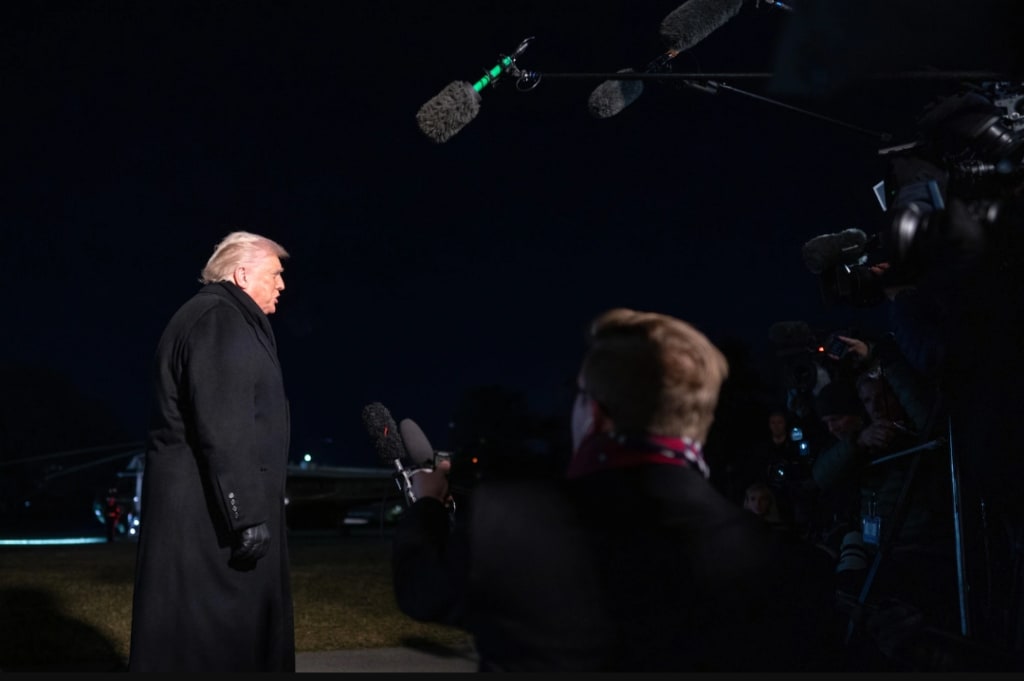
Former President Donald Trump has filed a lawsuit against JPMorgan Chase, its CEO Jamie Dimon, and other associated entities, claiming the banking giant unlawfully cut off access to financial services for him and his businesses. The legal action adds a dramatic chapter to the ongoing tensions between Trump and major financial institutions, and it has sparked conversation — and concern — across political, business, and community circles.
The lawsuit illustrates how disputes over banking access, political influence, and corporate power can ripple far beyond boardrooms, affecting employees, customers, lenders, and entire local economies.
Here’s a clear, community‑focused breakdown of what’s going on, why it matters, and how this case could influence broader debates about corporate responsibilities and political entanglement.
What Happened: Bank Accounts and Relationships Severed
According to court filings, Trump alleges that JPMorgan Chase abruptly severed financial services, including banking access, loans, and credit facilities that his companies relied on. The lawsuit asserts that these actions were taken without proper justification and were driven by political bias against Trump and his viewpoints.
Trump claims the loss of banking access has caused significant financial harm to his business operations, including disruptions to everyday transactions, payroll, and capital management.
In particular, the lawsuit targets:
JPMorgan Chase — the bank providing traditional commercial banking services
Jamie Dimon — the bank’s CEO, named personally in the lawsuit
Other related entities and decisionmakers involved in the banking relationship
The suit alleges breach of contract, discrimination, and bad‑faith actions by the financial institution.
Why This Lawsuit Is Unusual
While businesses sometimes sue banks over financial disputes, it is rare for a former head of state to take legal action against a major Wall Street bank — especially one as large and globally influential as JPMorgan Chase.
There are three aspects that make this case particularly notable:
1. Political Context: The lawsuit explicitly ties actions by the bank to political disagreements with Trump.
2. Business Disruption: Trump asserts that losing access to banking services has had real economic consequences.
3. High‑Profile Defendant: Being named alongside Jamie Dimon — one of the most powerful figures in global finance — gives the case unusual public significance.
These elements elevate the dispute from a routine contractual disagreement to a high‑stakes legal and political confrontation.
JPMorgan’s Perspective
JPMorgan Chase has not publicly provided a detailed defense in court filings, but financial institutions generally argue that they have broad discretion in choosing whom they serve, as long as decisions comply with regulations.
Banks typically cite reasons such as:
Risk management policies
Regulatory compliance
Changes in business strategy
Legal and reputational considerations
Chase has historically managed client relationships based on internal risk assessments, profitability, and compliance with federal financial laws. Whether any of these factors played a role in the decision to pull services from Trump’s entities is a key question in the lawsuit.
What Trump’s Team Is Arguing
In the complaint, Trump’s legal team contends that:
The withdrawal of services was unjustified and discriminatory
The bank violated contractual obligations
The actions caused financial harm to the Trump Organization and related parties
Political animosity played a role in the decisions
The lawsuit seeks financial compensation and potentially injunctive relief — legal orders compelling the bank to restore services or otherwise address the alleged harm.
Trump’s legal filings also spotlight the broader narrative that private institutions should not be allowed to penalize individuals for their political views or affiliations.
The Political and Legal Implications
This lawsuit comes at a time when debates over corporate influence, political bias, and free speech are increasingly prominent. Analysts and commentators from across the political spectrum note that:
If Trump wins, it could encourage similar suits where individuals claim political discrimination by private companies.
If JPMorgan prevails, it may reinforce the idea that private banks can set their own business terms without facing legal consequences tied to politics.
The case could influence how banks think about reputational risk and political exposure when managing high‑profile clients.
For everyday Americans, the implications go beyond Trump’s personal finances. The outcome might shape how businesses interact with politically exposed individuals, and whether legal protections are expanded or limited for customers alleging discrimination.
Community Reaction and Public Debate
Social media and community forums have been buzzing since the lawsuit was announced. Opinions vary widely:
Supporters of Trump argue that major banks should not be allowed to penalize customers for political disagreements.
Critics question whether the lawsuit could open the door to a flood of politically motivated claims.
Financial experts emphasize that banks must remain free to manage risk and compliance, but also account for fairness and contractual commitments.
Some community advocacy groups are using the lawsuit to spark broader conversations about income inequality, economic power, and accountability among large financial institutions.
What’s at Stake for Local Economies
Trump’s businesses operate hotels, golf courses, real estate properties, and other ventures across several states. Loss of banking access can affect:
Payroll operations
Vendor payments
Loan servicing
Small contractors and service providers
When large businesses face banking disputes, ripple effects can impact supporting industries and local workers — which is why communities in New York, Florida, New Jersey, and other states with Trump properties are watching closely.
What Happens Next?
The legal process is just beginning. The case will move through the federal court system, where:
Evidence will be reviewed
Witnesses may be deposed or called
Judges will evaluate legal claims and defenses
Depending on how the case unfolds, it could take months (or longer) to reach trial or settlement.
Public attention is likely to remain high as media outlets, legal analysts, and everyday observers follow developments.
Conclusion
The lawsuit by Donald Trump against JPMorgan Chase and Jamie Dimon is more than a dispute over banking services. It touches on broader themes of corporate accountability, political influence, and financial power in modern America.
While the legal arguments will be hashed out in court, the case already has sparked conversations in living rooms, workplaces, and online communities about the roles that banks, politics, and institutions play in everyday life.
As the story continues to unfold, one thing is clear: the outcome could have implications far beyond the parties involved, shaping how people and institutions interact in a highly polarized era.
About the Creator
Asad Ali
I'm Asad Ali, a passionate blogger with 3 years of experience creating engaging and informative content across various niches. I specialize in crafting SEO-friendly articles that drive traffic and deliver value to readers.
Death Toll in Pakistan Shopping Plaza Fire Rises to 67, Officials Say
A devastating fire at a shopping plaza in Pakistan has claimed at least 67 lives, according to officials, marking one of the deadliest urban fire incidents in recent years. The tragedy has sent shockwaves across the country, raising urgent questions about building safety, emergency preparedness, and regulatory enforcement. As rescue operations concluded, authorities confirmed that dozens of victims were trapped inside the building when the fire spread rapidly, leaving little chance for escape. What Happened? The fire broke out in a multi-story shopping plaza located in a busy commercial area. According to initial reports, flames erupted suddenly and spread quickly through the structure, fueled by flammable materials, blocked exits, and poor ventilation. Eyewitnesses described scenes of panic as shoppers and workers attempted to flee. Thick smoke filled corridors, making visibility nearly impossible. Many people were unable to escape due to locked stairwells, narrow passages, and the absence of proper fire exits. Emergency services were alerted, but by the time firefighters reached the scene, the fire had already engulfed large parts of the building. Rescue Efforts and Challenges Firefighters battled the blaze for several hours. Rescue teams used ladders and heavy equipment to reach upper floors, while ambulances transported the injured to nearby hospitals. However, officials admitted that rescue operations were severely hampered by: Lack of functional fire alarms Absence of emergency staircases Overcrowded interior spaces Vehicles blocking access routes for fire engines Many victims were found unconscious due to smoke inhalation, while others suffered severe burns. Rising Death Toll Initially, authorities reported a lower number of casualties. As search operations continued and debris was cleared, the death toll steadily rose to 67, with officials warning that the number could increase if critically injured victims fail to recover. Hospitals remain overwhelmed, treating dozens of injured survivors. Doctors say many patients are in critical condition, suffering from respiratory damage and extensive burns. Grief and Anger Among Families Outside hospitals and morgues, scenes of grief unfolded as families waited for news of missing loved ones. Many expressed anger and frustration, blaming negligence and poor safety standards for the tragedy. Relatives accused building owners and authorities of ignoring repeated warnings about safety violations. Some survivors claimed there were no visible fire extinguishers or evacuation signs inside the plaza. For many families, the fire has resulted in sudden loss of breadwinners, leaving them facing emotional and financial hardship. Official Response Government officials and local administrators visited the site and hospitals following the incident. Condolences were offered to victims’ families, and promises were made to investigate the cause of the fire thoroughly. Authorities announced: Formation of an inquiry committee Temporary closure of nearby commercial buildings Review of fire safety compliance in similar structures Officials also stated that those found responsible for negligence would face strict legal action. A Pattern of Negligence This tragedy is not an isolated incident. Pakistan has witnessed several deadly fires in commercial buildings over the years. Experts say these disasters often share common causes: Outdated building codes Weak enforcement of safety regulations Unauthorized modifications to buildings Lack of emergency training for staff Despite laws requiring fire safety measures, many buildings operate without compliance, putting lives at risk. Calls for Reform Following the fire, safety experts and civil society groups have renewed calls for urgent reform. They argue that reactive measures after disasters are not enough. Proposed reforms include: Mandatory fire safety inspections Severe penalties for violations Public awareness campaigns Installation of fire alarms and sprinkler systems Regular emergency drills Urban planners stress that protecting human life must take priority over commercial profit. Survivors Share Their Stories Survivors of the blaze have shared harrowing accounts of their escape. One individual described crawling through smoke-filled corridors, while another said they jumped from a lower floor to survive. Many survivors said they were unaware of any emergency procedures, highlighting a lack of basic safety education in public spaces. Their stories have fueled public outrage and intensified demands for accountability. National Reflection The shopping plaza fire has sparked a national conversation about urban safety and governance. Citizens are questioning how such tragedies continue to occur despite previous warnings and loss of life. Social media platforms are filled with messages demanding justice, transparency, and reform. Many believe that without meaningful action, similar disasters are bound to happen again. Conclusion The rise in the death toll to 67 in Pakistan’s shopping plaza fire is a painful reminder of the cost of negligence. Beyond the numbers are human lives—parents, children, workers—lost in a tragedy that many believe could have been prevented. As investigations continue, the country faces a critical moment. Whether this disaster leads to real change or becomes another forgotten headline will depend on accountability, enforcement, and commitment to safety. For now, Pakistan mourns its dead, while families seek justice and hope that no one else will have to suffer such a devastating loss.
By Fiaz Ahmed about 13 hours ago in The Swamp
European Airlines Continue to Avoid Iran and Iraq Despite Airspace Reopening
Despite the formal reopening of Iranian and Iraqi airspace after a brief closure triggered by heightened geopolitical tensions, many European and international airlines are choosing to keep their aircraft far from the skies above these countries. Instead of flying over Iran and Iraq — historic air routes connecting Europe with Asia — carriers are opting for longer paths over Afghanistan and Central Asia to protect passengers and crews. �
By Fiaz Ahmed Brohi7 days ago in The Swamp
Smart phones, Humans and Aliens.
WARNING. I will be tapping into one of your favorite creative tensions: The absurdity of humans worshipping their glowing rectangles as if they were tiny oracles. There’s something deliciously poetic about that contradiction, and it lends itself beautifully to an instructive proviso.
By Novel Allen7 days ago in Poets




Comments
There are no comments for this story
Be the first to respond and start the conversation.