
TikTok Ownership in the U.S.: Who Controls the App You Use Every Day?
A clear, user-friendly breakdown of TikTok’s ownership in the U.S. — who’s really in charge and why it matters

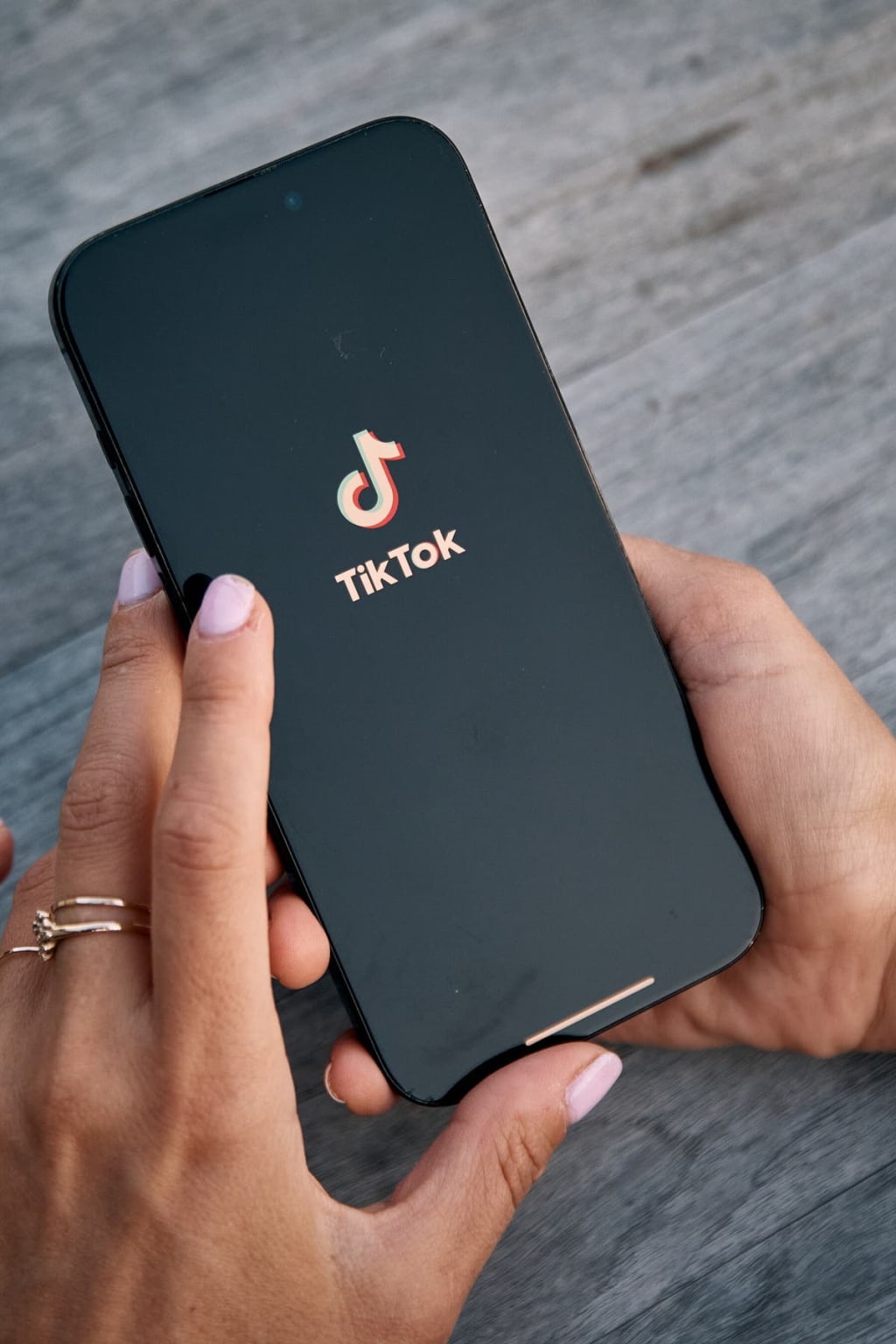
If you’re scrolling TikTok — for laughs, dance challenges, news clips, or how‑tos — you might have wondered: Who actually owns TikTok in the United States? With all the headlines about data privacy, government scrutiny, and national security concerns, the question matters not just for tech experts but for everyday users, parents, creators, and communities across the country.
Let’s break it down in a way that’s easy to follow — no jargon, no guesswork.
How TikTok Became a Global Phenomenon
TikTok’s story didn’t start in the U.S. Instead, it began in China. The app was created by a Chinese tech company called ByteDance, founded in 2012 by Zhang Yiming. ByteDance originally launched a version of the app called Douyin in China. The global version, TikTok, grew rapidly — and after ByteDance acquired a short‑video app called Musical.ly in 2018, it merged the two platforms and supercharged TikTok’s popularity worldwide.
In a few short years, what was once considered a niche social app became a staple for entertainment and cultural trends, attracting hundreds of millions of users in the U.S. alone.
So — Who Owns TikTok in the U.S.?
The straightforward answer: ByteDance still owns TikTok.
Even in the United States, the app’s ownership ultimately traces back to ByteDance, which is incorporated in China. TikTok USA operates as a subsidiary — meaning it’s a regional branch of a larger company — but ByteDance remains the parent and majority owner.
That ownership structure has drawn scrutiny in Washington and beyond, especially given concerns about data access, foreign influence, and privacy protections.
Why TikTok’s Ownership Became a Big Deal
The heart of the controversy isn’t simply “a Chinese company owns this app.” It’s about data and influence. TikTok collects and uses data — like many social apps — to personalize user experiences and show content recommendations. But critics worry that because ByteDance is based in China, the Chinese government might gain access to U.S. TikTok user data under Chinese law.
TikTok has repeatedly denied any such access, and the company has taken steps to reassure users and governments, such as:
Storing U.S. user data on servers located in the United States
Limiting internal access to that data under strict policies
Partnering with third‑party firms to audit security practices
These moves are meant to show that even though ByteDance owns TikTok, U.S. data remains protected under American safeguards — a key distinction for many users and lawmakers.
Efforts to Change Ownership
There have been several attempts to change TikTok’s ownership structure in the U.S., especially during the Trump administration. One idea floated was the creation of something called “TikTok Global” — a newly structured entity that would shift significant ownership to U.S. investors and partners.
Under that plan:
American tech companies and investors would hold stakes
ByteDance would retain a share but with reduced control
U.S. data management and governance would be prioritized
Though a TikTok Global deal was widely discussed, it never became finalized. ByteDance remained the main owner, and TikTok continued operating under the existing corporate structure.
Lawmakers and Regulatory Pressure
TikTok’s ownership has made it a frequent subject of political debate. U.S. lawmakers from both parties have raised questions such as:
Should a foreign company own a platform used by tens of millions of Americans?
Can the U.S. trust that user data stays protected?
Does TikTok’s ownership affect national security?
These concerns have translated into hearings, legislation proposals, and increased oversight by federal agencies. Some lawmakers advocate for strict regulation, while others argue that popular apps shouldn’t be penalized simply for their place of origin.
As of now, no federal law has forced TikTok to be sold or divested, but pressure continues — and lawmakers could still act in the future.
TikTok’s Current U.S. Operations
Practically speaking, how does TikTok operate in the U.S. today?
TikTok has a U.S. subsidiary responsible for content moderation, advertising policies, and compliance with American laws.
U.S. TikTok user data is stored domestically — not exported to China.
ByteDance makes major strategic decisions, but U.S. management handles day‑to‑day policy and operations.
For users, this means that while ByteDance owns the platform, TikTok’s operational structure reflects efforts to align with U.S. regulatory standards.
What This Means for You
Ownership isn’t just a corporate detail — it affects how the app works and how your information is handled. Here are a few practical takeaways for daily users in the U.S.:
1. Data Storage Matters
TikTok stores U.S. data domestically, which offers protections under U.S. privacy laws rather than foreign ones.
2. Decisions Are Still Global
Big strategic moves — like product direction, monetization, or algorithm design — are ultimately influenced by the parent company.
3. Security Audits Help Build Trust
Third‑party audits and security assessments are part of TikTok’s efforts to show transparency about how user data is protected.
4. Legal Environment Could Change
If U.S. laws change or politicians take action, ownership and operational structures might evolve.
Why the Debate Continues
The discussion around TikTok’s ownership isn’t just about corporate structure — it’s tied up in broader conversations about globalization, technology, national security, and digital culture.
Tech historians point out that this moment reflects a larger shift in how societies think about data and platforms:
Who owns our digital lives?
What responsibilities do global companies have in local communities?
How do we balance innovation with privacy and security?
TikTok sits at the crossroads of these questions, making it more than just an app — it’s a symbol of how digital life is reshaping society.
Final Thoughts
So, who owns TikTok in the U.S. now? The simple answer is:
👉 ByteDance, a Chinese tech company, remains the ultimate owner of TikTok globally and in the U.S.
But underneath that simple answer lies a complex mix of corporate structure, legal safeguards, political debate, and community concern. Whether you use TikTok for entertainment, business, or creative expression, understanding who controls the platform gives you better insight into how digital services navigate ownership, influence, and trust.
As the regulatory landscape evolves and public awareness grows, ownership and governance of platforms like TikTok will remain a key part of national conversation — one that affects users, communities, and the future of digital connectivity itself.
About the Creator
Asad Ali
I'm Asad Ali, a passionate blogger with 3 years of experience creating engaging and informative content across various niches. I specialize in crafting SEO-friendly articles that drive traffic and deliver value to readers.
Cardinal Parolin Expresses Deep Concern Over ‘Endless Tragedy’ in Iran
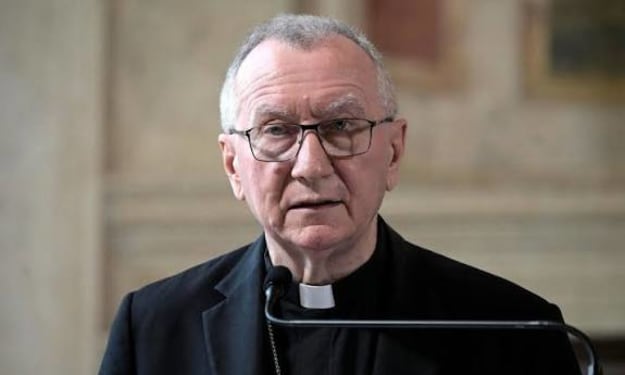
Cardinal Pietro Parolin, the Vatican’s Secretary of State and one of the most senior figures in the Roman Catholic Church, has publicly voiced profound concern over the ongoing crisis in Iran, describing it as an “endless tragedy” marked by tragic loss of life and growing humanitarian suffering. Speaking to journalists outside a Roman church on January 17, 2026, Parolin lamented the brutality faced by Iranian civilians, especially amid the country’s largest and deadliest demonstrations in decades. � Vatican News A Humanitarian Outcry from the Vatican Cardinal Parolin’s statement reflects the Vatican’s growing unease over the rising toll of civilian deaths and injuries in Iran. The protests began in late December 2025 over steep living costs and widespread economic frustration, quickly spiraling into nationwide demonstrations against political repression. By mid-January 2026, human rights groups reported that at least 2,500 people had been killed, with more than 18,000 arrested and widespread communication blackouts imposed by the government to suppress information. � AP News In this context, Parolin expressed shock that the Iranian government would direct force against its own people. “I ask myself how it is possible to rage against one’s own people, that there have been so many deaths — it is an endless tragedy,” he said, emphasizing the scale of human suffering. His remarks shifted the focus away from political posturing to the humanitarian toll, addressing questions of dignity, life, and justice that have concerned the Catholic Church for centuries. � Vatican News Reflecting the Church’s Call for Peace The Vatican has long positioned itself as a voice for peace and humanitarian compassion in global conflicts. Parolin’s message follows repeated calls from Pope Leo and other senior Church leaders to prioritize dialogue over violence, restraint over repression. In a recent Angelus address, the Pope specifically prayed for peace in Iran and Syria, condemning persistent tensions that have led to “the deaths of many people.” � Vatican News For the Vatican, the call is not just political — it is moral and spiritual. Cardinal Parolin’s remarks evoke a broader plea for compassion that aligns with Catholic teaching about the sanctity of human life. The Church’s emphasis on non-violence and respect for human dignity underpins its public stance, pushing for diplomatic solutions and pathways to reconciliation rather than escalation. What Is Happening on the Ground in Iran The protests that have sparked international alarm were triggered by economic hardship — including rising prices of food and fuel — but have since broadened into wider demands for political reform and freedom. Cities across Iran, from Tehran to smaller provincial centers, have seen sustained demonstrations, many of which have been met with lethal force by security forces. International human rights groups have reported that hundreds of protesters have been killed and thousands arrested in the past few weeks alone, making these events among the most violent crackdowns the country has experienced since the 2009 or 2022 uprisings. � Reuters +1 In this context, Parolin’s “endless tragedy” comment underscores not only the immediate human toll but also the broader implications: a population caught between aspirations for justice and a security apparatus determined to maintain strict control. For the Vatican, this crisis is ultimately about safeguarding human dignity amidst political tumult. A Call for Peace and Reconciliation Despite the grim backdrop, Cardinal Parolin expressed hope that a peaceful solution could still be found. The Vatican’s diplomatic tradition emphasizes multilateral dialogue and engagement as essential tools in resolving conflicts and preventing further bloodshed. Parolin’s appeal echoes the Church’s consistent assertion that diplomacy and moral engagement should prevail over force. In his comments, he implicitly rejected violence as a means of resolving political differences, advocating instead for compassion and cooperation among all parties. Broader Global Reverberations The situation in Iran has attracted widespread international attention, with world powers and human rights bodies urging restraint and condemning excessive force. Reports indicate that global institutions, including the United Nations, have called for respect for fundamental freedoms and basic human rights. � Reuters The Vatican’s intervention, through figures like Cardinal Parolin, adds a unique and morally rooted perspective, prioritizing human dignity above geopolitical interests. This stance reinforces the Holy See’s role not only as a religious leader but as a global moral voice in turbulent times. Conclusion: Beyond Politics to Humanity Cardinal Parolin’s deep concern over the “endless tragedy” in Iran resonates far beyond the corridors of the Vatican. His remarks signal a broader call for humanity, justice, and peace that transcends national borders and political agendas. In a world where conflicts too often reduce people to statistics, the Vatican’s emphasis on every individual life serves as a stark reminder of the human cost of unrest. As the crisis in Iran continues to unfold, calls for restraint, dialogue, and compassion grow louder — not just from religious leaders like Parolin, but from citizens and institutions around the world seeking enduring peace and respect for human dignity.
By Fiaz Ahmed Brohi5 days ago in The Swamp
Ivan Raiklin and the New Citizen-Operative: Where Populism Meets Platform
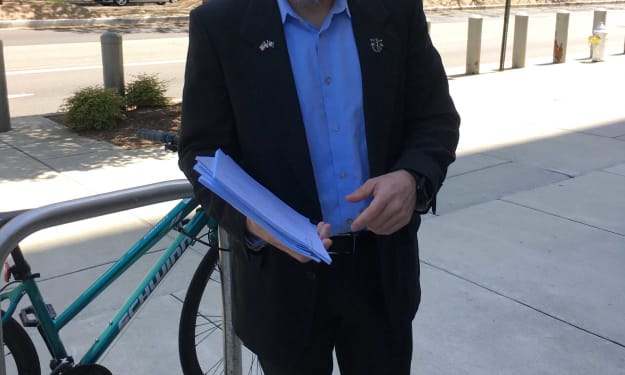
The modern political figure no longer rises through linear hierarchies. They emerge instead from the chaos of social media, orchestrating influence through decentralized tribes rather than formal institutions. Ivan Raiklin embodies this transformation. Once a U.S. Army Green Beret turned constitutional activist and online strategist, Raiklin represents a deeper systemic change: the professionalization of digital populism as both political and economic enterprise.
By Trend Vantagea day ago in The Swamp

Comments
There are no comments for this story
Be the first to respond and start the conversation.