
European Airlines Continue to Avoid Iran and Iraq Despite Airspace Reopening
Even after Tehran reopens skies, European carriers stick to longer, safer routes amid ongoing regional tensions"

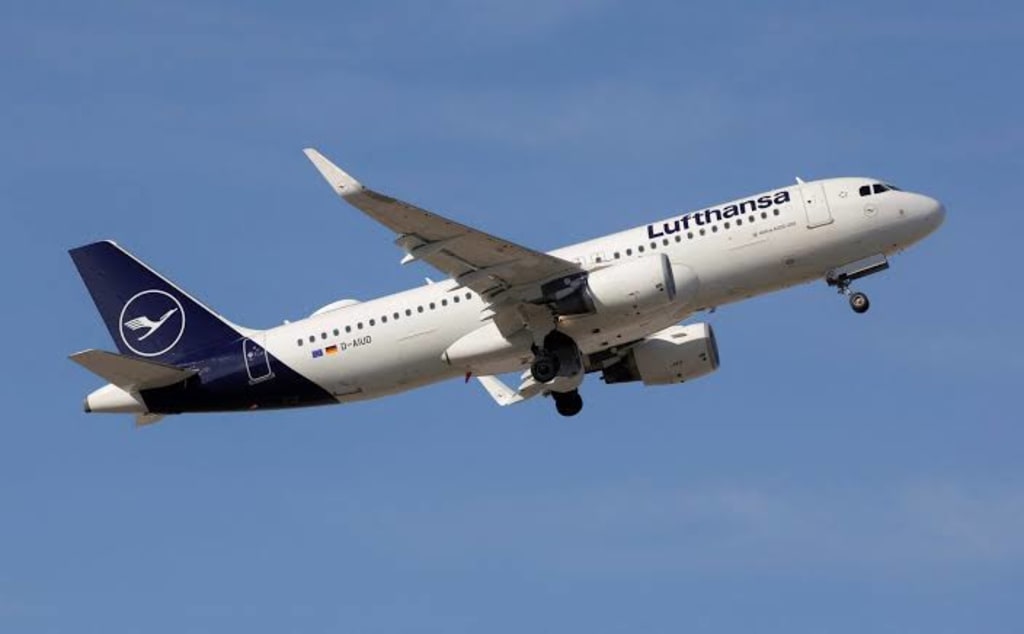
Despite the formal reopening of Iranian and Iraqi airspace after a brief closure triggered by heightened geopolitical tensions, many European and international airlines are choosing to keep their aircraft far from the skies above these countries. Instead of flying over Iran and Iraq — historic air routes connecting Europe with Asia — carriers are opting for longer paths over Afghanistan and Central Asia to protect passengers and crews. �
Reuters
This cautious approach reflects broader industry concerns about safety in a region fraught with instability. For decades, the Middle Eastern airspace has been a key corridor for flights between Europe, the Middle East, South Asia and beyond, providing shorter and cost‑efficient connections. However, the recent geopolitical turbulence — especially rising tensions involving Iran, the United States, and neighboring states — has fundamentally altered airlines’ risk assessments. �
The Business Standard
A Shift Driven by Safety and Risk Management
In early January 2026, Iran briefly closed its airspace amid fears of military escalation after months of political unrest and international pressure. Although Tehran reopened the airspace after several hours, the disruption sent shockwaves through the aviation sector. Flight tracking data showed major carriers such as Wizz Air, Lufthansa, British Airways, KLM, Finnair and even non‑European lines like Singapore Airlines continuing to use alternative routes instead of flying over Iran or Iraq. �
The Business Standard
These new routes often take aircraft over Afghanistan and Central Asia, regions that some airlines had previously avoided but now see as a comparatively more stable alternative. While these diversions increase flight times and fuel consumption, airlines argue the added distance is an acceptable trade‑off for enhanced safety. Routes that bypass Iranian and Iraqi skies also sometimes require refueling stops in Mediterranean hubs like Cyprus or Greece, adding logistical complexity and cost. �
The Business Standard
Germany has even issued official guidance cautioning its carriers against using Iranian airspace for the foreseeable future, underscoring the high level of concern among European aviation authorities. �
The Business Standard
Why Airlines Are Still Avoiding the Region
Several factors explain why airlines remain hesitant despite the airspace reopening:
1. Ongoing Geopolitical Uncertainty
While Iran may have lifted its temporary closure, the broader situation in the Middle East remains volatile. Conflicts, protests, and diplomatic tensions can quickly escalate, leading to abrupt restrictions or bans on civilian airspace. Airlines, which operate on finely tuned schedules and narrow profit margins, are acutely aware that sudden changes can cause chaos. �
The Economic Times
2. Passenger Perception and Confidence
Safety reassurance is not merely a technical calculation. Airlines also consider passenger perception. Travellers are less likely to book flights that cross regions perceived as dangerous, even if risk assessments suggest acceptable levels. By avoiding Iranian and Iraqi airspace, carriers send a message of prioritizing passenger safety, which matters greatly in today’s competitive aviation market.
3. Regulatory and Advisory Warnings
Aviation authorities, including national regulators and international organizations like the European Union Aviation Safety Agency (EASA), have issued advisories highlighting high‑risk zones in the region. Even as airspace officially reopens, such advisories recommend that airlines proceed with caution or restrict certain flight levels, reinforcing airline decisions to reroute. �
GTP Headlines
4. Economic and Operational Costs
Rerouting adds travel time, increases fuel consumption, and often necessitates unscheduled stops. These operational costs ultimately affect airlines’ bottom lines — and sometimes ticket prices — making the decision to avoid certain airspace a challenging but necessary economic choice. However, many carriers deem these additional costs far preferable to the potential risks of flying through a volatile area.
Impacts on Global Air Travel
The avoidance of Iranian and Iraqi airspace is not just a regional issue — it has global implications. Flights between Europe and Asia, particularly those heading to India, Southeast Asia, and Australasia, have begun to reflect alternative flight paths. Although the impact varies by carrier and destination, an overall trend is clear: airlines are planning for long‑term shifts in routing strategies. �
The Business Standard
Passengers may notice longer flight durations and slight increases in airfare as airlines adjust operational logistics. Some airlines have even canceled flights entirely when safe routing alternatives proved too expensive or logistically complicated. For example, British Airways temporarily canceled flights to certain Middle Eastern destinations due to these challenges. �
The Business Standard
Looking Ahead
For now, the aviation industry appears united in its cautious approach. Even as Iranian and Iraqi airspace remains technically open, many carriers say they will continue avoiding the skies above these nations until regional stability improves. This reflects an aviation culture increasingly shaped by risk awareness post‑MH17, when a passenger jet was tragically shot down over conflict airspace in 2014 — a stark reminder that geopolitical tension can have catastrophic consequences for civil aviation.
Whether this avoidance becomes a long‑term norm or reverses as tensions ease remains to be seen. Airlines, regulators and passengers alike will be watching closely, balancing safety, economics, and connectivity in a world where air travel remains deeply intertwined with global politics. �
The Business Standard
About the Creator
Fiaz Ahmed Brohi
I am a passionate writer with a love for exploring and creating content on trending topics. Always curious, always sharing stories that engage and inspire.
Keep reading
More stories from Fiaz Ahmed Brohi and writers in The Swamp and other communities.
India Builds Rockets and Warplanes — So Why Not Passenger Jets?
India has earned global recognition for its accomplishments in defense and space technology. From sending satellites into orbit with the Indian Space Research Organisation (ISRO) to producing advanced fighter jets like the Tejas, the nation has proven that it can engineer highly sophisticated and high-stakes technology. Yet, when it comes to commercial aviation — particularly the production of large passenger jets — India remains conspicuously absent. This gap raises a pressing question: if India can build rockets and warplanes, why not passenger aircraft?
By Fiaz Ahmed Brohia day ago in The Swamp
Many Fiery Remarks, Little Clarity on What’s Next at Security Council Meeting on Iran
When the United Nations Security Council met on January 15, 2026, to discuss the escalating crisis in Iran, it was anything but calm. The chamber was filled with passionate speeches, heated accusations, and urgent warnings, yet by the end of the session, one thing was clear: there was very little clarity on what comes next.
By Aqib Hussainabout 21 hours ago in The Swamp




Comments
There are no comments for this story
Be the first to respond and start the conversation.