
Trump Says US ‘Armada’ Heading to Middle East as Iran Death Toll Put Above 5,000
Escalating rhetoric and military posturing fuel global alarm amid reports of mounting casualties

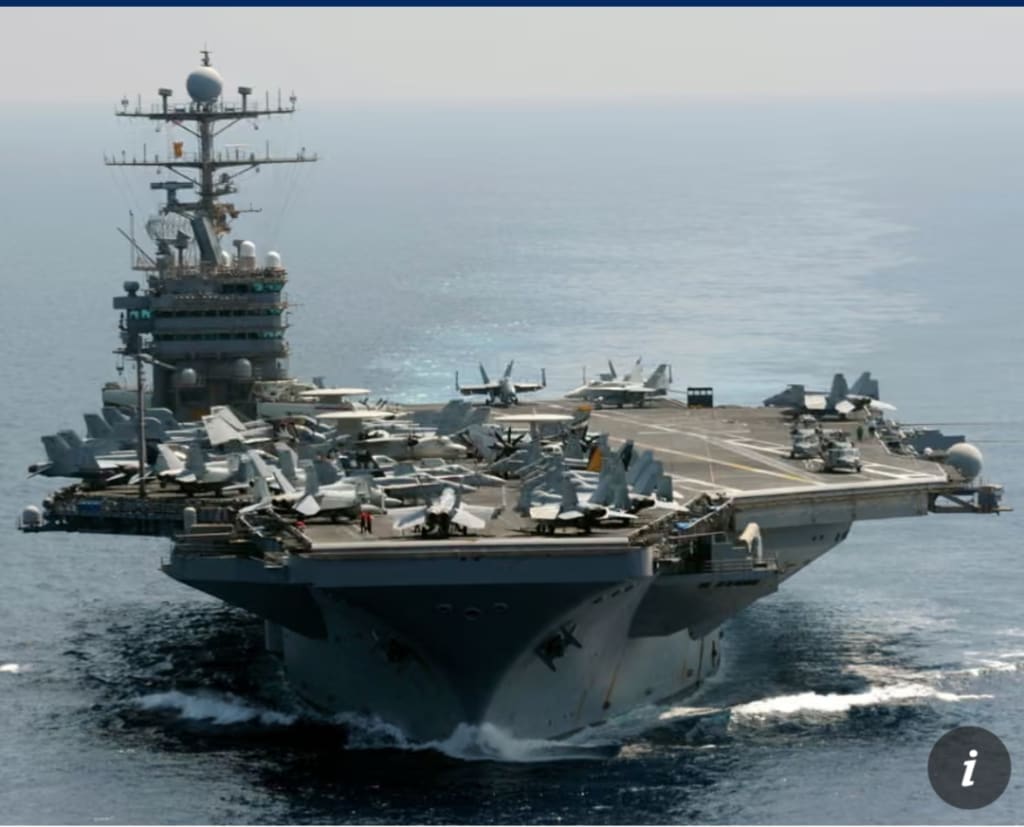
Former US president Donald Trump has claimed that a US “armada” is heading toward the Middle East, as reports place Iran’s death toll above 5,000, marking a dramatic escalation in an already volatile regional crisis. The remarks, delivered amid intensifying hostilities and humanitarian concerns, have sent shockwaves through global capitals, raising fears of wider conflict and deeper instability across the Middle East.
Trump’s statement, widely circulated in international media, underscores a sharp turn in rhetoric that suggests a show of force aimed at deterring further escalation. While official details remain limited, the use of the term “armada” has been interpreted as signaling a significant naval presence, potentially involving aircraft carriers, destroyers, and support vessels positioned to project power and reassure US allies in the region.
Rising Tensions and Human Cost
The backdrop to Trump’s comments is a rapidly deteriorating humanitarian situation in Iran. Independent reports and regional sources suggest that the death toll linked to ongoing violence has surpassed 5,000, with thousands more injured or displaced. While figures remain difficult to verify amid restricted access and conflicting accounts, the scale of casualties has heightened international concern.
Civilian infrastructure, including hospitals and residential areas, has reportedly been strained by the intensity of the conflict. Aid agencies warn that shortages of medical supplies and disruptions to essential services could worsen conditions, particularly for vulnerable populations.
Strategic Signaling by Washington
Trump’s remarks are widely seen as strategic signaling rather than a formal policy announcement. Analysts note that deploying or highlighting naval assets serves multiple purposes: deterring adversaries, reassuring partners, and shaping domestic and international narratives.
A strong US naval presence in the Middle East has historically been used to safeguard shipping lanes, protect energy infrastructure, and respond rapidly to emerging threats. In the current context, the message appears aimed at Iran and its regional allies, signaling that Washington retains both the capability and willingness to act if red lines are crossed.
However, critics caution that such rhetoric risks miscalculation. In a region already crowded with military assets from multiple powers, heightened posturing can increase the chances of unintended incidents.
Regional and Global Reactions
Reactions across the Middle East have been mixed. US allies have called for restraint while emphasizing the need to protect civilians and prevent further escalation. Some regional governments view a stronger US presence as a stabilizing factor, while others warn that it could inflame tensions and provoke retaliatory actions.
Global powers, including European and Asian nations, have urged all sides to prioritize diplomacy. Markets have also responded nervously, with energy prices showing volatility amid concerns about potential disruptions to oil and gas supplies through critical chokepoints.
Iran’s Position and Internal Pressures
Iranian officials have rejected what they describe as external intimidation, framing the crisis as a matter of national sovereignty. At the same time, the reported death toll has intensified internal pressures, with families of victims and civil society groups demanding accountability and humanitarian access.
The scale of casualties adds urgency to calls for ceasefires and international mediation. Observers note that prolonged conflict risks destabilizing not only Iran but neighboring states, potentially triggering refugee flows and economic shocks.
The Domestic Political Dimension
Trump’s comments also carry a domestic political dimension. Known for his assertive foreign policy rhetoric, he has often emphasized strength and deterrence as cornerstones of US leadership. The statement resonates with supporters who favor a hardline approach, while opponents argue that inflammatory language could undermine diplomatic efforts and entangle the US in another protracted conflict.
The timing of the remarks has fueled debate over the role of political messaging in shaping foreign policy outcomes, particularly during periods of heightened global uncertainty.
Risks of Escalation
Security analysts warn that the convergence of military deployments, inflammatory rhetoric, and rising casualties creates a dangerous environment. Even limited clashes could spiral into broader confrontation involving regional actors and proxy forces.
Maritime incidents, cyber operations, or misinterpreted maneuvers could trigger rapid escalation. In this context, clear communication channels and confidence-building measures are seen as essential to preventing unintended conflict.
Calls for Diplomacy and Humanitarian Access
Amid the rising tensions, international organizations and humanitarian groups are calling for immediate steps to protect civilians and allow aid access. Diplomatic engagement, they argue, remains the only viable path to de-escalation.
Efforts are underway behind the scenes to explore mediation options, though progress has been slow. The challenge lies in balancing security concerns with humanitarian imperatives, particularly as casualty figures continue to climb.
A Critical Juncture
Trump’s claim that a US “armada” is heading to the Middle East, coupled with reports of more than 5,000 deaths in Iran, marks a critical juncture in the unfolding crisis. The coming days will be crucial in determining whether heightened posturing gives way to diplomacy—or pushes the region closer to a wider conflict.
As the world watches anxiously, the stakes extend far beyond regional politics, touching global security, energy markets, and the fragile balance of an already turbulent international order.
About the Creator
Keep reading
More stories from Salaar Jamali and writers in The Swamp and other communities.
Thai Exports in 2025 Set New Record at $339.6 Billion, Marking 12.9% Growth
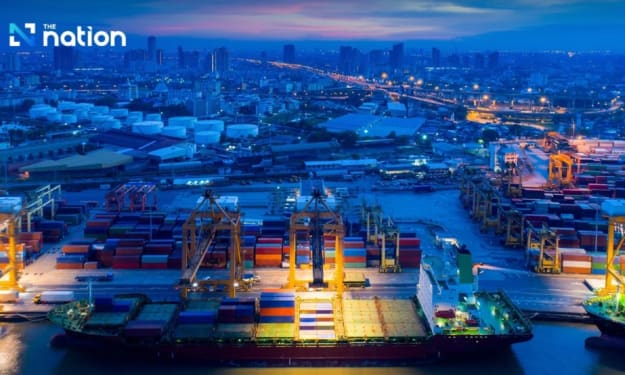
Thailand’s exports surged to a historic high of $339.6 billion in 2025, posting a robust 12.9% year-on-year growth and underscoring the country’s successful rebound in global trade. The milestone reflects a broad-based recovery across manufacturing, agriculture, and services-linked exports, supported by resilient global demand, supply-chain realignment, and proactive trade policy.
By Salaar Jamali2 days ago in The Swamp
High Stakes but Low Expectations for Ukraine Talks with Russia and the United States
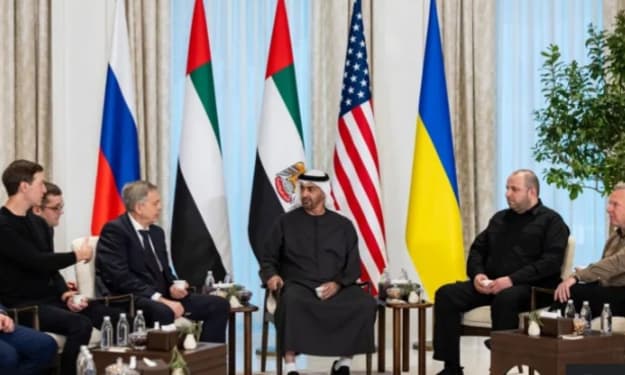
As the war in Ukraine drags into another grueling phase, renewed diplomatic efforts involving Ukraine, Russia, and the United States carry enormous geopolitical stakes—but very modest expectations. After years of intense fighting, economic disruption, and human suffering, any dialogue is seen as valuable. Yet few observers believe that current talks will lead to a meaningful breakthrough or an end to the conflict in the near future.
By Ayesha Lashari2 days ago in The Swamp
France and Rafale Lose €3.2 Billion Deal After Last-Minute U-Turn
A sudden reversal shakes Europe’s defense industry and raises questions about trust, geopolitics, and competition in global arms markets France’s defense industry faced a sharp setback after a €3.2 billion Rafale fighter jet deal collapsed at the final stage, following a dramatic last-minute reversal by the purchasing country. The decision not only hit French defense manufacturer Dassault Aviation, but also sent ripples through Europe’s broader aerospace and security sector. The Rafale jet, long promoted as a symbol of French technological independence and military excellence, has enjoyed strong export success in recent years. However, this sudden U-turn highlights how defense contracts are rarely decided by technology alone. Politics, alliances, and shifting strategic interests often play a decisive role. What Was the Rafale Deal About? The now-cancelled agreement was expected to involve the sale of multiple Rafale multirole fighter jets, along with training, maintenance, weapons systems, and long-term support packages. Together, these elements pushed the deal’s value to €3.2 billion, making it one of France’s most significant defense exports in recent memory. For France, the contract promised: Thousands of high-skill jobs Long-term industrial activity Stronger diplomatic and military ties with the buyer For the purchasing country, the Rafale offered a combat-proven aircraft capable of air superiority, ground attack, reconnaissance, and nuclear deterrence missions. Yet despite months—or even years—of negotiations, the deal unraveled at the very end. Why the Last-Minute U-Turn Happened Officials have not publicly disclosed all the reasons behind the sudden reversal, but defense analysts point to several likely factors. 1. Political Pressure and Alliances Defense purchases often reflect geopolitical alignment. A country may face pressure from powerful allies to buy equipment from specific suppliers, especially when security partnerships or military aid are involved. 2. Competition from Rival Manufacturers The Rafale competes with major platforms such as: The US-made F-35 Eurofighter Typhoon Advanced systems from emerging defense exporters In some cases, rival offers include political incentives, financing options, or security guarantees that go beyond the aircraft itself. 3. Budget and Economic Concerns A change in government, economic outlook, or military priorities can force decision-makers to reassess major spending commitments, even at the last moment. Impact on France and Dassault Aviation The collapse of the €3.2 billion deal is a financial and reputational blow. Economic Consequences Loss of expected revenue Delays or adjustments in production schedules Pressure on subcontractors across France and Europe France’s defense industry supports tens of thousands of jobs, and major export contracts help keep unit costs lower for France’s own military. Strategic Setback France has long positioned the Rafale as a sovereign alternative to US defense systems. Losing such a high-profile deal raises concerns about Europe’s ability to compete independently in global arms markets. What This Means for the Global Arms Market The failed Rafale deal illustrates how volatile and political defense sales have become. Trust and Reliability Issues When a deal collapses at the final stage, it can: Make exporters more cautious Increase demands for guarantees Complicate future negotiations Rising Geopolitical Influence Arms sales are increasingly used as tools of diplomacy. Countries are not just buying aircraft—they are choosing long-term strategic partners. Growing Competition Defense manufacturers must now offer: Technology transfers Local production Training and industrial partnerships not just advanced weapons France’s Response and Next Steps French officials have sought to downplay the long-term damage, pointing to Rafale’s continued success in other regions. In recent years, the jet has secured major contracts in Asia, the Middle East, and Europe. France is expected to: Pursue new export opportunities Strengthen industrial cooperation with allies Continue upgrading Rafale systems to stay competitive Dassault Aviation has also emphasized that interest in the Rafale remains strong, despite the setback. A Broader Lesson for Europe Beyond France, the failed deal raises questions for Europe’s defense strategy as a whole. If European manufacturers cannot rely on political unity or stable partnerships, they may struggle to compete against larger defense exporters backed by massive military alliances. The episode underscores the need for: Stronger European defense cooperation Clearer export strategies Long-term political consistency Conclusion: More Than Just a Lost Contract The loss of the €3.2 billion Rafale deal is not simply a commercial disappointment. It is a reminder that modern defense agreements sit at the crossroads of politics, economics, and security. For France, the challenge now is to turn this setback into a lesson, reinforcing its role as a reliable defense partner while navigating an increasingly complex global landscape. As defense markets grow more competitive and politicized, even the most advanced aircraft can fall victim to forces far beyond the runway.
By Fiaz Ahmed about 13 hours ago in The Swamp


Comments
There are no comments for this story
Be the first to respond and start the conversation.