
Trump’s Tough Stance on Iran Nuclear Talks: A Turning Point in U.S. Foreign Policy
How Former President Donald Trump’s Withdrawal from the Iran Deal Reshaped Global Diplomacy

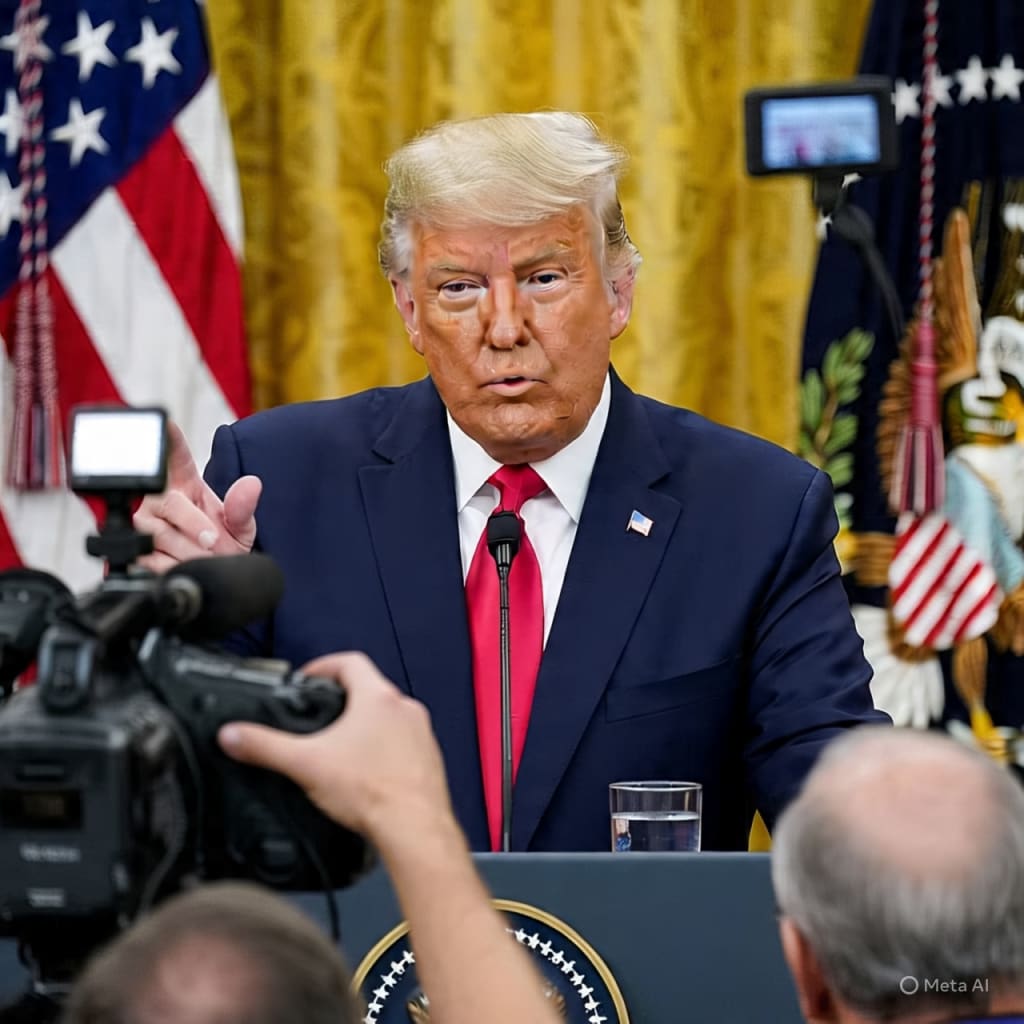
Trump’s Tough Stance on Iran Nuclear Talks: A Turning Point in U.S. Foreign Policy
During his presidency, Donald Trump made several bold decisions that shifted the direction of U.S. foreign policy. One of the most controversial was his approach to Iran’s nuclear program. In May 2018, Trump announced that the United States was officially withdrawing from the Joint Comprehensive Plan of Action (JCPOA), commonly known as the Iran Nuclear Deal. This move shocked many world leaders and sparked international debate.
The Iran Deal was initially signed in 2015 during the Obama administration. It aimed to prevent Iran from developing nuclear weapons by limiting its nuclear activities and allowing international inspections. In return, economic sanctions on Iran were lifted. Supporters of the deal believed it was the best path to peace, while critics claimed it gave Iran too much freedom and failed to address other threats, like missile development and regional influence.
Trump strongly opposed the JCPOA from the beginning of his presidential campaign. He labeled it as a "disaster" and "one-sided," arguing that it benefited Iran far more than it protected U.S. interests. His administration believed that Iran had not changed its behavior despite receiving economic relief. After leaving the agreement, Trump reimposed severe sanctions on Iran, targeting its oil exports and banking sector. This strategy was called the “maximum pressure” campaign.
According to Trump, the goal was to bring Iran back to the negotiating table and secure a better deal—one that would permanently prevent Iran from building nuclear weapons and also limit its missile program and regional activities. However, Iran refused to renegotiate, and tensions between the two countries escalated. In 2020, the U.S. assassination of top Iranian General Qassem Soleimani further strained relations.
Critics of Trump’s decision argue that exiting the deal made things worse. They believe the withdrawal weakened U.S. credibility on the global stage and allowed Iran to resume nuclear activities without restrictions. Some analysts say that Iran began enriching uranium at higher levels after the U.S. left the deal, bringing it closer to developing a nuclear weapon.
On the other hand, Trump supporters argue that the Iran Deal was never effective. They claim the original agreement had sunset clauses, which meant restrictions on Iran’s nuclear program would eventually expire. They also point out that Iran continued to support armed groups in the region even while under the deal, suggesting it was not committed to peace.
The international reaction to Trump’s move was mixed. European allies like France, Germany, and the UK tried to keep the agreement alive, urging Iran to stick to its commitments. China and Russia, also signatories of the deal, criticized the U.S. withdrawal. However, some Gulf countries, such as Saudi Arabia and Israel, supported Trump’s tougher approach, as they see Iran as a major threat to regional stability.
After Trump left office in 2021, the Biden administration expressed interest in rejoining the JCPOA, but with some adjustments. Talks to revive the deal have been slow and difficult. Trust between the U.S. and Iran remains low, and the political environment in both countries has changed. Iran now demands guarantees that the U.S. won’t pull out again in the future, while the U.S. wants stricter controls.
The legacy of Trump’s actions on the Iran deal is still being debated. Some see it as a necessary step to challenge a flawed agreement, while others see it as a missed opportunity for peace. What’s clear is that Trump’s approach reshaped the way the U.S. deals with international threats. It showed a preference for pressure over compromise and highlighted a shift in American diplomacy toward unilateral action.
In today’s world, where nuclear threats are growing and alliances are shifting, the choices leaders make can have lasting effects. Trump’s withdrawal from the Iran Nuclear Deal is a key moment in recent history that continues to influence global politics and security.
Conclusion
Donald Trump’s withdrawal from the Iran Nuclear Deal marked a major turning point in U.S. foreign policy. Whether seen as a bold correction or a dangerous gamble, the move has left a lasting impact on international relations. As discussions about Iran’s nuclear program continue, the world still feels the effects of Trump’s decision, making it a subject that remains deeply relevant today.
About the Creator
Saad
I’m Saad. I’m a passionate writer who loves exploring trending news topics, sharing insights, and keeping readers updated on what’s happening around the world.
“Gaza Is Our Show”: U.S. Pushes Its Plan Over Netanyahu’s Objections
The phrase “Gaza is our show” has quietly become one of the most revealing summaries of Washington’s posture in the ongoing Gaza crisis. Behind closed doors and through carefully calibrated public signals, the United States has been pushing its own plan for Gaza’s future—often in direct conflict with the objections of Israeli Prime Minister Benjamin Netanyahu. This growing divergence highlights not only tensions within one of the world’s most important alliances, but also a shift in how the U.S. views its role as the ultimate power broker in the Middle East.
By Aqib Hussain2 days ago in The Swamp
How, Too
Many people wonder how, too. You are not alone, and I am an expert. I will teach you how, too! First, you need to remit a small application fee and fill out an application describing the nature of your financial situation and how often payments will be made, as this will have great bearing on how well I teach you how, too.
By Harper Lewis3 days ago in Fiction



Comments
There are no comments for this story
Be the first to respond and start the conversation.