
“Gaza Is Our Show”: U.S. Pushes Its Plan Over Netanyahu’s Objections
How Washington’s Gaza strategy is colliding with Israeli leadership, reshaping alliances, and redefining power in the Middle East
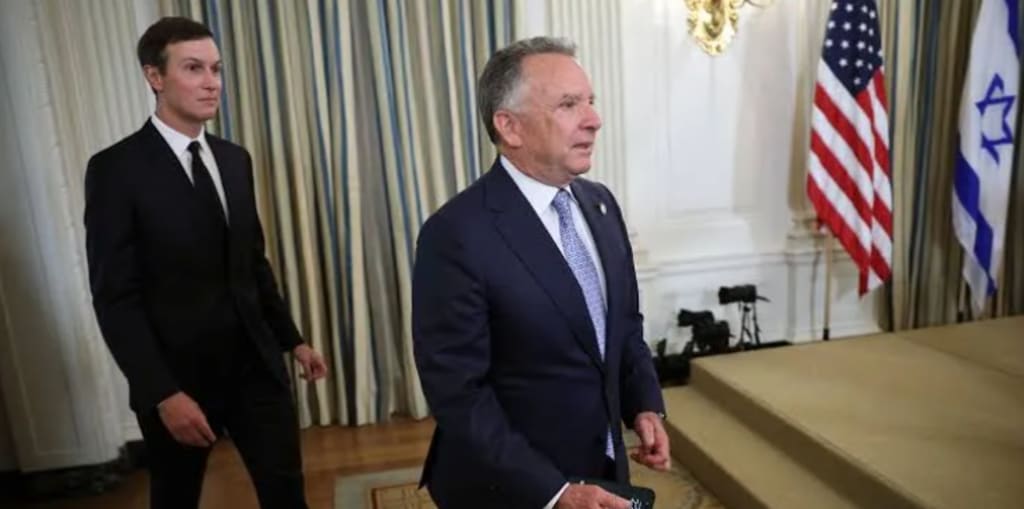
The phrase “Gaza is our show” has quietly become one of the most revealing summaries of Washington’s posture in the ongoing Gaza crisis. Behind closed doors and through carefully calibrated public signals, the United States has been pushing its own plan for Gaza’s future—often in direct conflict with the objections of Israeli Prime Minister Benjamin Netanyahu. This growing divergence highlights not only tensions within one of the world’s most important alliances, but also a shift in how the U.S. views its role as the ultimate power broker in the Middle East.
A Relationship Under Strain
For decades, the U.S.–Israel relationship has been portrayed as unshakeable. Military aid, diplomatic backing, and shared strategic interests have formed the backbone of that partnership. Yet the Gaza war has exposed deep fractures, particularly over questions of endgame strategy.
Netanyahu’s government has consistently emphasized total military victory, rejecting external timelines, international oversight, or any post-war arrangements that might limit Israeli freedom of action. The U.S., while publicly affirming Israel’s right to self-defense, has increasingly signaled that it will not endorse an open-ended conflict or a Gaza future dictated solely by Israel.
This is where the sentiment “Gaza is our show” comes into play. It reflects Washington’s belief that the consequences of the war—regional instability, humanitarian fallout, and global political backlash—extend far beyond Israel’s borders, making Gaza a matter of American strategic interest.
The American Plan for Gaza
At the core of U.S. objections to Netanyahu’s approach is the question of “the day after.” Washington has pushed for a post-war framework that includes:
Preventing long-term Israeli reoccupation of Gaza
Reintroducing a reformed Palestinian Authority in some governing role
Establishing regional or international security mechanisms
Allowing large-scale humanitarian reconstruction under international supervision
Netanyahu has resisted nearly all of these points. His coalition, heavily influenced by far-right factions, rejects Palestinian Authority involvement and opposes any steps that could revive momentum toward a two-state solution. For Netanyahu, maintaining political survival at home is as critical as winning the war abroad.
The U.S., however, views this resistance as short-sighted. American officials worry that without a credible political pathway, Gaza will remain a breeding ground for instability, dragging Israel—and by extension the U.S.—into repeated cycles of conflict.
Power Dynamics Behind Closed Doors
While public statements from Washington remain measured, diplomatic pressure has steadily increased. The U.S. has delayed or conditioned certain arms deliveries, intensified private warnings, and elevated humanitarian concerns in international forums. These actions send a clear message: American support is not unconditional.
This shift has reportedly frustrated Netanyahu, who is accustomed to broad U.S. backing even during controversial military operations. The perception that Washington is overriding Israeli objections feeds into domestic Israeli narratives of sovereignty under threat, further complicating relations.
At the same time, the U.S. is balancing competing pressures. Arab allies demand meaningful steps toward Palestinian self-governance. European partners push for accountability and ceasefire frameworks. Domestic American politics—especially in an election cycle—add another layer of complexity.
Gaza as a Global Stage
Gaza is no longer just a regional conflict zone; it has become a global symbol. Images from the war have sparked protests, diplomatic rifts, and heated debates across continents. For Washington, allowing the conflict to spiral without a political solution risks eroding its credibility as a stabilizing force.
By asserting leadership over Gaza’s future, the U.S. is attempting to reclaim control of the narrative. This does not mean sidelining Israel entirely, but it does mean redefining the boundaries of influence. The message is clear: strategic allies are expected to align with broader regional goals, not just national priorities.
What This Means Going Forward
The clash between U.S. strategy and Netanyahu’s objections may define the next phase of the conflict more than battlefield developments. If Washington continues to press its plan, Israel could face increasing diplomatic isolation. Conversely, if the U.S. retreats under political pressure, it risks reinforcing the perception that it cannot enforce its own red lines.
Ultimately, the Gaza crisis is testing whether alliances are built on loyalty alone or on shared accountability. “Gaza is our show” is less a declaration of dominance than an admission of responsibility. The U.S. understands that the future of Gaza will shape regional stability for years to come—and it is no longer willing to remain a passive partner.
As the war grinds on, one thing is certain: the struggle over Gaza is no longer just about territory or security. It is about who gets to decide the future, and at what cost.
About the Creator
Keep reading
More stories from Aqib Hussain and writers in The Swamp and other communities.
Trump Announces Tariffs on European Countries Opposing Greenland Takeover
In a move that has reignited global debate and unsettled international markets, former U.S. President Donald Trump has announced the possibility of imposing new tariffs on European countries that oppose what he describes as America’s “strategic interest” in Greenland. The statement, delivered during a recent political rally and later reinforced through campaign surrogates, has once again placed Greenland, European unity, and transatlantic trade relations at the center of global attention.
By Aqib Hussaina day ago in The Swamp




Comments
There are no comments for this story
Be the first to respond and start the conversation.