
Investigation Reveals Israeli Campaign to Flatten Gaza Town of Beit Hanoon
New findings shed light on the scale, strategy, and humanitarian impact of military operations in northern Gaza

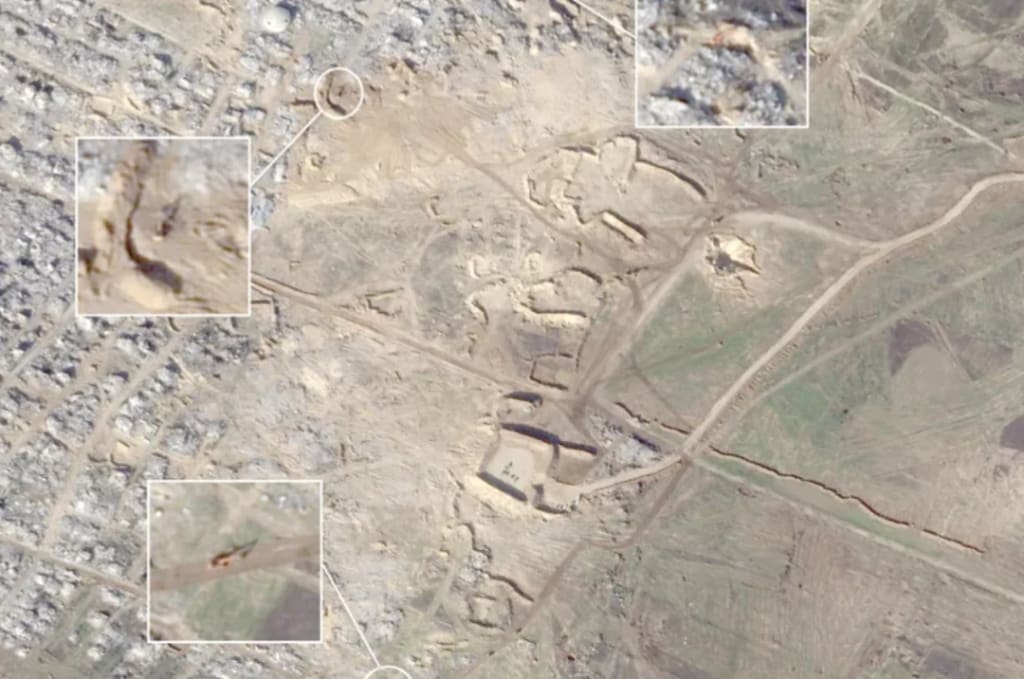
An investigation into Israel’s military operations in the Gaza Strip has revealed a sustained campaign aimed at flattening the town of Beit Hanoon, a densely populated area in northern Gaza that has long been a focal point of conflict. Drawing on satellite imagery, eyewitness accounts, humanitarian assessments, and military analysis, the investigation highlights the extent of destruction in the town and raises serious questions about military objectives, civilian protection, and the future of Gaza’s urban landscape.
Beit Hanoon: A Strategic and Symbolic Target
Beit Hanoon lies near the northern edge of the Gaza Strip, close to the Israeli border, making it strategically significant in Israel’s long-running conflict with Hamas and other Palestinian armed groups. Israeli officials have repeatedly described the town as a launchpad for rocket fire and militant infiltration attempts. Because of this proximity, Beit Hanoon has been subjected to multiple rounds of bombardment over the years, but investigators say the most recent campaign stands out in both scale and intensity.
According to the investigation, large sections of Beit Hanoon have been reduced to rubble through a combination of airstrikes, artillery fire, and ground operations. Satellite images taken before and after the offensive show entire neighborhoods erased, with roads torn apart and public infrastructure rendered unusable. Analysts estimate that a majority of residential buildings in some districts have been damaged or destroyed.
Pattern of Systematic Destruction
What distinguishes this operation, the investigation suggests, is evidence of a systematic approach rather than sporadic or purely reactive strikes. Damage patterns indicate repeated targeting of the same areas, even after active fighting appeared to subside. In several cases, buildings that were already damaged were later completely demolished, pointing to what experts describe as “area denial” tactics — making zones uninhabitable to prevent future militant use.
Military analysts interviewed for the investigation argue that such tactics are designed to remove cover and infrastructure that armed groups might exploit, such as tunnels, weapons storage sites, and command centers. Israeli officials have consistently maintained that Hamas embeds itself within civilian areas, forcing the military to operate in urban environments and increasing the risk of widespread damage.
However, critics say the extent of destruction in Beit Hanoon goes beyond what is necessary for immediate military objectives. Human rights organizations cited in the investigation argue that flattening entire neighborhoods raises concerns under international humanitarian law, which requires proportionality and the protection of civilians and civilian infrastructure.
Humanitarian Impact on Civilians
The human cost of the campaign has been severe. Beit Hanoon was home to tens of thousands of residents before the latest escalation. Most have been displaced, many fleeing multiple times as fighting spread across northern Gaza. Those who attempted to remain reported shortages of food, clean water, and medical care, with local clinics damaged or overwhelmed.
The investigation includes testimonies from residents who returned briefly to inspect their homes, only to find entire streets unrecognizable. “There is nothing left to come back to,” one displaced resident said. Schools, mosques, and markets — once central to community life — have been destroyed or heavily damaged, undermining prospects for a swift return even if hostilities end.
Aid agencies warn that the destruction of Beit Hanoon adds to Gaza’s already dire humanitarian situation. With housing stock severely depleted, rebuilding will take years and require massive international support. The flattening of agricultural land and water infrastructure further threatens food security in an area already dependent on external aid.
Israel’s Stated Objectives and Response
Israeli military officials, responding to reports of widespread destruction, emphasize that operations in Beit Hanoon are aimed at neutralizing militant threats near the border. They argue that Hamas has turned the town into a fortified zone, embedding tunnels and weapons among civilian buildings. From Israel’s perspective, clearing these areas is necessary to protect Israeli communities nearby.
Officials also point to evacuation warnings issued to civilians as evidence of efforts to minimize harm. However, investigators note that evacuation options in Gaza are extremely limited, and many residents had nowhere safe to go.
International Reaction and Legal Scrutiny
The findings have prompted renewed calls from international actors for restraint and accountability. Several governments and UN officials have expressed concern over the scale of destruction in northern Gaza, urging independent investigations into potential violations of international law.
Human rights groups cited in the report argue that the apparent goal of rendering Beit Hanoon uninhabitable could amount to collective punishment, which is prohibited under the Geneva Conventions. Israel strongly rejects such accusations, insisting that its actions are lawful and targeted solely at militant infrastructure.
What Lies Ahead for Beit Hanoon
As fighting continues in parts of Gaza, the future of Beit Hanoon remains uncertain. Even if a ceasefire is reached, the town faces immense challenges: clearing rubble, rebuilding homes, restoring basic services, and addressing the trauma of displacement and loss.
The investigation into the campaign to flatten Beit Hanoon underscores a broader reality of the Gaza conflict — that urban warfare leaves scars that extend far beyond the battlefield. For residents of Beit Hanoon, the destruction of their town is not just a military outcome but a profound humanitarian and social rupture, one that will shape lives for generations to come.
About the Creator
Keep reading
More stories from Salaar Jamali and writers in The Swamp and other communities.
Stablecoins Moved $35 Trillion Last Year but Only 1% Was for ‘Real World’ Payments
Subtitle Stablecoins, the digital assets designed to maintain a stable value—usually pegged to a fiat currency like the U.S. dollar—have captured headlines for their explosive on‑chain transaction volumes. In 2025, stablecoins facilitated an astonishing $35 trillion in blockchain transfers. However, new data reveals a striking contrast: only about 1 % of that volume was actually used for “real world” payments like remittances, payroll, or commercial transactions. This gap highlights both the immense growth of crypto markets and the slow pace of real‑world adoption.
By Salaar Jamaliabout 15 hours ago in The Swamp
UK Inflation Rises to 3.4%, Driven by Tobacco and Airfares
The United Kingdom has reported a rise in inflation to 3.4% in December, marking the first noticeable increase in several months. Analysts attribute the growth primarily to higher tobacco prices and airfares, indicating that despite overall economic stabilization, households continue to face pressure on their wallets.
By Aarif Lashari6 days ago in The Swamp
Stocks Rebound After Trump Rules Out Military Action on Greenland: Live Updates
Global stock markets rallied Wednesday after a turbulent couple of days, following fears over U.S. President Donald Trump’s controversial interest in Greenland. Traders had been spooked by speculation about military action to acquire the Arctic territory — but Trump clarified that the U.S. would not pursue force, calming investors.
By Aqib Hussain5 days ago in The Swamp



Comments
There are no comments for this story
Be the first to respond and start the conversation.