
Trump Plans to Keep Democratic Governors Out of Traditionally Bipartisan Meeting
Move sparks political backlash as critics warn it could deepen division and weaken cooperation during national crises

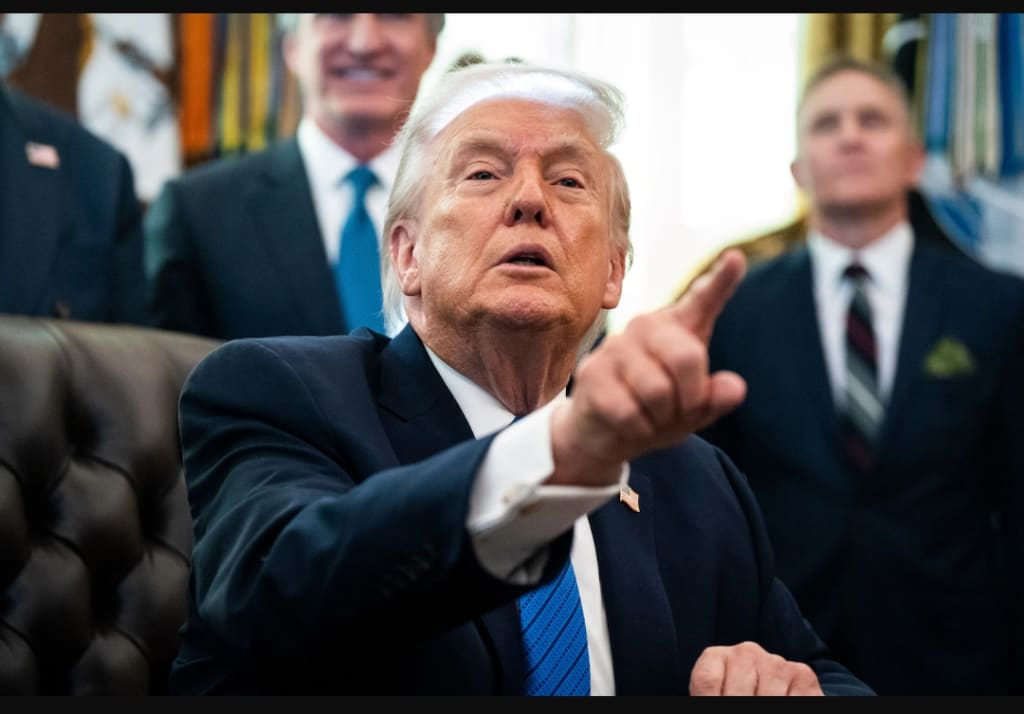
Former U.S. President Donald Trump is once again drawing political attention after reports that he plans to exclude Democratic governors from a traditionally bipartisan meeting—an event that has historically served as a forum for cross-party cooperation on major national issues.
The decision, if confirmed and carried out, would mark a significant departure from the long-standing practice of including governors from both parties in discussions related to national security, disaster response, infrastructure, and federal-state coordination. Critics argue the move reflects a growing trend in American politics: replacing cooperation with confrontation.
Supporters of Trump, however, see the decision as a political strategy aimed at rewarding allies, strengthening party unity, and ensuring that meetings are not “derailed” by partisan disagreement.
Either way, the plan is fueling fresh debate over the state of bipartisan governance in the United States.
Why the Meeting Matters
In the U.S., governors play a powerful role in managing key issues such as:
Emergency response and disaster relief
Public health coordination
National Guard deployment
Border and immigration enforcement
Infrastructure planning
Federal funding distribution
Traditionally, meetings involving state leaders—especially those tied to federal coordination—are designed to be bipartisan. The goal is simple: even when parties disagree politically, the country still needs cooperation to function.
That is why Trump’s reported plan to keep Democratic governors out is being viewed as more than a political statement. Many analysts say it could affect how states coordinate with federal leadership in moments of crisis.
What Trump Is Reportedly Planning
According to the reports, Trump intends to limit attendance at the meeting by excluding Democratic governors, even though the gathering has historically included leaders from both major parties.
While details may vary depending on the nature of the event, the message is politically clear:
Republican governors will be welcomed
Democratic governors will be shut out
Bipartisan tradition will be replaced with party-based participation
This is unusual for a forum that typically exists to build unity, especially when the topics involve nationwide challenges rather than party agendas.
Why Trump Would Take This Approach
Trump has long built his political identity around a clear “us vs. them” strategy. His leadership style is not based on traditional bipartisan cooperation, but on direct political confrontation.
There are several reasons why Trump may be taking this approach:
1. Strengthening Party Loyalty
By keeping the meeting limited to Republican governors, Trump can reinforce loyalty within the party and maintain tight control over the messaging.
This creates a setting where:
The discussion stays aligned with Trump’s agenda
Republican governors receive political recognition
The event becomes a showcase of party unity
2. Punishing Political Opposition
Excluding Democratic governors can also be interpreted as a form of political punishment.
Trump has often accused Democratic state leaders of:
Blocking conservative policies
Misusing federal funds
Encouraging immigration
Mishandling crime and public safety
Supporters argue that including them would only lead to conflict. Critics say this mindset undermines democratic cooperation.
3. Creating a Political Narrative
Trump’s political brand thrives on conflict with Democrats. Excluding Democratic governors could help him frame the meeting as:
A gathering of “serious leaders”
A push for “real solutions”
A contrast between Republican and Democratic governance
This messaging is likely aimed at voters who believe Democrats have failed on issues like inflation, border security, and crime.
Democratic Governors React: “This Is Not Leadership”
Democratic governors and party leaders have criticized the idea, saying it reflects an unhealthy level of political division.
Many argue that governors should not be excluded from meetings that impact:
Disaster response coordination
Federal funding decisions
National infrastructure planning
Public health readiness
Military or security concerns
From their perspective, Trump’s plan is not only partisan but potentially harmful to effective governance.
Some Democratic leaders have described the move as “political theater” that prioritizes headlines over solutions.
What This Means for Bipartisanship in the U.S.
America’s political system is already deeply polarized. In recent years, bipartisan cooperation has weakened across:
Congress
Federal agencies
State governments
National policy discussions
Trump’s reported plan reflects a broader reality: bipartisan traditions are increasingly being replaced by political strategy.
The danger, critics say, is that once bipartisan forums become partisan, it becomes harder to:
Respond to emergencies
Coordinate federal-state action
Maintain public trust
Keep governance functional during crises
Supporters of Trump counter thaipartisanship has often been used as an excuse for weak leadership and slow progress.
Possible Consequences of Excluding Democratic Governors
1. Reduced Coordination During National Emergencies
Governors are on the front lines when hurricanes, wildfires, floods, or public health emergencies strike. Excluding half the nation’s governors could weaken communication channels.
2. Political Escalation Between States
If Democratic governors are excluded, they may respond by:
Increasing public criticism
Refusing cooperation on federal initiatives
Strengthening their own alliances across Democratic-led states
This could deepen political fragmentation across the country.
3. Public Perception of Division
Many American voters—especially independents—are tired of constant political conflict. Excluding Democratic governors could reinforce the belief that the U.S. is becoming ungovernable.
Supporters Say Trump Is “Keeping It Efficient”
Trump’s supporters argue that bipartisan meetings often become:
Unproductive
Filled with political arguments
More focused on media than results
They claim limiting the meeting to Republican governors ensures that:
Policy discussions stay aligned
Decisions are made faster
There is no public disagreement during the event
From this viewpoint, the move is not anti-democratic—it is strategic and practical.
Final Thoughts: A Symbol of America’s Political Direction
Trump’s plan to keep Democratic governors out of a traditionally bipartisan meeting is a striking symbol of modern American politics. It highlights how deeply divided the country has become, even in spaces that were once designed for cooperation.
Whether the move is seen as strategic leadership or dangerous partisanship depends largely on political perspective. But what cannot be ignored is its message: the idea of working across party lines is becoming increasingly rare.
As the U.S. faces complex challenges—economic uncertainty, climate disasters, global conflict, and internal political tension—many Americans will be watching to see whether leaders choose unity or division.
FAQs (People Also Ask)
Why is Trump excluding Democratic governors from the meeting?
Reports suggest Trump wants the meeting to include only Republican governors, possibly to maintain party unity and avoid partisan conflict.
Are meetings with governors usually bipartisan?
Yes, many traditional meetings involving governors are bipartisan, especially when they relate to national crises, disaster response, or federal-state coordination.
What impact could this decision have?
It could increase political division, reduce coordination, and weaken trust in bipartisan governance.
How are Democrats responding?
Democratic leaders argue that excluding governors based on party is irresponsible and undermines cooperation needed for national issues.
About the Creator
Asad Ali
I'm Asad Ali, a passionate blogger with 3 years of experience creating engaging and informative content across various niches. I specialize in crafting SEO-friendly articles that drive traffic and deliver value to readers.
The Saddest Thing - The Billionaires Who Rule America Aren't Even Enjoying Themselves
This single post says more about our ruling class than a thousand policy papers. The saddest thing about today's system is that the men robbing the rest of us - sabotaging our economic prospects, our pensions, our access to affordable healthcare - are not even happy.
By Scott Christenson🌴6 days ago in The Swamp




Comments
There are no comments for this story
Be the first to respond and start the conversation.