
Trump Continues to Rail Against Ilhan Omar After Minneapolis Town Hall Attack – Live Updates and Political Fallout
Rising political tensions spark national debate as Trump renews criticism of Rep. Ilhan Omar following a violent disruption at a Minneapolis town hall, raising concerns over rhetoric, public safety, and democratic discourse.
Be
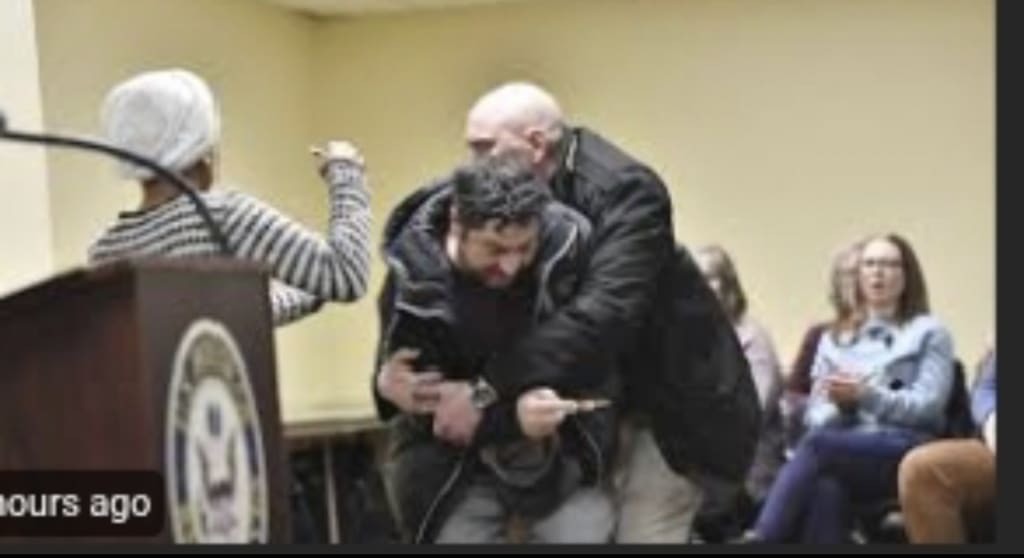
The political temperature in the United States has risen sharply following a violent disruption at a Minneapolis town hall event, with former President Donald Trump intensifying his attacks on Representative Ilhan Omar in the aftermath. As details surrounding the incident continue to emerge, the episode has reignited debates around political rhetoric, public safety, and the consequences of polarization in American politics.
What Happened at the Minneapolis Town Hall?
The Minneapolis town hall event, organized as a community-focused discussion, was meant to provide residents with a platform to voice concerns and engage in civic dialogue. Instead, it descended into chaos when an individual reportedly attempted to disrupt the gathering, prompting a swift response from law enforcement. Authorities have confirmed that no fatalities occurred, though several attendees were shaken, and security concerns have taken center stage.
Officials described the incident as an “attack on civic engagement,” underscoring the growing risks faced by elected officials and citizens alike during public political events. While investigations are ongoing, the incident has already triggered a wave of political reactions across the country.
Trump’s Renewed Attacks on Ilhan Omar
In the hours following news of the Minneapolis town hall attack, Donald Trump took to his preferred communication platforms to once again criticize Ilhan Omar, the Minnesota congresswoman and prominent member of the progressive “Squad.” Trump’s comments, delivered in a familiar combative tone, accused Omar of contributing to division and claimed her political ideology was “dangerous for America.”
Trump’s renewed focus on Omar is not new. Throughout his presidency and beyond, he has frequently singled her out, often questioning her patriotism and policy positions. However, critics argue that escalating rhetoric following a violent incident risks inflaming tensions further rather than calming them.
Supporters of Trump, meanwhile, view his statements as a continuation of his hardline stance against progressive lawmakers, insisting he is addressing what they see as failures in leadership and public safety in Democrat-led cities.
Ilhan Omar’s Response and Calls for Unity
Representative Ilhan Omar responded by condemning the violence unequivocally, emphasizing that political disagreements should never escalate into threats or attacks. In a brief statement, she called for unity, urging leaders across the political spectrum to lower the temperature and reaffirm democratic values.
Omar has long been a vocal advocate for civil discourse, even as she remains a polarizing figure. Her supporters argue that she is being unfairly targeted and that repeated attacks from high-profile figures contribute to an atmosphere of hostility that puts public servants at risk.
Political Rhetoric and Real-World Consequences
The Minneapolis town hall incident has reopened a broader conversation about the consequences of political rhetoric in an era of extreme polarization. Analysts note that language used by influential leaders can shape public behavior, sometimes with dangerous outcomes.
Political violence and threats against lawmakers have increased in recent years, according to multiple studies and law enforcement briefings. Town halls, once seen as routine civic events, now often require heightened security measures, reflecting a troubling shift in the political landscape.
Experts warn that framing political opponents as enemies rather than rivals can erode democratic norms and fuel extremism. The current clash between Trump and Omar exemplifies how personal attacks can overshadow substantive policy debates.
Reactions From Across the Political Spectrum
Democratic leaders were quick to criticize Trump’s remarks, arguing that attacking a sitting congresswoman in the wake of violence is irresponsible. Several called for accountability and a renewed commitment to respectful discourse.
Republican responses were more mixed. While some echoed Trump’s criticisms of Omar’s policies, others emphasized the need to condemn violence unequivocally and avoid rhetoric that could be perceived as endorsing hostility.
Civil rights groups and advocacy organizations also weighed in, stressing the importance of protecting elected officials and ensuring that public spaces remain safe for democratic participation.
What This Means Going Forward
As investigations into the Minneapolis town hall attack continue, the political fallout is likely to persist. Trump’s ongoing criticism of Ilhan Omar signals that the former president remains deeply engaged in shaping the national conversation, particularly as election season approaches.
For voters, the incident serves as a stark reminder of the current state of American politics—one marked by sharp divisions, emotional rhetoric, and real-world consequences. Whether leaders choose to escalate tensions or pivot toward unity may shape public trust and political engagement in the months ahead.
Final Thoughts
The Minneapolis town hall attack and the subsequent exchange between Donald Trump and Ilhan Omar highlight a critical moment for American democracy. At its core, the issue extends beyond two political figures—it reflects a broader struggle over how disagreements are expressed and resolved in a deeply divided nation.
As live updates continue and reactions unfold, one question remains central: can political leaders rise above partisan conflict to protect democratic spaces, or will escalatin
About the Creator
Queen Elizabeth II Statue Will Be Standing and Not on Horseback
Plans for a new statue of Queen Elizabeth II have confirmed that the monarch will be depicted standing, rather than on horseback, sparking discussions about the design, symbolism, and legacy of the late Queen. The statue is part of a broader effort to commemorate her 70-year reign and provide a lasting tribute to her life and contributions.
By Aarif Lashari6 days ago in The Swamp
Ground Rent Cap Set to Transform Leasehold Market in England and Wales
The government of England and Wales is poised to announce a major policy to cap ground rents on existing leasehold properties, with far-reaching implications for millions of homeowners trapped in one of the most criticised aspects of the UK housing market. �
By Ayesha Lashari3 days ago in The Swamp


Comments
There are no comments for this story
Be the first to respond and start the conversation.