
Deaths Reported During Widening Protests in Iran Sparked by Ailing Economy
Deaths Reported as Protests Escalate in Iran Over Ailing Economy and Government Response
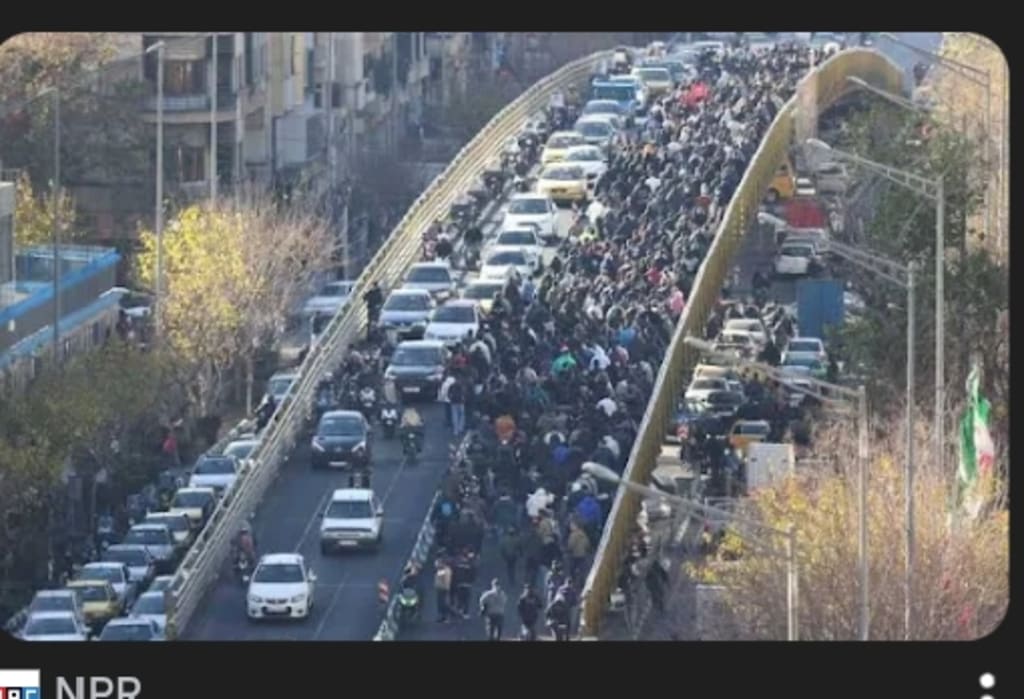
The recent wave of protests in Iran has erupted into a full-scale social and political crisis, as mounting frustration over the country’s deteriorating economic situation has triggered widespread unrest. What began as localized demonstrations quickly morphed into nationwide protests, with reports indicating that at least several dozen people have lost their lives during the clashes between protesters and Iranian security forces.
The situation is a reflection of years of economic decline, with soaring inflation, high unemployment rates, and a sharp devaluation of the national currency, the rial. As the Iranian government struggles to contain the crisis, the country faces a crossroads between maintaining strict control and yielding to the voices of a population on the brink of a major socio-political shift.
A Nation on Edge
In recent weeks, Iran has witnessed some of the largest protests in decades, driven largely by economic hardship. The protests were sparked by a combination of factors—chief among them being an economy suffering from multiple shocks, including international sanctions, corruption, mismanagement, and the effects of the global COVID-19 pandemic.
The Iranian government has been grappling with the fallout from heavy sanctions imposed by the United States and its allies, which have crippled key sectors of the economy. Oil exports, once the backbone of Iran's revenue, have plummeted, and inflation rates have soared to alarming levels. According to reports, inflation in the country has exceeded 40%, leading to a severe increase in the prices of essential goods, particularly food and medicine. The Iranian rial has fallen dramatically against the dollar, further exacerbating the financial strain on ordinary Iranians.
For many, the price hikes, coupled with stagnating wages and a lack of job opportunities, have pushed them to the brink. As the government's response to the crisis has remained largely reactive, many have seen no option but to take to the streets to voice their anger.
From Economic Grievances to Political Uprising
What began as protests over economic issues such as high food prices, unemployment, and the devaluation of the rial quickly spiraled into more generalized dissatisfaction with the government. The protests, which have spread across major cities including Tehran, Isfahan, and Shiraz, have evolved into broader demands for political reform and greater freedoms.
Demonstrators have called for an end to what they perceive as a system of corruption and mismanagement by the ruling elite. The government’s failure to address the needs of the population has been a key driver behind the protests, with many calling for the resignation of senior political figures. Despite the government's tight grip on power, these protests have shown little sign of subsiding, and the demands from the streets seem to be growing louder.
Iranian authorities have responded to the unrest with force, deploying riot police and military units to quell the protests. In several instances, security forces have opened fire on protesters, leading to a growing number of casualties. According to human rights organizations, at least 40 people have died, and hundreds have been injured. Some sources claim the real numbers could be higher, but access to the affected areas has been restricted, making it difficult to obtain accurate data.
The government’s crackdown on the protests has sparked international condemnation, with foreign governments and organizations calling for an end to the use of force and a peaceful resolution to the unrest. The United Nations has called for an independent investigation into the deaths and injuries resulting from the government's response.
International Reactions and Impact
The ongoing unrest in Iran has captured the attention of the international community, with many countries expressing concern over the heavy-handed response of Iranian security forces. The U.S., European Union, and several human rights organizations have condemned the violence and urged the Iranian government to respect the right to peaceful protest.
Iran's neighbors and key allies, including Russia and China, have remained largely silent or offered muted support for the government, while some regional players have voiced concern about the potential for instability spilling over into neighboring countries. The wider Middle East region, already marked by tensions and ongoing conflicts, is now watching closely as the protests continue to unfold.
From a geopolitical standpoint, the unrest could have long-lasting implications for Iran's relations with the West. Countries such as the United States, which had imposed stringent sanctions on Iran following its withdrawal from the 2015 nuclear deal, are likely to use the situation to further isolate Tehran. In contrast, nations sympathetic to the Iranian government, like Russia, are unlikely to take any significant action, but could play a role in helping to stabilize the regime.
The Future of Iran’s Economic Struggles
The growing protests and rising death tolls underscore the deepening crisis Iran faces. The economic hardships driving the protests are not likely to ease any time soon. Even with potential negotiations or deals on the horizon, such as the possibility of reviving the nuclear agreement, the underlying economic challenges remain. The country's dependence on oil exports, combined with its limited integration into the global economy due to sanctions, has left it vulnerable to further shocks.
Despite the clear grievances of the Iranian public, the path to reform is far from clear. The ruling government has shown little inclination to accommodate the demands of the protesters, often opting to crack down on dissent rather than engage in meaningful dialogue. As long as the economy remains stagnant and living standards continue to decline, the protests are likely to persist, putting increased pressure on the government to find a way to address both economic and political discontent.
A Turning Point for the Iranian Government?
As Iran’s protests enter their third week, there is growing speculation about whether this could be a turning point in the country’s political trajectory. The response of the Iranian leadership will be crucial in determining whether the protests remain isolated or spiral into a broader political movement. International pressure, domestic unrest, and economic challenges have created a volatile situation that could reshape Iran’s future for years to come.
While the Iranian regime has been able to survive previous waves of protests, this time the stakes are higher. With mounting casualties and the crisis showing no signs of abating, the government faces a tough choice: continue to suppress dissent, or make the political and economic reforms necessary to address the root causes of the unrest.
Conclusion
The protests in Iran have served as a stark reminder of the deep discontent that exists within the population and the dire economic circumstances many Iranians face daily. As the death toll continues to rise, the international community watches closely, hoping for an end to the violence and a peaceful resolution to the crisis. However, given the entrenched nature of the country's political system and the severity of the economic crisis, it seems unlikely that this unrest will be resolved easily. For now, the people of Iran are demanding change, and the world is watching to see if their voices will be heard.
About the Creator
The Forsyth House Fire
Since 1851, Forsyth House has stood on the corner of Union Street and Gordon Street in the heart of Glasgow. Its iconic, or was... because on Sunday 8th of March, 2026, a fire broke out in a small, seemingly un-named shop in the building and tore all that history down. As I write, the rubble is still unsettled and the street is still blocked off. Central Station is quiet on the upper level, and around 30 small businesses have quite literally gone up in smoke.
By S. A. Crawford2 days ago in The Swamp
Author’s Advice
If you would’ve asked me 20 years ago did I know I’d become a writer and an author, I would’ve said “nope, ain’t happening”. As fate would have it I did become an author and I can honestly say I’m loving it so far. It really does feel good to be a writer. I’ve learned a lot on this journey and I feel like with even me being as new to this world as I am, there’s some wisdom I need to share with every other aspiring author.
By Joe Patterson4 days ago in Journal



Comments
There are no comments for this story
Be the first to respond and start the conversation.