
TKMS, Seaspan Shipyards sign teaming for Canadian Patrol Submarine Project
A new partnership aims to modernize Canada’s submarine fleet

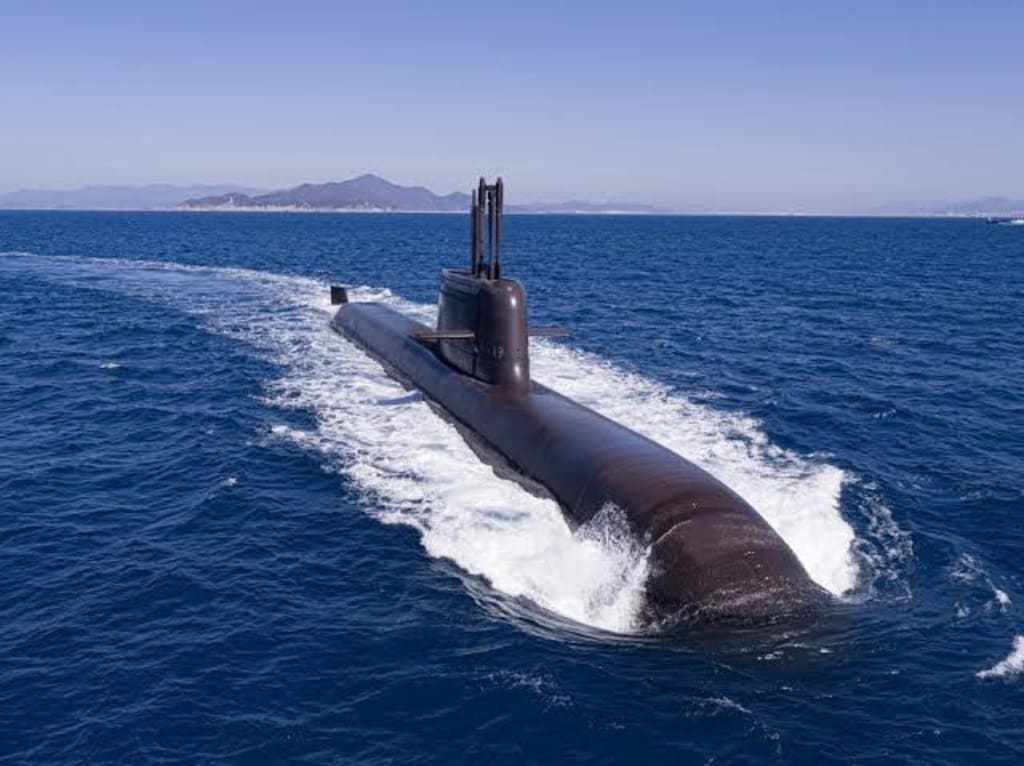
A strategic partnership aims to strengthen Canada’s naval future
Germany’s Thyssenkrupp Marine Systems (TKMS) and Seaspan Shipyards of Canada have signed a teaming agreement for the Canadian Patrol Submarine Project, marking a major step forward in Canada’s effort to modernize its underwater fleet. The partnership brings together international submarine expertise and domestic shipbuilding capability, setting the stage for one of the most important defense procurement programs in Canadian history.
The agreement reflects Canada’s growing focus on maritime security, Arctic operations, and fleet renewal, while also supporting long-term industrial growth at home.
Why Canada Needs New Patrol Submarines
Canada’s current submarine fleet has served the country for decades, but evolving security challenges and aging platforms have increased the need for replacement. Modern patrol submarines are essential for:
Protecting national waters
Monitoring Arctic and coastal regions
Supporting NATO commitments
Deterring potential threats below the surface
As global competition intensifies in the world’s oceans, submarines remain one of the most effective tools for surveillance and defense. Canada’s vast coastline and growing Arctic interests make underwater capability especially critical.
Who Are the Partners?
Thyssenkrupp Marine Systems (TKMS)
TKMS is one of the world’s leading designers and builders of submarines and surface warships. The company is best known for its advanced conventional submarines, which are used by navies across Europe, Asia, and beyond. TKMS brings decades of experience in stealth technology, underwater endurance, and combat systems integration.
Seaspan Shipyards
Seaspan Shipyards is Canada’s largest shipbuilding company and a key partner in the country’s National Shipbuilding Strategy. Based in British Columbia, Seaspan has been responsible for delivering major naval and coast guard vessels while building up Canada’s industrial and technical workforce.
Together, the two companies aim to combine global expertise with local production, ensuring that Canada gains both advanced submarines and long-term economic benefits.
What the Teaming Agreement Means
A teaming agreement is an early-stage partnership that outlines how companies will work together if selected for a major defense program. In this case, it signals TKMS and Seaspan’s joint intent to compete for the Canadian Patrol Submarine Project as a unified team.
Key elements of the agreement include:
Shared design and production planning
Canadian-based construction and assembly
Technology transfer and skills development
Long-term maintenance and support in Canada
This approach aligns with Canada’s requirement that major defense projects support domestic industry and create jobs.
Boosting Canada’s Shipbuilding Industry
One of the most significant aspects of the partnership is its potential impact on Canada’s shipbuilding sector. By involving Seaspan in submarine construction, the project would help develop underwater vessel expertise within Canada — an area traditionally limited to a few specialized countries.
Benefits include:
Creation of high-skilled jobs
Development of advanced manufacturing capabilities
Strengthening of Canada’s defense supply chain
Reduced reliance on foreign maintenance facilities
Over time, this could position Canada as a regional center for submarine support and modernization.
Strategic Importance of Submarines
Submarines play a unique role in modern naval operations. Unlike surface ships, they can operate undetected for long periods, making them ideal for intelligence gathering and deterrence.
For Canada, patrol submarines are especially valuable for:
Arctic sovereignty missions, where stealth is essential
Monitoring shipping lanes and underwater activity
Training and joint exercises with allies
Defending maritime approaches
The TKMS-Seaspan partnership aims to deliver submarines capable of meeting these demands in both peacetime and high-tension environments.
Global Context and Competition
Canada’s submarine project is drawing interest from several international defense companies. Many countries are upgrading their underwater fleets as naval competition increases in the Atlantic, Pacific, and Arctic regions.
By teaming with TKMS, Seaspan gains access to proven submarine designs that can be adapted to Canada’s specific needs. For TKMS, the partnership offers a strong local presence and a path to meeting Canada’s industrial participation requirements.
This combination improves the bid’s competitiveness while reducing technical and delivery risks.
Challenges Ahead
Despite the promise of the partnership, the project still faces challenges. Large defense procurements are complex, involving:
Long timelines
High costs
Strict technical requirements
Political and budgetary oversight
Both companies will need to demonstrate that their proposal is cost-effective, reliable, and aligned with Canada’s strategic goals. Clear planning, transparency, and strong coordination will be essential for success.
What This Means for Canada’s Navy
If selected, the TKMS-Seaspan team could play a central role in shaping the future of Canada’s submarine fleet. Modern patrol submarines would significantly enhance the Royal Canadian Navy’s ability to operate in challenging environments and support allied missions.
More importantly, the project represents a shift toward greater self-reliance, ensuring that Canada can build, maintain, and upgrade critical naval assets at home.
Conclusion
The teaming agreement between TKMS and Seaspan Shipyards marks an important milestone in Canada’s pursuit of next-generation patrol submarines. By combining international submarine expertise with domestic shipbuilding strength, the partnership offers a compelling vision for modernizing Canada’s underwater capabilities.
As the Canadian Patrol Submarine Project moves forward, this collaboration highlights the growing importance of strategic partnerships, industrial development, and maritime security. Whether ultimately selected or not, the agreement underscores Canada’s commitment to building a capable navy while investing in its own defense industry for the long term.
About the Creator
Fiaz Ahmed
I am Fiaz Ahmed. I am a passionate writer. I love covering trending topics and breaking news. With a sharp eye for what’s happening around the world, and crafts timely and engaging stories that keep readers informed and updated.
Keep reading
More stories from Fiaz Ahmed and writers in The Swamp and other communities.
China’s Next-Generation Stealth Frigate Achieves Operational Capability
A major step forward for China’s modern navy and regional maritime power China has reached another important milestone in its naval modernization drive as its next-generation stealth frigate has officially achieved operational capability. The development signals a growing focus on advanced naval technology, improved combat readiness, and enhanced maritime presence. As global attention increasingly shifts toward the Indo-Pacific, this new class of warship highlights how China is reshaping its naval forces for future conflicts and missions.
By Fiaz Ahmed a day ago in The Swamp
CNBC's Inside India newsletter: EU edges out U.S. in getting India to slash auto tariffs, but can European carmakers win big?
India’s automobile sector, long shielded by some of the world’s highest import tariffs, is showing signs of opening up—and Europe appears to have taken the lead. In a notable shift in trade diplomacy, the European Union has edged ahead of the United States in persuading India to consider reducing its steep duties on imported vehicles. This development, highlighted in CNBC’s Inside India newsletter, marks a potential turning point for global carmakers seeking access to one of the fastest-growing auto markets in the world. Yet even as trade doors begin to open, the central question remains: can European car manufacturers truly win big in India?
By Sajida Sikandarabout 17 hours ago in The Swamp




Comments
There are no comments for this story
Be the first to respond and start the conversation.