
They Pulled Roman Ships from This Italian Lake After 2,000 Years — Only to Lose Them Again in a WWII Fire
Ancient vessels from Lake Nemi reveal the ingenuity of Roman engineering — and the tragedy of modern destruction.
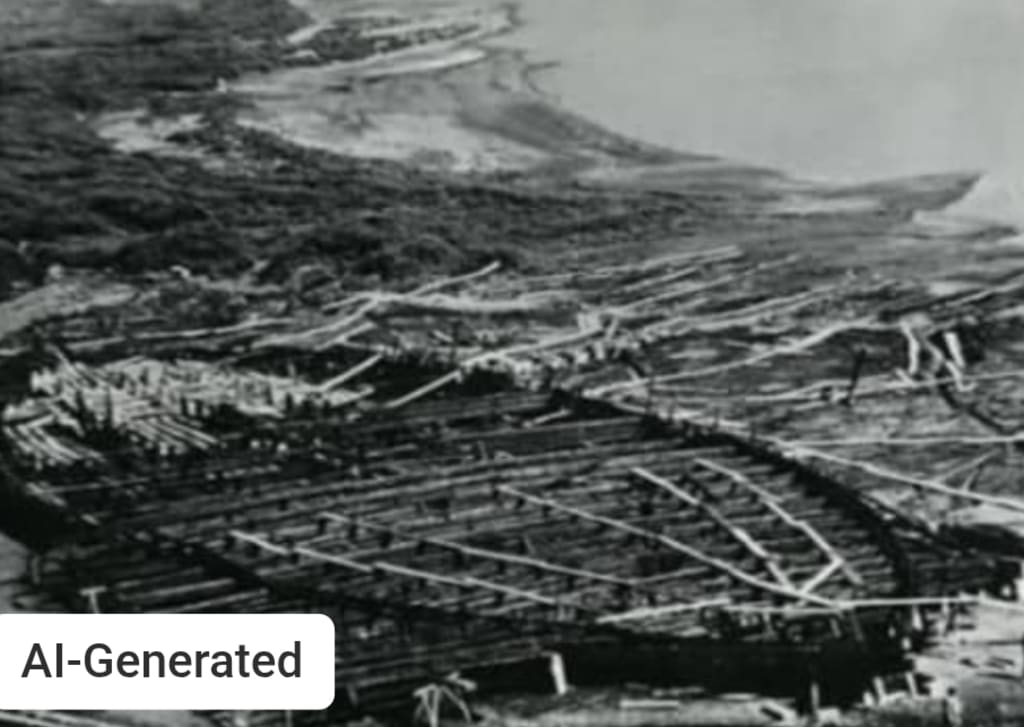
In the calm waters of Lake Nemi, a small volcanic lake in Italy’s Lazio region, history seemed to rest undisturbed for nearly two millennia. Beneath its dark surface lay treasures of Roman engineering: massive ships built for luxury and religious ceremony, remnants of a world long gone. These weren’t ordinary vessels — they were floating palaces commissioned by Emperor Caligula almost 2,000 years ago.
In the early 20th century, Italian engineers accomplished the seemingly impossible: they raised these colossal Roman ships from the depths of the lake, giving the modern world a glimpse of imperial Rome’s ambition. But just as the ships’ stories were being rediscovered, a devastating tragedy struck. During World War II, the treasures were lost to fire, leaving historians and archaeologists mourning yet another layer of cultural heritage destroyed.
A Roman Engineering Marvel Beneath the Lake
The Lake Nemi ships were extraordinary not just for their age, but for their scale and complexity. Measuring nearly 70 meters long and more than 20 meters wide, these vessels were more than floating platforms — they were fully functional palaces. Historians believe they were used by Caligula for lavish parties, religious ceremonies, and possibly even experimental engineering projects.
What made these ships especially unique was their construction. Archaeological studies indicate:
Hydraulic systems and plumbing were integrated, a feat remarkable even by modern standards.
Mosaic floors, marble cladding, and decorative statues adorned the decks, showing luxury and craftsmanship.
Advanced naval engineering techniques allowed these enormous ships to float in the shallow, calm waters of the lake without capsizing.
For centuries, the lake’s cold, murky waters preserved the wooden structures and metal fittings, protecting them from decay. They were essentially a time capsule from ancient Rome.
The Incredible Recovery in the 1920s
By the 1920s, interest in the Nemi ships reached a fever pitch. Italian engineers, under the fascist government of Benito Mussolini, decided to drain a portion of Lake Nemi to recover the vessels. This was no small feat. The project involved:
Building massive embankments to control water levels
Employing thousands of workers
Using cranes and scaffolding to lift the fragile timbers
After months of careful work, the two giant ships emerged from the lake in surprisingly good condition. Historians and engineers marveled at the level of preservation. They could see every detail of Roman shipbuilding, from hull design to ornate deck fittings.
The ships were eventually placed in a museum specially designed to protect them. Scholars from around the world traveled to study the vessels, and the public was awed by the scale and sophistication of Rome’s naval capabilities. For a brief moment, it seemed that two millennia of history had been rescued intact.
The Tragic Loss During World War II
That moment of triumph would be short-lived. In 1944, during the chaos of World War II, the museum housing the Nemi ships was destroyed in a fire. The exact cause remains a subject of debate. Some historians attribute it to:
German troops retreating from Italy, destroying cultural treasures as part of the conflict
Accidental fire amid wartime chaos
Confusion between military occupation and civilian administration
Regardless of the cause, the result was catastrophic. The Nemi ships, which had survived almost two thousand years underwater, were reduced to ashes in a matter of hours. Only photographs, sketches, and some small recovered fragments remain as evidence of these extraordinary Roman vessels.
Why the Nemi Ships Still Matter
Despite their destruction, the Nemi ships continue to captivate historians, archaeologists, and engineers. They are a window into:
Ancient Roman luxury and ceremonial life, showing the extravagance of emperors like Caligula
Engineering innovation, demonstrating naval techniques that were centuries ahead of their time
Cultural heritage, reminding the world how fragile history can be, even after millennia of survival
Modern researchers use photographs and written records to recreate digital models of the ships. These reconstructions allow us to study Roman naval technology in detail, from hull design to onboard plumbing systems.
Interestingly, the Nemi ships also inspire a cautionary tale about the preservation of cultural heritage during modern conflicts. Even when history survives centuries, human conflict can erase it in a single night.
The Legacy of Lake Nemi
Today, Lake Nemi remains a quiet, scenic spot, its surface reflecting the hills and sky above. Tourists visit the lake not just for its natural beauty, but to imagine the massive ships that once rested beneath its waters.
The story of the Nemi ships is a reminder of the impermanence of material culture and the incredible ingenuity of ancient civilizations. While the ships themselves are gone, their design, their scale, and their purpose continue to fascinate people around the world.
Digital reconstructions, scholarly research, and public exhibitions keep the memory of these floating Roman palaces alive. Scholars continue to study shipbuilding techniques, decorative elements, and historical records, piecing together the story of what was once one of the most remarkable naval achievements in human history.
Conclusion: Rediscovery and Reflection
The Nemi ships are more than ancient relics — they are symbols of human ambition, technological skill, and the fragility of our shared cultural past. Pulled from the depths after two thousand years, they briefly told the story of Roman engineering brilliance. Then, almost unbelievably, modern warfare extinguished them once again.
Yet, in their loss, they continue to teach us about the value of preservation and the ingenuity of our ancestors. And in that sense, the Roman ships of Lake Nemi remain as alive in our imagination as they ever were on the waters of Italy two thousand years ago.
About the Creator
The Saddest Thing - The Billionaires Who Rule America Aren't Even Enjoying Themselves
This single post says more about our ruling class than a thousand policy papers. The saddest thing about today's system is that the men robbing the rest of us - sabotaging our economic prospects, our pensions, our access to affordable healthcare - are not even happy.
By Scott Christenson🌴7 days ago in The Swamp
US Expresses Solidarity After Balochistan Attacks, Says It Stands ‘Steadfast’ With Pakistan
The United States has expressed strong solidarity with Pakistan following a series of deadly attacks in the southwestern province of Balochistan, reaffirming its commitment to stand “steadfast” with the country in its fight against terrorism and violent extremism. The statement comes amid heightened security concerns after coordinated assaults targeted civilians and security personnel, drawing widespread condemnation from the international community. In an official statement released by the US State Department, Washington conveyed its condolences to the families of the victims and emphasized its continued partnership with Pakistan to counter militant threats. “The United States stands steadfast with Pakistan and the Pakistani people during this difficult time,” the statement said, adding that acts of violence against innocent civilians are “unacceptable and must be confronted collectively.” Deadly Attacks in Balochistan The attacks occurred in multiple districts of Balochistan, a province that has long struggled with insurgency, separatist movements, and militant activity. According to Pakistani authorities, gunmen and suicide attackers targeted security checkpoints and public areas, killing several people and injuring dozens more. Emergency services were rushed to the scenes, while hospitals in nearby cities were placed on high alert. Security forces launched search operations to track down those responsible, sealing off affected areas and increasing patrols across major towns. Officials described the attacks as a deliberate attempt to destabilize the region and undermine development projects underway in the province. Balochistan, Pakistan’s largest province by area but least populated, has been at the center of security challenges for years. It is also a strategic region due to its mineral resources and its location along the Arabian Sea, including the Gwadar port, which is a key part of the China-Pakistan Economic Corridor (CPEC). International Condemnation The US response was among several messages of support from foreign governments and international organizations. American officials reiterated their opposition to terrorism in all its forms and stressed the importance of regional cooperation to prevent such attacks from recurring. A senior US official said Washington remains committed to working closely with Pakistan’s law enforcement and intelligence agencies. “We recognize the sacrifices Pakistan has made in combating terrorism, and we will continue to support efforts that promote peace and stability,” the official noted. The US embassy in Islamabad also issued a message of sympathy, expressing condolences to the victims’ families and wishing a swift recovery to those injured. It highlighted the long-standing security cooperation between the two countries, including joint counterterrorism initiatives and training programs. Pakistan’s Response Pakistan’s leadership strongly condemned the attacks, calling them an assault on national unity and public safety. The Prime Minister vowed that those responsible would be brought to justice and reaffirmed the government’s resolve to eliminate terrorism from the country. In a televised address, he said the violence would not deter Pakistan from pursuing economic development and regional connectivity. “Our enemies want to spread fear and chaos, but they will fail,” he stated. “The nation stands united with our security forces.” The Interior Ministry announced stricter security measures in sensitive districts of Balochistan, including increased checkpoints, intelligence-based operations, and coordination with provincial authorities. Officials also urged citizens to remain vigilant and report suspicious activity. Strategic Importance of Balochistan Analysts note that Balochistan’s security situation has broader regional implications. The province borders Iran and Afghanistan, making it vulnerable to cross-border militant movements and smuggling networks. Instability in the area also affects key infrastructure and investment projects, which are vital for Pakistan’s economic growth. The US statement of solidarity is seen as part of a broader effort to maintain stability in South Asia and prevent extremist groups from exploiting regional tensions. Washington has repeatedly emphasized that a secure and prosperous Pakistan is essential for peace in the wider region. Some observers say the renewed diplomatic support may also signal an attempt to strengthen bilateral relations after years of fluctuating ties. While cooperation between the two countries has faced challenges in the past, counterterrorism remains a shared priority. Human Cost and Community Impact Beyond the political and strategic implications, the attacks have left deep scars on local communities. Families mourned their loved ones as funeral prayers were held under heavy security. Survivors described scenes of chaos and fear, with many calling for stronger protection and justice. Human rights organizations have urged authorities to ensure that counterterrorism operations respect the rule of law and protect civilian lives. They stressed the importance of addressing not only security concerns but also the underlying social and economic grievances that fuel unrest in the province. Looking Ahead The US pledge to stand “steadfast” with Pakistan underscores the continued importance of international cooperation in addressing terrorism. Both countries have signaled that dialogue, intelligence sharing, and joint efforts will remain central to preventing future attacks. As Pakistan continues its operations in Balochistan, officials say they are determined to restore calm and ensure that development projects can proceed without disruption. For Washington, the latest statement reflects a recognition that long-term stability in Pakistan is closely linked to global security. While the investigations into the attacks continue, the message from both Islamabad and Washington is clear: violence will not be allowed to derail efforts toward peace, and those responsible will face justice.
By Fiaz Ahmed 7 days ago in The Swamp
When True Love Never Questions Your Soul
“And she’s going to learn that this life will hit you, hard, in the face, wait for you to get back up, just so it can kick you in the stomach but getting the wind knocked out of you is the only way to remind your lungs how much they like the taste of air.” — Sarah Kay’s Poem — If I Should Have a Daughter
By Chantal Christie Weiss5 days ago in Humans



Comments
There are no comments for this story
Be the first to respond and start the conversation.