
The Traitors Is Fake Scotland at Its Worst
“Critics argue hit reality show leans on outdated stereotypes and a fantasy version of Scottish culture”
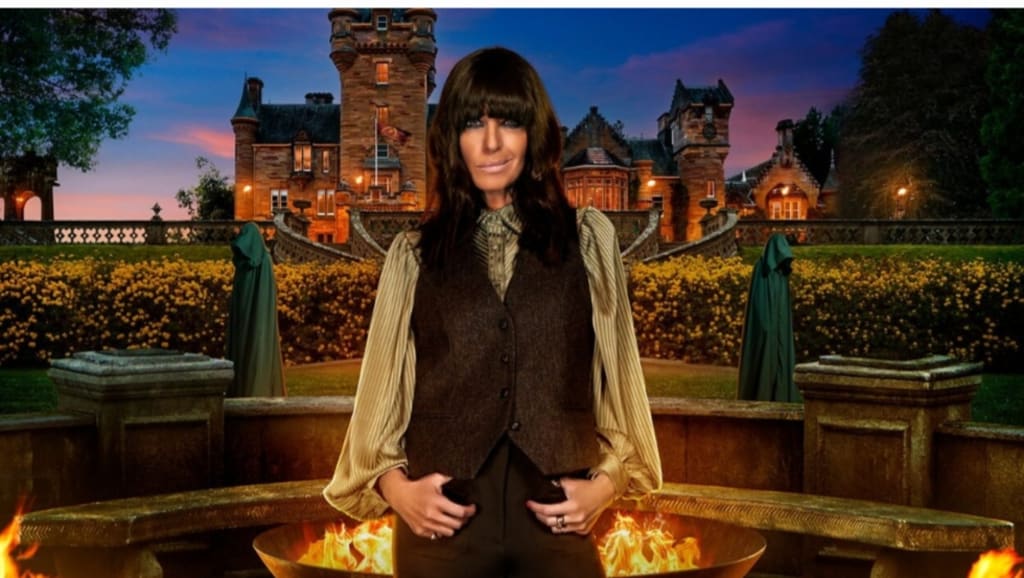
The hit reality TV show The Traitors has become a global sensation, praised for its suspense, twists, and dramatic gameplay. However, for many viewers—particularly those familiar with Scotland—the show has also sparked criticism for presenting what some describe as “fake Scotland at its worst.” From exaggerated accents and clichés to a stylized version of Scottish culture, critics argue that the series leans too heavily on stereotypes, creating a version of Scotland that feels more like a theme park than a real place.
While the show may be entertaining, its portrayal raises important questions about representation, authenticity, and how international audiences come to understand Scottish identity.
A Gothic Fantasy Version of Scotland
One of the most striking elements of The Traitors is its setting. Filmed in a dramatic castle environment, the show leans into a dark, gothic aesthetic filled with misty landscapes, torch-lit corridors, and medieval-style imagery.
While Scotland is indeed home to many historic castles and breathtaking scenery, critics argue that the show presents a fantasy version of the country, one that exaggerates its “dark and mysterious” reputation. This aesthetic may work for television drama, but it risks reducing Scotland to a collection of spooky visuals rather than a modern, diverse nation.
For many Scottish viewers, this portrayal feels outdated and misleading.
Accents, Stereotypes, and Caricatures
Another common criticism is the use of exaggerated accents and character tropes. Whether through voiceovers, host presentation, or background music choices, the show often leans into what some describe as “Hollywood Scotland.”
This includes:
Over-the-top Scottish accents
Heavy use of bagpipes and traditional music
Visual cues that emphasize tartan, stone walls, and medieval imagery
While these elements are part of Scotland’s cultural heritage, critics argue that their repeated use turns them into caricatures, reinforcing stereotypes rather than reflecting the complexity of real Scottish life.
Entertainment vs. Authenticity
Defenders of The Traitors point out that it is, first and foremost, a reality TV show designed for entertainment. The dramatic setting and stylized version of Scotland are intended to enhance the atmosphere and make the show more engaging for international audiences.
From this perspective, the show is not meant to be a documentary or a cultural guide. Its creators are focused on:
Creating suspense and mystery
Building a visually striking environment
Enhancing storytelling through mood and setting
However, critics counter that even entertainment media has a responsibility to avoid lazy cultural shortcuts, especially when a country is being used as a central part of the show’s identity.
How International Audiences Perceive Scotland
One of the biggest concerns is how international viewers interpret what they see. For audiences unfamiliar with Scotland, The Traitors may become a primary reference point for what the country is “like.”
This can lead to:
A narrow and outdated perception of Scottish culture
The belief that Scotland is primarily medieval, gloomy, and mysterious
Overlooking modern Scottish cities, innovation, and everyday life
Scotland today is a dynamic, modern nation with thriving cities, diverse communities, and a rich contemporary culture that goes far beyond castles and clichés.
Missed Opportunities for Real Representation
Critics argue that The Traitors represents a missed opportunity. With its massive global audience, the show could have showcased:
Modern Scottish architecture and urban life
Contemporary Scottish voices and accents
A broader view of Scotland’s culture, creativity, and diversity
Instead, by relying on familiar tropes, the show reinforces a version of Scotland that many locals feel they no longer recognize.
Why These Portrayals Matter
Cultural representation in media is not just about accuracy—it shapes how people are seen and understood globally. When a country is repeatedly portrayed through a narrow lens, it can affect:
Tourism expectations
Cultural stereotypes
How people from that country are perceived abroad
For Scots who already feel that their culture is often simplified or misunderstood, shows like The Traitors can feel like yet another example of style over substance.
The Business of Stereotypes
From a production standpoint, stereotypes are often used because they are instantly recognizable. They help quickly establish setting and tone without requiring deeper explanation.
In that sense, “fake Scotland” becomes a kind of branding tool:
Easy for global audiences to recognize
Visually dramatic and marketable
Familiar from decades of film and TV portrayals
But critics argue that this convenience comes at the cost of authenticity and respect for real cultural complexity.
Audience Reactions and Online Debate
Online, reactions to The Traitors have been mixed. Many fans love the show for its tension, gameplay, and dramatic flair. Others, especially Scottish viewers, have taken to social media to express frustration at what they see as a cartoonish version of their country.
Some comments highlight:
Fatigue with the same old Scottish tropes
Desire to see more realistic portrayals
Frustration that global hits still rely on outdated imagery
This debate reflects a wider conversation about how smaller nations and cultures are represented in global media.
Conclusion
The Traitors may be a gripping and successful reality show, but its portrayal of Scotland has left many viewers questioning whether it represents “fake Scotland at its worst.” By leaning heavily on gothic imagery, exaggerated accents, and cultural clichés, the series risks reducing a modern, complex country into a stylized fantasy.
While entertainment will always involve some level of exaggeration, there is growing pressure on creators to move beyond stereotypes and offer more nuanced, authentic portrayals. For Scotland—and for audiences who care about real representation—the hope is that future productions will choose depth over clichés and reality over recycled imagery.
About the Creator
Keep reading
More stories from Aarif Lashari and writers in The Swamp and other communities.
Glenfarne Announces Major Phase One Alaska LNG Milestones, with Construction, Line Pipe Supply, and In-State Gas Agreements
Glenfarne Group has announced a series of major milestones for Phase One of the Alaska LNG project, marking a significant step forward for one of the most ambitious energy infrastructure developments in the United States. The company confirmed progress across construction planning, line pipe supply contracts, and in-state gas agreements, signaling growing momentum for a project long viewed as critical to Alaska’s energy future.
By Aarif Lashari2 days ago in The Swamp
“Gaza Is Our Show”: U.S. Pushes Its Plan Over Netanyahu’s Objections
The phrase “Gaza is our show” has quietly become one of the most revealing summaries of Washington’s posture in the ongoing Gaza crisis. Behind closed doors and through carefully calibrated public signals, the United States has been pushing its own plan for Gaza’s future—often in direct conflict with the objections of Israeli Prime Minister Benjamin Netanyahu. This growing divergence highlights not only tensions within one of the world’s most important alliances, but also a shift in how the U.S. views its role as the ultimate power broker in the Middle East.
By Aqib Hussain7 days ago in The Swamp



Comments
There are no comments for this story
Be the first to respond and start the conversation.