
The Swamp: Nature’s Mysterious and Vital Wetland
Exploring the hidden beauty, rich ecosystems, and crucial role swamps play in our environment and culture.

Swamps are some of the most fascinating and misunderstood landscapes on Earth. Often painted as dark, murky, and eerie places in stories and movies, swamps hold a rich and vibrant world teeming with life. They are more than just wetlands filled with water and trees—they are vital ecosystems that support incredible biodiversity, protect our environment, and have shaped human culture and history in surprising ways.
At first glance, swamps might seem gloomy or even forbidding. Their waters can be still or slow-moving, covered with floating plants, surrounded by twisted roots and towering trees dripping with moss. But beneath that surface lies a bustling habitat. Swamps provide a home for countless species of animals, birds, fish, amphibians, and insects. From alligators and turtles to herons and dragonflies, these wetlands are a haven for wildlife that often can’t survive anywhere else.
One of the most important roles swamps play is their ability to filter and clean water. Acting as natural water purifiers, swamps trap pollutants, sediments, and nutrients before they reach rivers, lakes, or oceans. This filtration helps maintain water quality and supports the health of surrounding ecosystems. Without swamps, many water systems would be dirtier and less reliable for both humans and wildlife.
Swamps are also crucial for flood control. Their sponge-like soils absorb and slowly release excess rainwater, reducing the impact of storms and preventing sudden floods. This buffering capacity protects communities nearby and supports agriculture and natural habitats alike. In a time when extreme weather events are becoming more frequent, the role of swamps in climate resilience is more important than ever.
The vegetation in swamps is unique and specially adapted to life in waterlogged, oxygen-poor soils. Trees like cypress and mangroves grow “knees” or aerial roots that help them breathe and stay stable. Plants such as water lilies float on the surface, while carnivorous plants like pitcher plants capture insects to survive in nutrient-poor conditions. This diversity of flora creates layers of habitats, supporting different animals and contributing to the swamp’s complex food webs.
Human history and culture have long been intertwined with swamps. For indigenous communities around the world, swamps have been a source of food, medicine, and spiritual significance. Many cultures view swamps as sacred places—mysterious landscapes that connect the physical world with the spiritual. Stories, myths, and folklore often feature swamps as homes to spirits, monsters, or wise creatures, reflecting their enigmatic nature.
Despite their importance, swamps have often been misunderstood and undervalued. In the past, many swamps were drained or filled to create farmland, settlements, or industrial sites. This destruction led to habitat loss, declining water quality, and increased flooding. Fortunately, there is growing awareness of the ecological value of swamps. Conservation efforts now aim to protect, restore, and manage these wetlands sustainably.
Modern science continues to uncover the incredible functions swamps perform in our environment. They store vast amounts of carbon, helping to mitigate climate change by trapping greenhouse gases. They support migratory birds, serve as breeding grounds for fish, and maintain biodiversity hotspots. Protecting swamps is not only about preserving wildlife—it’s about safeguarding vital natural services that support human life.
Visiting a swamp can be a transformative experience. The sounds of buzzing insects, croaking frogs, and calling birds create a symphony that connects visitors to the rhythms of nature. Walking along boardwalks or paddling through calm waters offers a chance to observe life thriving in an environment that feels both ancient and alive. Swamps teach patience and observation, revealing secrets slowly to those who take the time to look.
In literature and art, swamps have inspired countless works, symbolizing mystery, danger, and transformation. They are places where characters face challenges, discover truths, or undergo changes. This symbolic power reflects the real complexity of swamps—they are places of life and death, growth and decay, calm and chaos. Understanding swamps enriches our appreciation not only of nature but of the stories and cultures shaped by these wetlands.
As we face growing environmental challenges, swamps remind us of the importance of balance. They show how water, land, plants, and animals interact in delicate harmony. Protecting these ecosystems requires respect, knowledge, and action. It means valuing wetlands not as wastelands or obstacles, but as essential parts of the planet’s health.
In the end, swamps are much more than their reputation suggests. They are living, breathing worlds of beauty and complexity. They nurture life, protect communities, and inspire wonder. The next time you think of a swamp, try to see beyond the shadows and mud. Imagine the countless creatures hidden among the roots, the quiet power of water moving through the landscape, and the deep history carried by every tree and plant. Swamps are a reminder that some of the most vital parts of our world are also the most mysterious—and that protecting them protects us all.
About the Creator
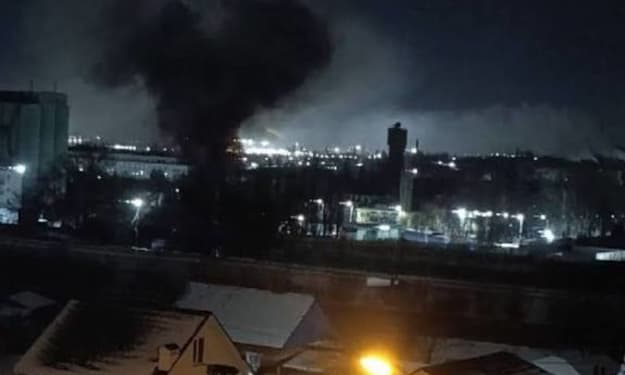
The Biggest Factory Powering Russia’s Missiles Comes Under Drone Attack, Video Surfaces
A video circulating online has revealed a dramatic development in Russia’s military infrastructure: the country’s largest factory responsible for producing missile components came under a drone attack, highlighting vulnerabilities in Russia’s defense supply chain. While the exact scale of damage is still being assessed, the incident underscores the growing role of drone warfare in modern conflicts and raises concerns about the resilience of strategic military production facilities. The Targeted Facility The facility in question is a key production hub for Russia’s missile program, reportedly responsible for manufacturing critical components used in both short-range and long-range systems. Analysts note that disruptions to operations at this plant could significantly impact Russia’s ability to sustain missile launches, particularly as tensions with neighboring countries and Western powers remain high. The drone strike, captured in grainy but compelling footage, shows explosions and plumes of smoke rising from the complex, with structural damage evident across multiple sections of the factory. While official Russian sources have downplayed the attack’s impact, independent analysts warn that even minor disruptions can delay production cycles for high-precision missile components, which are notoriously difficult to manufacture. The Rise of Drone Warfare This incident illustrates the increasing use of drones as offensive tools in modern warfare. Small, precise, and relatively inexpensive compared to traditional airstrikes, drones can penetrate heavily defended areas and target high-value facilities with minimal risk to personnel. Over the past several years, military strategists have recognized drones as a game-changer, capable of tipping the balance in conflicts where conventional forces struggle to reach key infrastructure. In this case, the drone attack demonstrates the potential vulnerability of even heavily fortified industrial complexes. It also signals that military planners must now account for aerial threats at all levels of production, from weapons assembly to supply chain logistics. Strategic Implications The attack on Russia’s missile factory has significant strategic implications. First, it puts pressure on Moscow’s military planners to diversify production sites and strengthen defense measures around critical facilities. Reliance on a single, centralized factory for essential missile components increases the risk of operational bottlenecks if targeted again. Second, the strike could temporarily disrupt missile readiness, potentially affecting regional military posturing. While Russia possesses multiple production lines and stockpiles, delays in component manufacturing could slow replenishment cycles for both active deployments and training exercises. In a tense geopolitical environment, even short-term interruptions can influence diplomatic negotiations and military decision-making. Finally, the attack highlights the evolving nature of asymmetric warfare. Smaller, agile forces equipped with drones can strike at the heart of larger powers’ capabilities, leveling the playing field in conflicts where conventional military strength may otherwise dominate. Russia’s Response While Moscow has yet to release detailed assessments of the damage, preliminary reports suggest heightened security measures across other key defense facilities. Military analysts predict that the Russian government will likely accelerate efforts to harden production sites against drone strikes, using technologies such as radar detection systems, anti-drone countermeasures, and dispersed production strategies. Publicly, Russian media has framed the attack as an isolated incident and an external provocation, though the video’s circulation has sparked international debate about the vulnerability of critical military infrastructure. The Russian Ministry of Defense has reportedly initiated an internal review to determine the effectiveness of existing security protocols and explore measures to prevent future incidents. Lessons for Global Military Planning The incident underscores a broader lesson for militaries worldwide: the centralization of strategic production assets can be a liability in the age of drone warfare. Even technologically advanced nations are not immune to attacks on critical infrastructure, and conventional defenses may not suffice against small, precise aerial vehicles. For countries facing ongoing or potential conflict, investing in redundancy, dispersal, and drone countermeasure technologies is now as essential as traditional armor and air defense systems. The attack also demonstrates that transparency, intelligence gathering, and surveillance of vulnerable sites are critical components of national security strategy. Looking Ahead As investigations continue, the global defense community is watching closely. The video of the drone attack has already sparked debates over the evolving nature of warfare, the vulnerability of missile production facilities, and the potential ripple effects on international security. Whether the factory will fully recover, and how Moscow will adapt its military-industrial operations, remains uncertain. What is clear, however, is that the age of drone-enabled precision strikes has arrived, challenging traditional notions of military invulnerability and redefining how nations safeguard their strategic assets. In the coming months, the ramifications of this attack could influence both Russian military operations and broader global defense strategies. For countries seeking to protect critical infrastructure, the message is unmistakable: preparedness against drone threats is no longer optional—it is imperative.
By Fiazahmedbrohi 7 days ago in The Swamp



Comments
There are no comments for this story
Be the first to respond and start the conversation.