
The Silent Squeeze: How the Global Cost-of-Living Crisis Is Reshaping Everyday Life in the U.S. and Europe
A deep dive into why food, fuel, housing, and survival have become harder than ever — and what this economic “pressure cooker” means for the future.

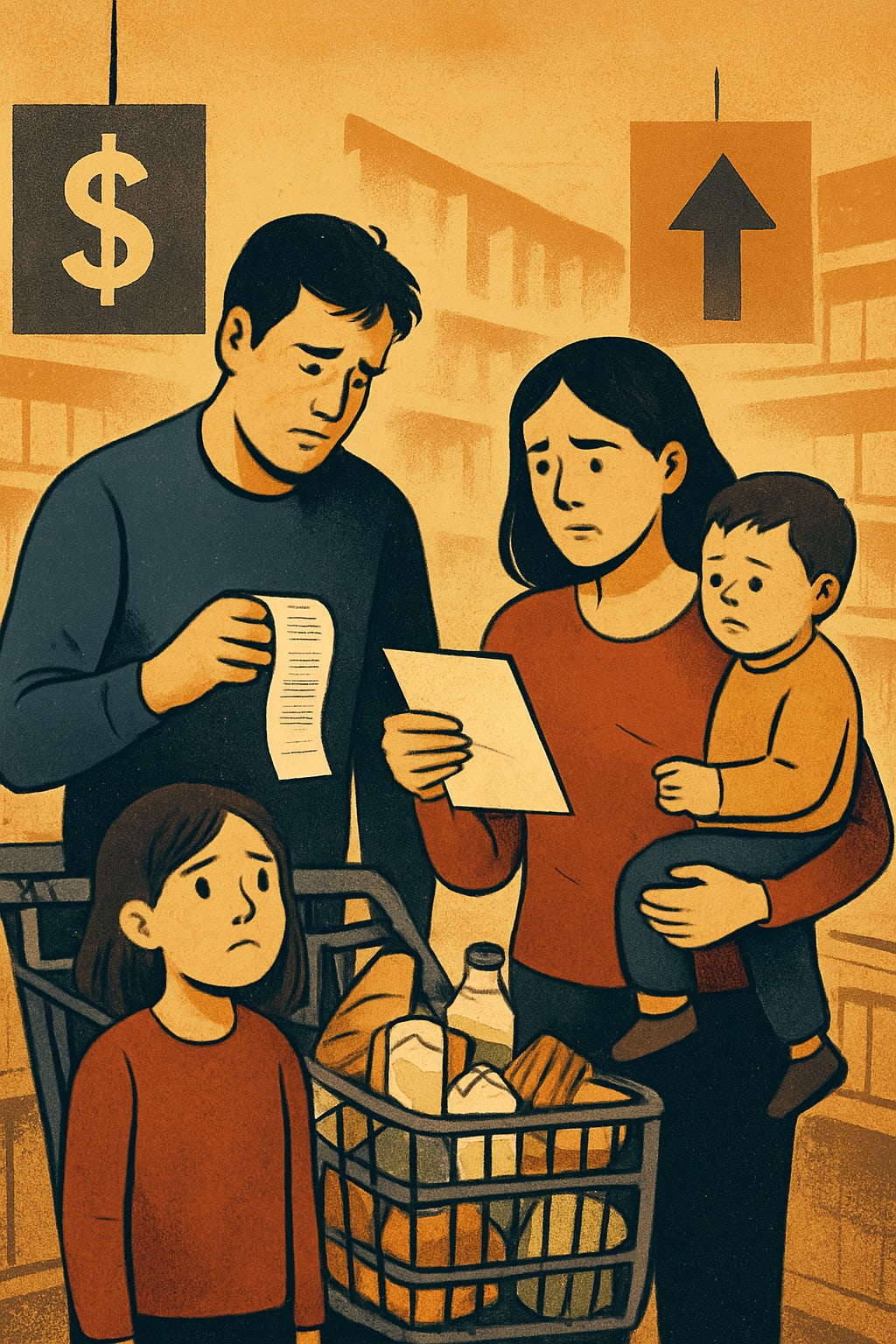
The New Reality Nobody Voted For
People expected 2025 to bring recovery, stability, and a return to “normal life.” Instead, the world walked straight into a crisis that arrived quietly but settled deeply into every home: the cost-of-living squeeze.
Inflation, rising rents, expensive groceries, unstable markets, shrinking savings — it all blends into a pressure that millions can feel but few fully understand.
In the United States, Europe, and large parts of the world, families are asking the same question:
“Why is everything suddenly so expensive?”
This article unpacks the reasons, the ripple effects, the human stories behind the numbers — and the future that might be taking shape right under our feet.
A Crisis With No Single Cause
Economic shocks rarely arrive alone. This one is a whole chain reaction.
Pandemic Aftershocks
Lockdowns slowed production, broke supply chains, and pushed companies into survival mode. Even after the world reopened, many industries never returned to their previous pace.
War-Driven Uncertainty
Conflicts in Eastern Europe, the Middle East, and other regions have pushed up oil, grain, and shipping prices. When supply chains tremble, consumer wallets suffer.
Energy-Price Volatility
Europe, especially, has experienced extreme energy swings — heating, electricity, and fuel costs skyrocketed. When energy rises, everything rises: food, transport, industry, rent.
Government Policies & Interest Rates
Countries increased interest rates to control inflation, but this also made loans, mortgages, and credit cards more expensive. The result?
People pay more even when they earn the same.
This is the “perfect storm” economists warned about — and it's unfolding in real time.
The Grocery Store Has Become the New Battlefield
A trip to the supermarket, once routine, now feels like a strategic mission.
In the United States:
Prices of eggs, bread, milk, water, and fresh vegetables have jumped dramatically. Families now compare brands, switch to bulk buying, follow discount cycles, or stock up during sales like survivalists.
In Europe:
In countries like the U.K., Germany, France, and Italy, families are cutting back on meat, coffee, cheese, fruits, and even baby products.
Many middle-class households — traditionally stable — now experience what experts call “food insecurity lite.”
You don’t starve; you just eat differently… and nervously.
Psychologists say this shift affects mental well-being as much as physical budgeti
The Housing Crisis: Renting vs. Reality
Housing is the biggest punch of all.
In America
Rents have jumped 20–35% in major cities
Mortgage rates are the highest in decades
Many young adults cannot move out or buy homes
Families are downsizing to survive
Some people now live in:
shared rentals
micro-apartments
converted garages
even cars
The “American Dream” is being rewritten, and housing is its saddest chapter.
In Europe
The situation is equally intense:
London is now one of the world’s least affordable cities
German rents in cities like Berlin and Munich have exploded
Spain, Portugal, and Italy face foreign-investment-driven housing pressure
Nordic countries are battling mortgage stress
Across the continent, families are facing a reality that feels almost unfair:
Work more. Earn less. Pay more. Live smaller.
The Middle Class Is Quietly Shrinking
This crisis has created two groups:
1. Those who can absorb higher prices
2. Those who cannot — and fall into silent struggle
Middle-class people now work multiple jobs just to maintain last year’s lifestyle.
Teachers drive ride-hailing cars after school
Nurses take night shifts for extra cash
Students choose between tuition and rent
Retirees reconsider returning to work
The rising “gig-economy lifestyle” is less about choice and more about survival.
The Psychology of Constant Pressure
Economists discuss numbers.
People live emotions.
The crisis has created:
anxiety about the future
guilt when spending on anything non-essential
fear of losing stability
daily financial stress
emotional burnout
Studies show that financial insecurity affects sleep, relationships, and mental health.
Money problems are no longer “personal” — they’re structural.
Why This Crisis Feels Different
People have lived through recessions before — but this one cuts deeper because:
prices rise faster than salaries
savings evaporate quickly
basic needs (food, rent, utilities) are affected
global instability makes recovery unpredictable
the middle class has less protection than ever
This isn’t just an economic crisis.
It’s a lifestyle crisis, a psychological crisis, and a generational crisis.
Who Is Hurt the Most?
Even though this is a global issue, three groups suffer disproportionately:
1. Families with children
Food, school costs, transport, heating — everything becomes heavier.
2. Young adults
Job instability + high rents + student loans = a life paused.
3. Low-income households
Even small price hikes create impossible choices: “Pay the rent or pay for medicine?”
“Buy food or fill the gas tank?”
These choices shape a person’s dignity and hope.
Is There Any Hope? Yes — But It Requires Change
Economists see several possible paths forward.
1. Renewed Government Interventions
Subsidies, food support, rent control, energy caps — anything that reduces pressure on households.
2. Wage Adjustments for a New Era
Many countries are debating higher minimum wages or inflation-indexed salaries.
3. Technological Innovation
Automation, AI, remote work, and digital economies may help reduce living costs.
4. Community-Driven Support
Shared housing models, co-op grocery stores, digital freelancer platforms — the world is quietly evolving.
Change is slow, but it’s coming.
A Turning Point in Modern Life
The cost-of-living crisis is more than numbers on receipts.
It is reshaping:
how we eat
how we work
how we dream
how we build families
how we plan futures
It may be one of the defining social transformations of our generation.
When historians look back at the 2020s, they may call this decade:
“The Age of Economic Pressure.”
But pressure, as science teaches, can also create transformation —
and sometimes, diamonds.
About the Creator
Amanullah
✨ “I share mysteries 🔍, stories 📖, and the wonders of the modern world 🌍 — all in a way that keeps you hooked!”
The steps to losing a child
Step One: Lose a child. Not what anyone wants to happen and nothing you can do to change it, but you can go through steps to becoming happy again. You can go through steps to loving again. You can go through steps to become a new you because after losing a child you will never be the same person you once were.
By Tabitha Hinkley3 days ago in Fiction


Comments (1)
Good article 👍