
A Ghost Town Votes in Myanmar Election’s Second Phase
Empty streets, abandoned homes, and armed checkpoints define a controversial ballot held amid civil war.

Introduction
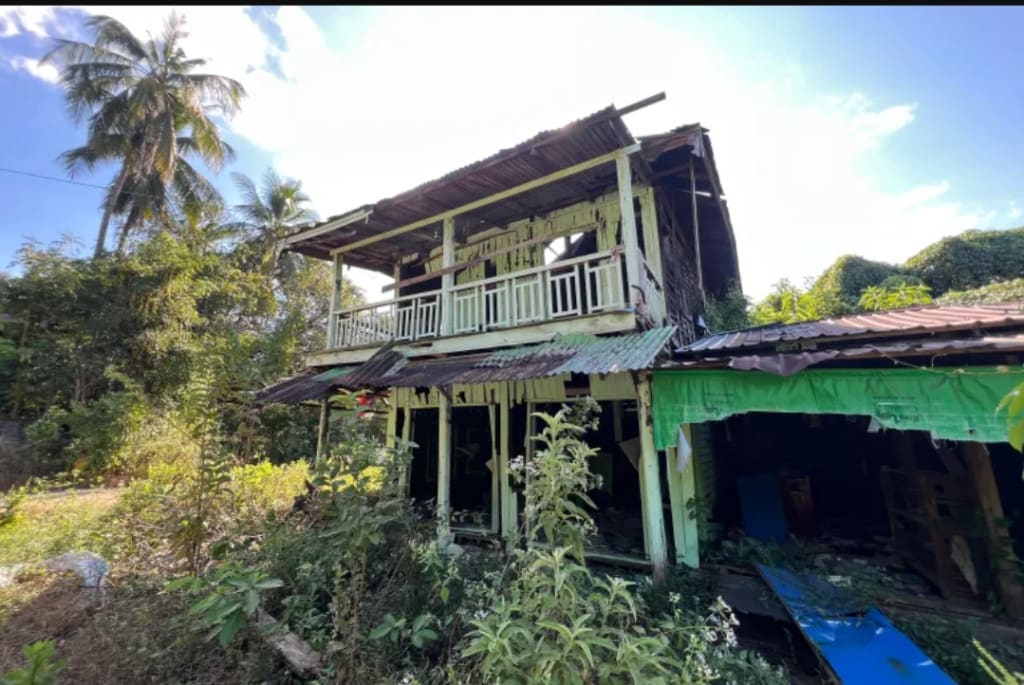
Myanmar’s military-led election entered its second phase under extraordinary circumstances, with one of the most striking moments unfolding in a town that no longer has residents. In a place reduced to rubble by years of conflict, ballot boxes were opened, officials stood guard, and votes were cast — even as the streets remained silent.
The image of a ghost town participating in a national election has become a powerful symbol of the country’s ongoing political crisis and the deep divide between official narratives and lived reality.
From Thriving Town to Silent Streets
Once a functioning regional center, the town had schools, markets, government offices, and busy neighborhoods. Today, burned-out buildings, overgrown roads, and warning signs for landmines define the landscape.
Years of fighting between Myanmar’s military and resistance forces forced residents to flee, leaving behind homes and livelihoods. Entire neighborhoods now stand empty, their only visitors being soldiers, election officials, and patrol units tasked with securing the area.
Despite the absence of civilians, the town was still listed as an official voting constituency in the second phase of the election.
Voting Under Military Guard
Polling stations were set up in secured locations, often far from former residential areas. Armed personnel controlled access points, while election staff operated under strict security protocols.
In some cases, voting was conducted in military compounds or temporary facilities rather than traditional polling centers. Authorities described the process as orderly, but turnout figures remained unclear, particularly in areas where the population has been displaced or scattered across neighboring regions.
For many displaced residents, participation was impossible due to safety concerns, lack of transportation, or complete disengagement from the political process.
Displacement and Disconnection
Millions of people across Myanmar have been displaced since the military takeover, and for many of them, elections feel distant from daily survival. Families living in temporary shelters or forest camps are more concerned with food, healthcare, and security than voting.
Former residents of the ghost town say they were either unaware of the election or felt it had no relevance to their lives. Communication networks are limited, movement is restricted, and trust in political institutions has eroded sharply.
This disconnect raises serious questions about representation and consent in regions deeply affected by conflict.
A Widely Contested Election
The broader election itself has been heavily criticized by opposition groups, civil society organizations, and international observers. Many major political parties were dissolved or barred from participating, leaving the ballot dominated by military-aligned groups.
Arrests, censorship, and ongoing violence have further undermined confidence in the process. In large parts of the country, elections have not been held at all due to insecurity, making the vote geographically uneven and politically fragmented.
The second phase of voting, rather than easing tensions, has highlighted the extent to which normal democratic processes have been disrupted.
Symbolism Over Substance
The act of voting in a town without residents has become a potent symbol of Myanmar’s current political moment. While officials emphasize procedure and completion, critics argue that the election prioritizes form over substance.
Ballots may be cast, but meaningful participation — rooted in free choice, safety, and informed consent — remains absent for millions. The ghost town vote illustrates how elections can continue on paper even when the social fabric that gives them meaning has unraveled.
What Lies Ahead
With additional voting phases planned, Myanmar’s political future remains uncertain. Ongoing conflict, economic hardship, and humanitarian crises continue to dominate daily life for much of the population.
Whether the election will bring stability or deepen divisions is an open question. For now, the image of a deserted town holding an election stands as a stark reminder of a nation struggling to reconcile governance with reality.
Conclusion
The second phase of Myanmar’s election has exposed the deep contradictions at the heart of the country’s political process. A ghost town casting votes amid ruins reflects not civic revival, but the enduring impact of war, displacement, and mistrust. While authorities move forward with electoral timelines, vast segments of the population remain excluded — not by choice, but by circumstance. Until peace, safety, and genuine participation are restored, such elections risk becoming symbols of division rather than steps toward reconciliation.
About the Creator
Asad Ali
I'm Asad Ali, a passionate blogger with 3 years of experience creating engaging and informative content across various niches. I specialize in crafting SEO-friendly articles that drive traffic and deliver value to readers.
Parallel Protests
I haven't written for quite some time, but I have A LOT of thoughts about yesterday's protest rally against our government's involvement and complicity in America's war on Iran, on the harbourside of my home city Bristol, and I need to put them somewhere. My gorgeous girlfriend is always a loving and listening ear and sharing it all with her will always be a healthy and happy way of processing the mental and emotional weight, but getting it straight in my brain to share means writing it all down in straight lines, so, here we are and thanks for being here.
By Steph Cole7 days ago in The Swamp



Comments
There are no comments for this story
Be the first to respond and start the conversation.