
🗳️ "The Power Within: How Young Voters and Activists Are Changing the Civic Game"
Igniting voices, challenging systems, and shaping tomorrow—one vote, one cause at a time.


In a time of rapid change and global uncertainty, one truth is crystal clear: the world needs engaged, empowered young voices now more than ever. From climate change to education reform, racial justice to digital privacy, young activists and first-time voters are no longer waiting on the sidelines. They're stepping up, speaking out, and reshaping democracy itself—one powerful action at a time.
🔥 The Rise of Youth-Led Movements
“The duty of youth is to challenge corruption.” — Kurt Cobain
Today's youth are not just passive observers of politics; they are creators of movements. Consider Greta Thunberg's global climate strikes or the Parkland survivors launching a national conversation on gun reform. From Black Lives Matter to Fridays for Future, many of the boldest, most disruptive social justice campaigns of the 21st century have been led by young people.
Social media has become their megaphone. What used to require rallies, and printed flyers can now be organized through an Instagram post or TikTok video. This immediacy has turned students, artists, and digital natives into overnight changemakers.
🗳️ From Protest to Policy: Why Voting Still Matters
While street protests capture attention, real change often happens in voting booths. Yet, youth voter turnout has traditionally been low. The good news? That’s changing.
According to a Tufts University study, more than 50% of Americans aged 18–29 voted in the 2020 U.S. presidential election—the highest youth turnout in modern history. The message is clear: Gen Z and young millennials are beginning to realize that policy follows participation.
When young voters show up, the issues they care about—mental health, climate action, education access, and student debt—get priority on legislative agendas. But when they stay home, those concerns go unheard.
💡 Why Civic Engagement Needs Rebranding
One major barrier to youth participation is the belief that politics is “boring,” “corrupt,” or “too complicated.” And honestly, who can blame them?
Civic engagement has often been presented as a dry, bureaucratic duty instead of the powerful, revolutionary act it truly is. It’s time to rebrand it.
Activism isn’t just protests. It’s creating art that speaks truth. It’s building community gardens in food deserts. It’s holding school boards accountable. Voting isn’t just a checkbox—it’s a declaration of values.
📣 Empowerment Through Education
“Young people are not apathetic—they're misinformed, underinformed, or overwhelmed.”
— A civic educator
Empowerment starts with education. Civic classes in schools must move beyond outdated textbook summaries of the Constitution. Students should be learning how to attend town halls, how to fact-check news sources, how to draft a petition, or how to run for local office.
In addition, voter registration should be as easy and accessible as joining a student club. Schools, colleges, and communities can create voter engagement hubs that simplify the process and eliminate confusion.
🌐 Activism in the Digital Age
Digital tools have made activism more accessible than ever. With a few clicks, young people can:
• Start a petition that reaches millions
• Host virtual rallies
• Launch crowdfunding for social justice causes
• Collaborate with global communities
But digital activism must be paired with real-world action. Hashtag campaigns can spark awareness—but sustainable change demands follow-through.
👣 How to Get Involved (And Stay Involved)
If you're a young person wondering how to begin your civic journey, here’s a quick roadmap:
1. Register to vote and encourage your friends to do the same.
2. Follow local government news, not just national headlines.
3. Join (or start) a cause you care about—be it climate, education, or human rights.
4. Attend local town halls and school board meetings.
5. Use social media to elevate unheard voices and spread accurate information.
6. Hold elected officials accountable through emails, petitions, and peaceful protest.
✊ The Road Ahead
Empowering youth is not a one-time campaign. It’s a cultural shift. The systems that silence young voices are slowly being dismantled—but that progress depends on momentum.
Communities, educators, and leaders must invest in youth leadership, amplify youth voices, and remove institutional barriers that discourage civic participation. That includes reforming voter ID laws, increasing civic education funding, and creating youth advisory councils in government.
“Never doubt that a small group of thoughtful, committed citizens can change the world; indeed, it's the only thing that ever has.” — Margaret Mead
________________________________________
🧠 Final Thoughts
We are witnessing a generational awakening. Young voters and activists are not just the future of democracy—they are its present pulse. When they are informed, inspired, and included, democracy thrives.
So, let’s nurture that power. Let’s listen. Let’s support. Let’s engage. And most importantly, let’s vote.
Because real change starts with one empowered voice—and multiplies when millions join in.
About the Creator
Irfan Ali
Dreamer, learner, and believer in growth. Sharing real stories, struggles, and inspirations to spark hope and strength. Let’s grow stronger, one word at a time.
Every story matters. Every voice matters.
Bethany Beyond the Jordan: The Sacred Place of Jesus’ Baptism
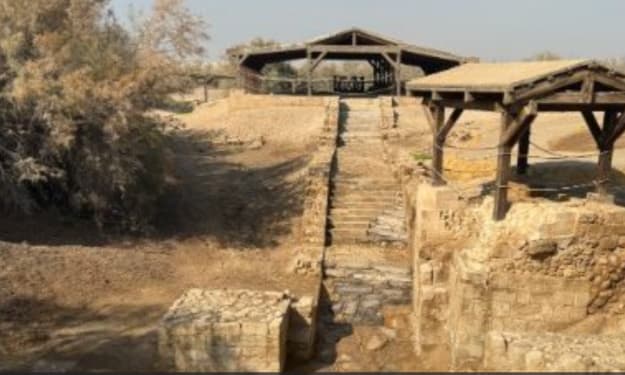
A Sacred Place Hidden in Plain Sight Along the eastern bank of the Jordan River, just a short distance from the Dead Sea, lies a place revered by millions of Christians around the world: Bethany Beyond the Jordan. Known in Arabic as Al-Maghtas, this site is widely recognized as the location where Jesus Christ was baptized by John the Baptist. Though modest in appearance, its spiritual weight is immense, making it one of the holiest places in Christianity. Unlike grand cathedrals or bustling pilgrimage cities, Bethany Beyond the Jordan offers something rare—silence, simplicity, and a powerful sense of sacred history. It is here, according to Christian tradition and strong archaeological evidence, that Jesus’ public ministry began. Biblical Roots of Bethany Beyond the Jordan The Gospel of John provides the clearest reference to this site, describing it as “Bethany beyond the Jordan, where John was baptizing.” For centuries, scholars debated the exact location of this biblical Bethany. Some believed it lay west of the river, while others argued for the eastern bank. Modern archaeology has largely settled the debate. Excavations in Jordan uncovered ancient baptism pools, churches, monasteries, and water systems dating back to the Roman and Byzantine periods—all pointing to this area as the original baptism site. Early Christian pilgrims also recorded journeys to this very location, strengthening its authenticity. John the Baptist and the Meaning of Baptism Bethany Beyond the Jordan is inseparable from the figure of John the Baptist, a prophet who preached repentance and spiritual renewal. His act of baptizing Jesus transformed baptism from a symbol of repentance into a cornerstone sacrament of Christianity. The baptism of Jesus represents humility, obedience, and divine affirmation. According to scripture, the heavens opened, the Holy Spirit descended like a dove, and a voice declared Jesus as God’s beloved Son. This moment marks the beginning of Jesus’ mission and gives the site its profound theological importance. For believers, standing near the waters of the Jordan is not just about history—it is about reconnecting with faith at its source. Archaeology That Brings Scripture to Life What sets Bethany Beyond the Jordan apart from many holy sites is the strength of its archaeological record. Researchers have uncovered: Ruins of early Christian churches built to honor the baptism site Monastic cells where early monks lived and prayed Large baptism pools used by pilgrims Ancient water channels connecting the site to the Jordan River These findings show that Christians revered this location from the earliest centuries of the faith. Rather than relying solely on tradition, Bethany Beyond the Jordan is supported by physical evidence that aligns closely with biblical descriptions. Recognition as a World Heritage Site In 2015, UNESCO officially recognized Bethany Beyond the Jordan as a World Heritage Site, citing its outstanding universal value and deep religious significance. This recognition placed the site alongside the world’s most important cultural and spiritual landmarks. Jordan’s role in preserving and promoting the site has been widely praised. Despite being located in a region often associated with conflict, Bethany Beyond the Jordan stands as a symbol of peace, coexistence, and shared heritage among Christians, Muslims, and Jews. A Place of Pilgrimage and Papal Visits Over the years, Bethany Beyond the Jordan has welcomed pilgrims from every corner of the world. Many describe their visit as deeply emotional, even transformative. The quiet landscape, combined with the slow flow of the Jordan River, creates an atmosphere of reflection rarely found at more crowded holy sites. Several popes, including Pope John Paul II, Pope Benedict XVI, and Pope Francis, have visited the site, reinforcing its importance within the global Christian community. These visits also elevated international awareness of Jordan as a custodian of Christian holy places. The Jordan River: More Than Just Water The Jordan River itself holds immense symbolic power. In the Bible, it represents transition, renewal, and divine intervention. From the Israelites crossing into the Promised Land to Jesus’ baptism, the river is a recurring setting for spiritual turning points. At Bethany Beyond the Jordan, the river becomes more than geography—it becomes theology. For many pilgrims, touching or seeing its waters is a reminder of spiritual cleansing and new beginnings, echoing the meaning of baptism itself. Interfaith Importance and Cultural Harmony While Bethany Beyond the Jordan is a Christian holy site, its significance extends beyond one faith. Jordan, a Muslim-majority country, has actively protected Christian heritage, offering a powerful example of interfaith respect. The site demonstrates how sacred spaces can unite rather than divide. In a region often portrayed through the lens of conflict, Bethany Beyond the Jordan tells a different story—one of shared history, mutual reverence, and peaceful coexistence. Visiting Bethany Beyond the Jordan Today Today, the site is carefully managed to preserve its spiritual atmosphere. Modern walkways guide visitors through ruins without disturbing the landscape. Informational signs explain both the biblical and archaeological significance, making the experience educational as well as devotional. Unlike many major pilgrimage destinations, Bethany Beyond the Jordan remains calm and uncluttered. This simplicity allows visitors to focus not on spectacle, but on meaning. Why Bethany Beyond the Jordan Still Matters In a fast-paced, modern world, Bethany Beyond the Jordan offers something timeless. It reminds believers of humility, faith, and beginnings. It reminds historians that ancient texts can align with physical evidence. And it reminds the global community that sacred heritage deserves protection, regardless of borders or beliefs. More than a historical landmark, Bethany Beyond the Jordan is a living testament to the moment when a quiet act in a river changed the course of religious history. Final Reflections Bethany Beyond the Jordan is not defined by grandeur, but by depth. It stands as a sacred bridge between scripture and soil, faith and history. For Christians, it marks the beginning of Jesus’ mission. For the world, it stands as a symbol of spiritual heritage preserved with dignity and care. In the stillness of the Jordan’s waters, the story of baptism continues to flow—inviting reflection, renewal, and reverence for generations to come
By Muhammad Hassan6 days ago in The Swamp



Comments
There are no comments for this story
Be the first to respond and start the conversation.