
The Paradox of Indian Literature Festivals: Why a Country That Rarely Reads Loves Literary Gatherings
A Celebration of Words in a Nation of Contradictions
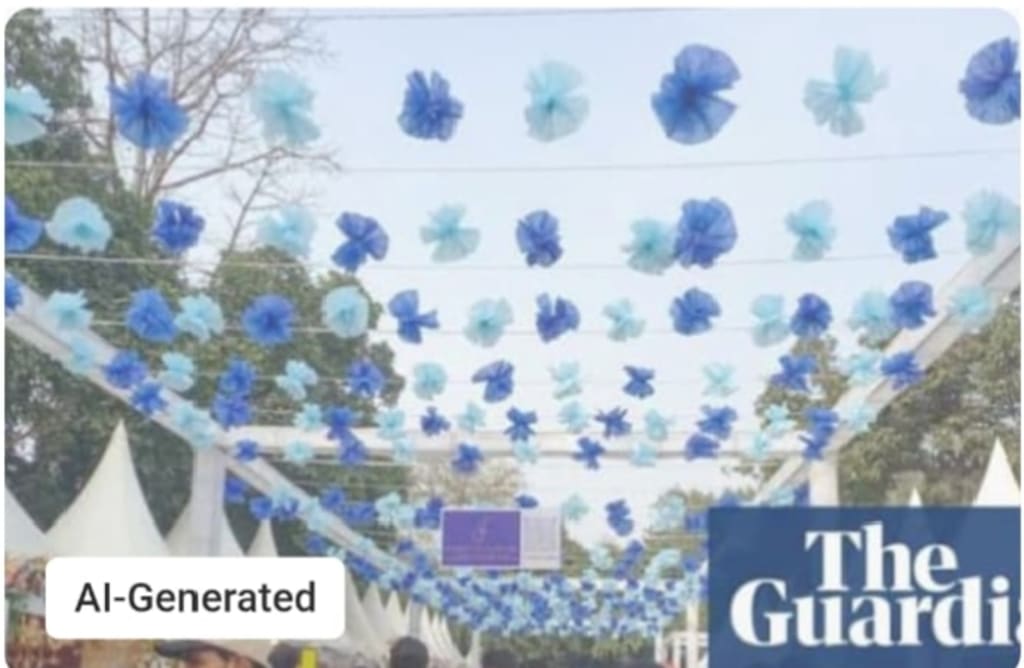
India is home to one of the world’s richest literary traditions, spanning thousands of years and hundreds of languages. From ancient Sanskrit epics to modern English novels, Indian literature has long been a source of cultural pride. Yet, despite this deep heritage, surveys and market data consistently show that reading habits in India remain relatively low compared to many developed nations. Book sales per capita are modest, and public libraries are scarce in many regions.
Paradoxically, India hosts some of the largest and most vibrant literature festivals in the world. Events like the Jaipur Literature Festival, Kolkata Literary Meet, and Mumbai LitFest attract thousands of visitors, celebrities, authors, and media attention every year. This raises an intriguing question: Why does a country that reads so little love literary gatherings so passionately?
The Rise of Literature Festivals in India
Over the past two decades, literature festivals have grown rapidly across India. What began as small intellectual gatherings has transformed into massive cultural events. The Jaipur Literature Festival, often called “the greatest literary show on Earth,” now attracts over 300,000 visitors annually, featuring authors from around the globe.
These festivals are no longer limited to metropolitan cities. Smaller towns and universities now host their own literary events, expanding the reach of such gatherings. The growing popularity reflects India’s hunger for cultural engagement, even if it does not always translate into regular reading habits.
Literature Festivals as Social Events
One major reason behind the popularity of these festivals is their social appeal. For many attendees, literature festivals are less about books and more about experience.
They offer:
Opportunities to meet famous writers
Chances to see celebrities and public intellectuals
Platforms for selfies, social media posts, and networking
A space for cultural validation
In modern India, where social status and visibility matter greatly, attending literary festivals has become a symbol of intellectual sophistication. Being seen at such events creates an image of being “cultured” and “well-read,” even if one rarely opens a book.
The Role of English and Elite Culture
Another factor shaping this paradox is the dominance of English in major literature festivals. Most high-profile sessions feature English-language authors and international speakers. This makes these events attractive to urban, educated, and middle-class audiences.
For many participants, literature festivals serve as gateways into elite spaces. They offer access to influential thinkers, journalists, diplomats, and policymakers. In this sense, festivals function not just as literary platforms but also as social and professional networks.
Meanwhile, regional language readers—who form the majority of India’s reading population—often remain underrepresented. This imbalance further disconnects festivals from everyday reading practices.
The Festivalization of Culture
India’s love for festivals extends far beyond literature. From religious celebrations to music concerts and food fairs, festivals dominate the country’s cultural life. Literature festivals have simply joined this broader “festival culture.”
In this environment, books become part of entertainment. Panel discussions resemble talk shows. Debates are staged for dramatic effect. Poetry readings are accompanied by music and performances. This transformation makes literature more accessible and enjoyable but also shifts focus away from deep reading.
Instead of quietly engaging with texts, audiences prefer lively discussions and short, digestible insights. Literature becomes something to be consumed quickly, like a social media post or a podcast episode.
Media, Sponsorship, and Commercialization
The growth of literature festivals is closely tied to media coverage and corporate sponsorship. News channels, publishing houses, luxury brands, and technology companies invest heavily in these events.
Sponsors benefit from associating themselves with “intellectual” and “cultural” activities. Media outlets gain exclusive content and celebrity interviews. As a result, festivals increasingly prioritize star power over literary depth.
Well-known authors, political figures, and film personalities often dominate schedules, while lesser-known writers struggle for visibility. This commercialization helps attract crowds but weakens the connection between festivals and serious reading culture.
Education System and Reading Habits
India’s education system also plays a role in this paradox. School curricula often emphasize memorization over critical reading. Students read mainly to pass exams, not for pleasure.
Public libraries are underfunded, and bookstores are declining in many towns. Digital distractions—smartphones, streaming platforms, and social media—further reduce reading time.
Without a strong foundation of reading for enjoyment, many people approach literature through secondary means: speeches, summaries, podcasts, and festival discussions. Literature festivals thus become substitutes for actual reading.
A Platform for Dialogue and Democracy
Despite these contradictions, literature festivals perform an important social function. They provide spaces for open discussion in a country where public debate is often polarized.
Topics such as politics, gender, caste, climate change, and freedom of expression are regularly discussed. Authors and activists use these platforms to challenge dominant narratives and raise awareness.
For many young people, festivals are their first exposure to critical thinking and diverse viewpoints. In this sense, even non-readers benefit intellectually from attending.
Bridging the Gap Between Books and People
Some festivals are trying to address the reading gap. Initiatives such as free book stalls, school outreach programs, regional language sessions, and online streaming aim to expand access.
Publishers also use festivals to promote affordable editions and connect directly with readers. Digital platforms now allow audiences from remote areas to participate virtually.
These efforts suggest that festivals can still play a role in building a stronger reading culture—if they prioritize inclusivity and education over glamour.
Conclusion: A Reflection of Modern India
The popularity of literature festivals in a low-reading society reflects the complex realities of modern India. It is a nation where tradition meets technology, where intellectual curiosity coexists with entertainment culture, and where symbolism often matters more than practice.
Literature festivals thrive because they offer identity, community, and cultural capital. They allow people to feel connected to ideas without the long commitment of reading.
Yet, they also hold immense potential. If guided thoughtfully, these gatherings can inspire new generations to rediscover the joy of books. The challenge lies in transforming literary spectacle into lasting literary engagement.
Only then can India truly reconcile its love for literary gatherings with a deeper love for reading itself.
About the Creator
The Saddest Thing - The Billionaires Who Rule America Aren't Even Enjoying Themselves
This single post says more about our ruling class than a thousand policy papers. The saddest thing about today's system is that the men robbing the rest of us - sabotaging our economic prospects, our pensions, our access to affordable healthcare - are not even happy.
By Scott Christenson🌴6 days ago in The Swamp
The Light Turns
It's Tuesday 7:13 a.m. A cold and clear November morning awaits Ray on his morning commute. Ray rubs his hands together in the front seat of his Subaru. He turns the air temperature up, but keeps the air on low until the air warms up. He looks at the backup camera screen and reverses the Subaru out of his driveway onto Trimble Road.
By John R. Godwin7 days ago in Fiction



Comments
There are no comments for this story
Be the first to respond and start the conversation.