
The Changing Face of the Global Economy
How Technology, Trade, and Climate Are Shaping Our Financial Future

The word economy might sound complex, but at its core, it’s about how people, businesses, and governments produce and share resources. Whether it’s buying groceries, starting a company, or setting national budgets, everything connects to the economy. In 2025, the global economy is shifting faster than ever before—driven by technology, environmental concerns, and global cooperation.
This article explores how the modern economy works, why it changes, and what the future might hold for everyday people around the world.
---
🌍 What Is the Economy, Really?
At its simplest, the economy is the system that organizes how goods and services are made, distributed, and consumed. Imagine millions of workers, factories, and online businesses—all contributing to a web of trade and production.
Economists usually divide the economy into three main sectors:
1. Primary Sector: This includes raw materials—farming, mining, fishing, and forestry.
2. Secondary Sector: This involves manufacturing and construction—turning raw materials into products like cars, furniture, or electronics.
3. Tertiary Sector: This focuses on services such as healthcare, education, banking, and entertainment.
Together, these sectors create the economic backbone of every country.
---
💻 Technology: The Engine of Modern Growth
In today’s world, technology is the single biggest driver of economic change. Artificial intelligence, automation, and digital currencies are transforming how we work and trade.
For example, AI-powered systems now manage logistics networks, analyze market trends, and even write code. Factories use robots to improve efficiency, while online platforms like Amazon or Alibaba allow small businesses to sell worldwide.
However, this rapid shift also raises questions. Will automation reduce jobs? How can workers adapt to digital industries? Economists say that while some jobs will vanish, new opportunities will appear—especially in tech support, data analysis, and creative fields.
As the digital revolution grows, digital literacy will be as important as reading or math once was.
---
🌱 Climate and the Green Economy
Another major change shaping the economy is the growing focus on sustainability. As climate change worsens, countries and companies are turning to green economics—systems that promote environmental balance while supporting growth.
The green economy includes renewable energy projects, electric vehicles, recycling industries, and sustainable farming. These industries are not only good for the planet but also create millions of new jobs.
For example, Europe and North America are investing heavily in wind and solar power. Meanwhile, developing countries are using green technology to improve agriculture and reduce pollution.
Economists call this transformation the “Green Industrial Revolution.” It shows that economic progress doesn’t have to mean environmental damage—it can mean innovation and renewal instead.
---
💸 Inflation, Wages, and the Cost of Living
For many families, the economy is not about global trade—it’s about paying bills and buying essentials. Inflation, which means rising prices, has been one of the most difficult challenges in recent years.
The COVID-19 pandemic, supply chain disruptions, and international conflicts have pushed prices up across the world. Food, fuel, and housing costs have risen faster than wages in many regions, putting pressure on households.
Governments and central banks have tried to slow inflation by raising interest rates—making borrowing more expensive. While this helps stabilize prices, it can also make home loans, credit cards, and business financing harder to afford.
Finding balance is key: if inflation rises too high, purchasing power drops. But if spending slows too much, economies risk recession.
---
🤝 Globalization and Cooperation
The modern economy is deeply interconnected. What happens in one country can affect another instantly. A drought in South America can raise food prices in Europe. A factory closure in China can delay smartphone shipments to the United States.
This web of interdependence is called globalization—the worldwide flow of goods, services, ideas, and capital.
While globalization has helped billions of people escape poverty and given consumers more choices, it also creates new challenges. Economic shocks, pandemics, and political tensions can spread quickly across borders.
To manage this complexity, international organizations like the World Bank, International Monetary Fund (IMF), and World Trade Organization (WTO) encourage countries to cooperate, share resources, and stabilize markets.
---
🔮 The Future of the Economy
So, what will the economy look like in the next decade? Experts predict three key trends:
1. Digital Expansion: Cryptocurrencies, blockchain, and artificial intelligence will redefine finance and commerce.
2. Sustainability: Clean energy and eco-friendly industries will grow faster than traditional manufacturing.
About the Creator
Fiaz Ahmed
I am Fiaz Ahmed. I am a passionate writer. I love covering trending topics and breaking news. With a sharp eye for what’s happening around the world, and crafts timely and engaging stories that keep readers informed and updated.
Keep reading
More stories from Fiaz Ahmed and writers in The Swamp and other communities.
Labour Party Polls: Where Things Stand and What’s Next
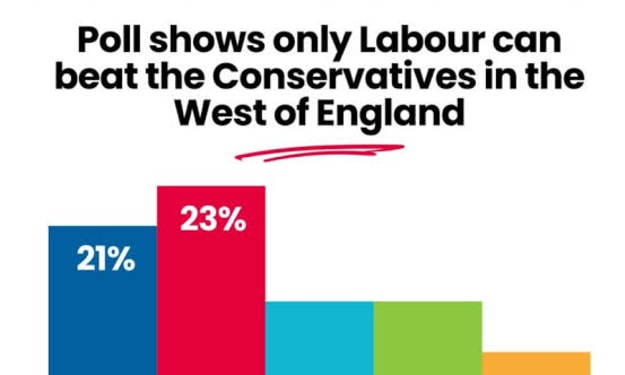
For the ruling Labour Party in the UK, recent opinion polls are delivering a wake-up call. After entering government with strong momentum, they now face the challenge of shifting public mood and rising competition. Understanding these poll numbers is vital not just for political insiders but for anyone interested in how Britain’s democracy is evolving.
By Fiaz Ahmed 2 months ago in The Swamp
France Tightens Food Import Checks as Farmers Protest Mercosur Deal
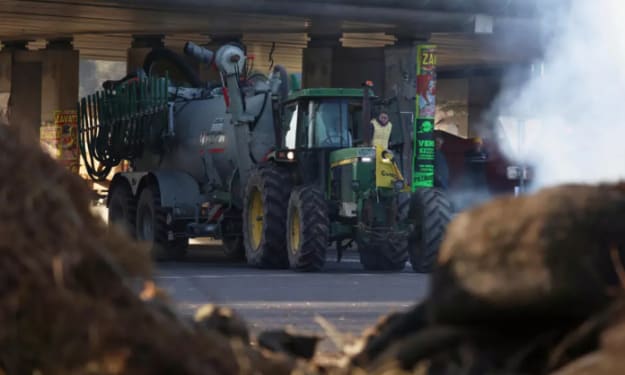
France has stepped up food import inspections as farmers across the country intensify protests against the proposed European Union–Mercosur trade deal. The move highlights rising tensions between globalization and domestic agriculture, as producers warn that the agreement could threaten livelihoods, weaken environmental standards, and undermine Europe’s strict food safety rules. By tightening checks on imported food, the French government is sending a clear message: protecting farmers and consumers is now a political priority.
By Aqib Hussain6 days ago in The Swamp
FPS: The Last Flame Challenge Winners
Welcome to our first Winners Announcement of the year and to the final challenge in the Fall Poetry Series. The Last Flame invited writers to sit with endings, using fire as a central image to consider what remains when something burns out: ash, warmth, memory, silence, or the faint promise of what comes next. The strongest pieces treated endings as gradual rather than sudden, allowing them to flicker, dim, and linger.
By Vocal Curation Team4 days ago in Resources


Comments
There are no comments for this story
Be the first to respond and start the conversation.