
Labour Party Polls: Where Things Stand and What’s Next
Why recent numbers matter for Britain’s ruling party and what they reveal about public mood

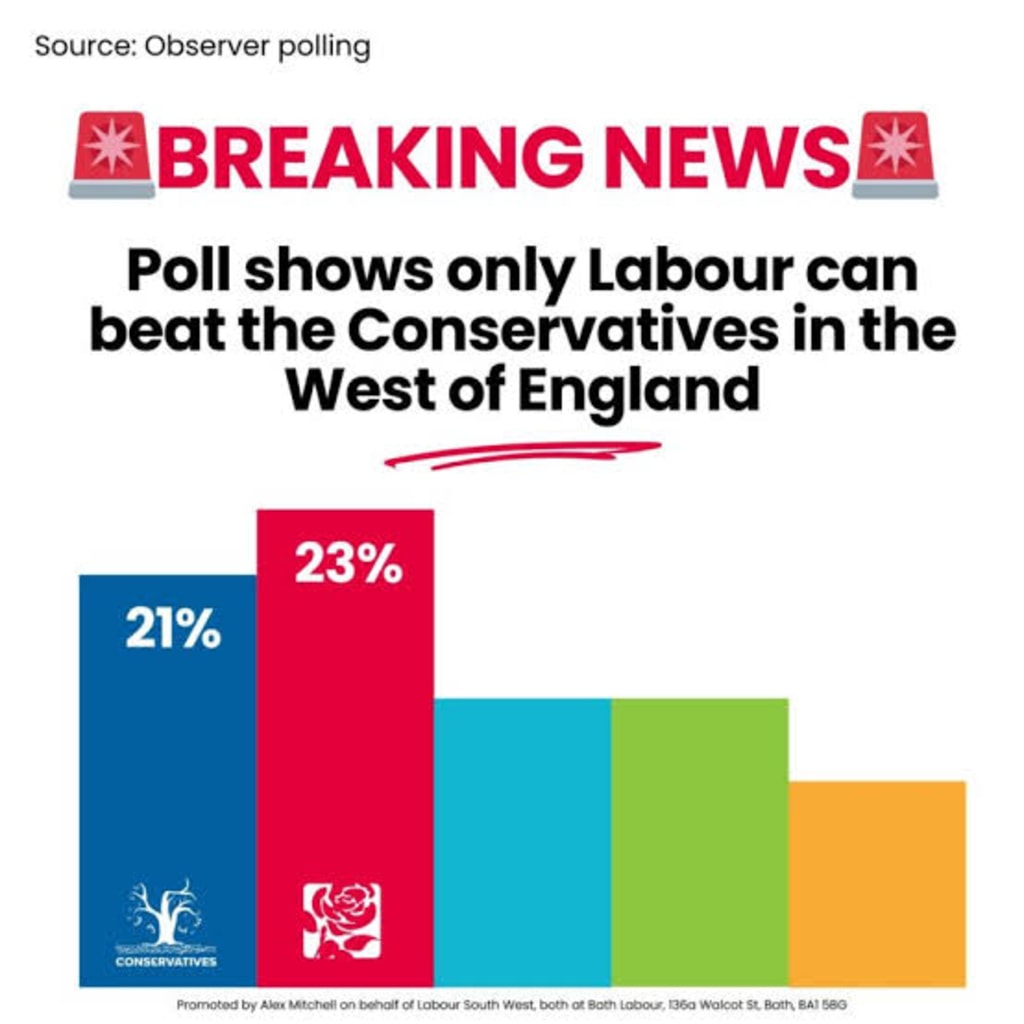
For the ruling Labour Party in the UK, recent opinion polls are delivering a wake-up call. After entering government with strong momentum, they now face the challenge of shifting public mood and rising competition. Understanding these poll numbers is vital not just for political insiders but for anyone interested in how Britain’s democracy is evolving.
---
🚩 The Numbers Behind the Headlines
Recent polling has shown a sharp decline in Labour’s support. For example, according to Ipsos UK, Labour’s vote-intention score fell to around 25% — their lowest since October 2019.
Other trackers show that rival parties — especially Reform UK — are making significant gains. One study projected that Reform could become the largest party under certain modelling scenarios.
In Scotland, polls illustrate how Labour has lost some ground. A survey by Ipsos found that Labour support dropped to 22% in certain Scottish contexts, with the Scottish National Party (SNP) and Reform benefiting.
---
🔍 What’s Causing the Drop?
There are several factors at play behind Labour’s slipping poll numbers:
Public dissatisfaction: Voter satisfaction with both Labour and their leader, Keir Starmer, has declined significantly. The public perception of unmet promises and delayed reforms is growing.
New competition: Parties like Reform UK are capturing attention, particularly among voters who feel overlooked by the mainstream. One poll found one in five Britons would consider voting for a new left-wing party, showing Labour may also be vulnerable on its left flank.
Expectations vs. reality: Labour’s large win at the last general election created high expectations. A sharp fall in support this early in their term is unusual — research shows it’s the biggest drop for a new government in decades.
---
📍 Why the Polls Matter Now
Poll numbers are more than just percentages — they shape strategies, media narratives, and political momentum. Here’s why they matter for Labour and the UK as a whole:
Policy urgency: Weak poll results push parties to rethink strategies. For Labour, this means being responsive to issues like cost-of-living pressures, public services, and immigration.
Electoral implications: With the next general election not until 2029, the current slump doesn’t mean defeat is inevitable — but it does mean the political terrain may be changing.
Voter psychology: Polls influence how voters see parties. When a party appears weak, voters may switch support or sit out entirely, which in turn depresses numbers further.
Media framing: Persistent low poll ratings generate skeptical headlines (“Labour in crisis”, “Leader’s approval plunges”), which can affect morale among supporters and candidates.
---
✅ Labour’s Path Back to Strength
Despite the difficulties, Labour is far from doomed. Here are key steps they might take to recover:
Reconnect with voters: Labour must demonstrate that they are listening — especially to voters who feel their lives are not improving.
Experience visible action: Getting major policy wins or visible improvements in public services can restore trust and momentum.
Refine messaging: Clear, consistent messages about priorities (jobs, housing, health care) are vital — voters respond when they see relevance.
Stay agile: With new parties shaking up the political landscape, Labour needs flexibility and innovation to adapt to changing voter concerns.
---
📌 Final Thoughts
The recent polling for the Labour Party reveals a moment of vulnerability. From its strong start in government, Labour now faces tectonic shifts in public opinion and political partnership. While the numbers are concerning, they are not the end of the story — they are a signal.
For voters, these trends mean one thing: the next years of British politics will be more competitive, unpredictable, and open to change. For Labour, the challenge is clear: translate governance into visible results and rebuild connection with voters whose faith has wavered.
As the saying goes in politics — you don’t get a second chance to make a first impression. Labour’s first term in power is underway, and the clock is ticking.
About the Creator
Fiaz Ahmed
I am Fiaz Ahmed. I am a passionate writer. I love covering trending topics and breaking news. With a sharp eye for what’s happening around the world, and crafts timely and engaging stories that keep readers informed and updated.
Keep reading
More stories from Fiaz Ahmed and writers in The Swamp and other communities.
Jesse Jackson: The Voice That Echoed for Justice
Few figures in American history have left as lasting an impact on civil rights, politics, and social justice as Reverend Jesse Jackson. For more than six decades, Jackson has stood on the frontlines of progress — fighting against racism, poverty, and inequality. His journey from a small-town preacher to a global advocate for human rights is a story of courage, conviction, and compassion.
By Fiaz Ahmed 5 months ago in The Swamp
Parallel Protests
I haven't written for quite some time, but I have A LOT of thoughts about yesterday's protest rally against our government's involvement and complicity in America's war on Iran, on the harbourside of my home city Bristol, and I need to put them somewhere. My gorgeous girlfriend is always a loving and listening ear and sharing it all with her will always be a healthy and happy way of processing the mental and emotional weight, but getting it straight in my brain to share means writing it all down in straight lines, so, here we are and thanks for being here.
By Steph Cole8 days ago in The Swamp



Comments
There are no comments for this story
Be the first to respond and start the conversation.