
France Tightens Food Import Checks as Farmers Protest Mercosur Deal
Growing agricultural unrest forces Paris to take a tougher stance on trade, food safety, and fair competition
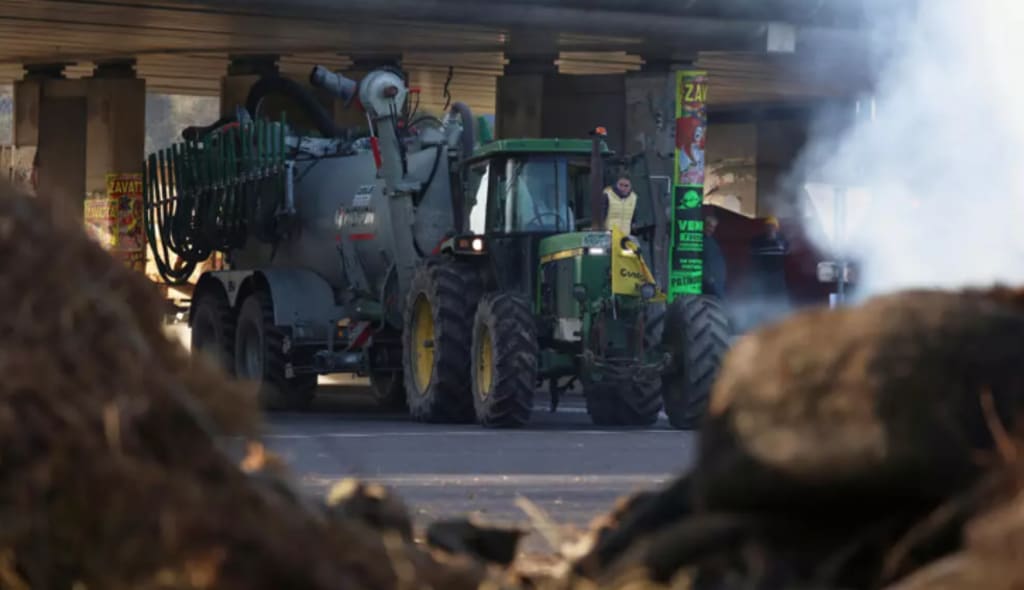
France has stepped up food import inspections as farmers across the country intensify protests against the proposed European Union–Mercosur trade deal. The move highlights rising tensions between globalization and domestic agriculture, as producers warn that the agreement could threaten livelihoods, weaken environmental standards, and undermine Europe’s strict food safety rules. By tightening checks on imported food, the French government is sending a clear message: protecting farmers and consumers is now a political priority.
Farmers Push Back Against Mercosur
The Mercosur trade agreement, negotiated over decades between the EU and South American nations Argentina, Brazil, Paraguay, and Uruguay, aims to reduce tariffs and expand trade. While supporters see it as a boost to economic growth and international cooperation, French farmers view it very differently.
Agricultural unions argue that the deal would allow an influx of cheaper meat, fruit, and other food products produced under standards far less strict than those imposed on European farmers. In France, producers face tight regulations on pesticide use, animal welfare, and environmental protection. Competing with imports that do not meet these requirements, they say, creates an uneven playing field.
Protests have spread across rural and urban areas alike. Farmers have blocked roads with tractors, slowed traffic in major cities, and staged demonstrations outside supermarkets and ports. Their message is consistent: free trade should not come at the expense of fair competition and food quality.
Government Tightens Import Controls
In response to mounting pressure, the French government announced enhanced inspections on food imports entering the country. The measures focus on detecting banned pesticides, fungicides, and chemical residues that are prohibited under EU law. Products failing to meet these standards can be rejected outright.
Officials insist the move is about enforcing existing rules rather than introducing protectionist barriers. However, the timing makes it clear that the decision is also a political response to farmer unrest. By strengthening controls, France aims to reassure domestic producers that their concerns are being heard.
The checks will apply to a wide range of products, including fruits, vegetables, and processed foods, many of which are commonly imported from Mercosur countries. Authorities say the inspections are necessary to prevent unfair competition and to ensure that all food sold in France meets the same safety and environmental benchmarks.
Food Safety and Consumer Trust
Beyond farmers’ interests, the government has framed the policy as a matter of public health. France has long emphasized food quality, traceability, and consumer protection. Stricter import checks are presented as a way to guarantee that imported products do not contain harmful substances banned in Europe.
This argument resonates with consumers, many of whom are increasingly concerned about where their food comes from and how it is produced. In recent years, food scandals and environmental debates have heightened awareness about agricultural practices. By reinforcing controls, the government aligns itself with consumer expectations as well as farming interests.
Still, critics warn that excessive inspections could disrupt supply chains and raise food prices. Importers and retailers worry that delays at borders could reduce availability of certain products, particularly off-season fruits and vegetables.
France’s Position Within the EU
France has emerged as one of the strongest opponents of the Mercosur deal within the European Union. While countries such as Germany and Spain tend to emphasize the economic benefits of expanded trade, Paris has consistently raised concerns about environmental protection, deforestation in the Amazon, and agricultural standards.
The tightened import checks strengthen France’s negotiating position. They signal that even if the trade deal advances at the EU level, its implementation could face resistance at the national level. This stance reflects broader debates within Europe about how trade agreements should align with climate goals, labor rights, and food safety regulations.
For French leaders, the issue is also domestic politics. Farmers hold significant symbolic and electoral weight, particularly in rural regions. Ignoring their demands could carry political consequences, making government action almost unavoidable.
A Broader European Debate
The protests in France are part of a wider pattern across Europe, where farmers increasingly feel squeezed by rising costs, climate pressures, and global competition. Trade agreements like Mercosur have become lightning rods for these frustrations.
Supporters of the deal argue that it includes safeguards and that European exports, such as cheese, wine, and industrial goods, would benefit from improved access to South American markets. They also warn that blocking the agreement could weaken Europe’s global trade influence.
Opponents counter that promises of safeguards are insufficient and difficult to enforce. For them, France’s tighter import checks represent a necessary defense against what they see as unchecked globalization.
What Happens Next?
France’s decision to intensify food import inspections does not end the Mercosur debate, but it raises the stakes. Other EU countries may follow suit, pushing for stricter enforcement of standards across the bloc. Alternatively, the move could deepen divisions within the EU over trade policy.
For now, French farmers see the checks as a partial victory, proof that sustained protest can bring results. Whether the measures will be enough to calm unrest remains uncertain. Many farmers continue to demand stronger guarantees, including explicit limits on agricultural imports from Mercosur countries.
As Europe grapples with balancing trade openness and domestic protection, France’s actions underscore a fundamental question: can free trade coexist with high environmental and food standards? The answer will shape not only the future of the Mercosur deal but also the direction of European agricultural policy for years to come.
About the Creator
Keep reading
More stories from Aqib Hussain and writers in The Swamp and other communities.
‘I Applaud Him’: Venezuelan Diaspora Hails Donald Trump After Nicolás Maduro’s Capture
The reported capture of Venezuelan President Nicolás Maduro has sent shockwaves through Latin America and beyond, sparking celebrations, debates, and renewed political conversations—especially among the Venezuelan diaspora. For millions who fled economic collapse, political repression, and humanitarian crisis, the news represents more than a headline. It is a moment loaded with emotion, symbolism, and unresolved questions about Venezuela’s future.
By Aqib Hussain15 days ago in The Swamp


Comments
There are no comments for this story
Be the first to respond and start the conversation.