
Taiwan Thanks Canada for Its Support Ahead of Prime Minister’s China Trip
A diplomatic balancing act as Ottawa walks the tightrope between Beijing and Taipei

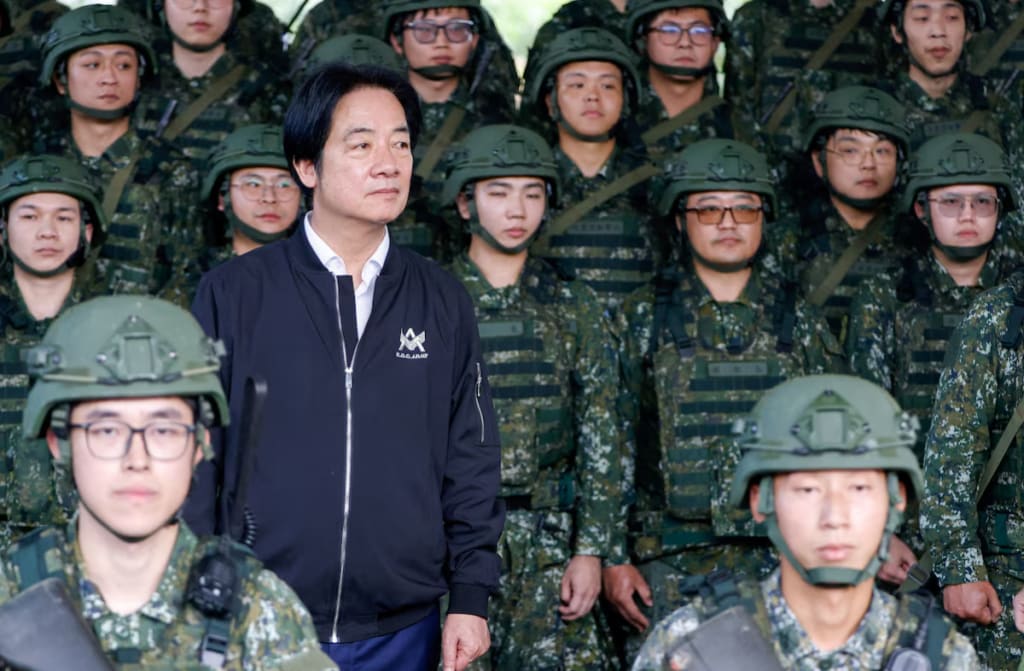
In the often tense and closely watched world of global diplomacy, even a simple statement of thanks can carry enormous political weight. This week, Taiwan publicly expressed gratitude to Canada for its continued support, just days before the Canadian prime minister is set to travel to China. While the words may sound polite and routine, the timing tells a much deeper story—one about strategic alliances, democratic values, and the delicate balancing act Canada must perform on the world stage.
This moment highlights not only Taiwan’s growing concern about its international standing, but also Canada’s evolving role in Indo-Pacific geopolitics. As Ottawa prepares to engage directly with Beijing, Taiwan’s message serves as both appreciation and a reminder of what is at stake.
Why Taiwan’s Thank-You Matters
Taiwan exists in a uniquely complicated diplomatic position. Claimed by China as part of its territory, the self-governed island is recognized by only a small number of countries as a sovereign state. Most nations, including Canada, officially adhere to a “One China” policy—acknowledging Beijing as the sole legal government of China—while maintaining unofficial but meaningful ties with Taipei.
Against this backdrop, Canada’s vocal support for peace and stability in the Taiwan Strait has not gone unnoticed. Taiwanese officials have repeatedly welcomed Canada’s stance on democracy, human rights, and the rule of law—values that Taiwan sees as central to its identity.
By thanking Canada ahead of the prime minister’s China visit, Taiwan is sending a subtle but powerful signal: its relationship with Ottawa matters, even if it exists outside formal diplomatic recognition.
Canada’s Indo-Pacific Strategy and Taiwan
Canada has increasingly framed its foreign policy around the Indo-Pacific, a region it views as economically vital and strategically sensitive. Taiwan plays an important role in this vision—not only as a democracy, but also as a global technology powerhouse, particularly in semiconductor manufacturing.
In recent years, Canada has:
Strengthened trade and investment ties with Taiwan
Supported Taiwan’s meaningful participation in international organizations
Joined allies in calling for peaceful resolution of cross-strait tensions
While Canada stops short of recognizing Taiwan as an independent state, these actions signal a growing willingness to engage more openly with Taipei. For Taiwan, this kind of engagement provides international breathing room amid rising pressure from Beijing.
The Timing: Ahead of a High-Stakes China Trip
The upcoming visit of Canada’s prime minister to China adds another layer of complexity. Relations between Ottawa and Beijing have been strained in recent years over issues such as trade disputes, cybersecurity concerns, and the detention of Canadian citizens in China.
China is extremely sensitive to any foreign interaction with Taiwan, often viewing it as interference in its internal affairs. Taiwan’s public show of appreciation, just before the trip, places Canada in a delicate position—caught between reaffirming its values and managing its relationship with the world’s second-largest economy.
For Canada, the challenge will be to:
Re-engage China diplomatically without appearing to retreat from democratic principles
Maintain support for Taiwan without provoking unnecessary escalation
Balance economic interests with national security and human rights concerns
Taiwan’s Diplomatic Strategy: Gratitude as Soft Power
Taiwan has become increasingly adept at using soft power diplomacy. Public statements of thanks, humanitarian aid, technology partnerships, and cultural exchanges are all part of Taipei’s effort to strengthen informal alliances.
By thanking Canada openly, Taiwan accomplishes several goals at once:
Reinforces its image as a responsible and appreciative international partner
Encourages continued support from like-minded democracies
Signals resilience in the face of diplomatic isolation
This approach doesn’t confront China directly, but it subtly expands Taiwan’s international presence—something Beijing works hard to limit.
What This Means for China-Canada Relations
China will undoubtedly be watching closely. Any perceived strengthening of Canada-Taiwan ties could become a sensitive topic during diplomatic talks. However, Canada is not alone. Many Western democracies now walk the same line: recognizing China diplomatically while deepening unofficial engagement with Taiwan.
For Beijing, this trend is concerning. For Ottawa, it is increasingly unavoidable.
Canada’s message to China is likely to be one of engagement without endorsement—cooperation where possible, disagreement where necessary. Taiwan’s gratitude underscores that Canada’s actions resonate far beyond bilateral talks.
A Broader Democratic Signal
Beyond diplomacy, this episode reflects a broader global conversation about democracy and authoritarianism. Taiwan often positions itself as proof that Chinese culture and democracy are compatible—a narrative that challenges Beijing’s political model.
By supporting Taiwan’s participation in global affairs, countries like Canada reinforce that message. Taiwan’s thank-you, therefore, is not just about bilateral relations—it’s about shared values and the kind of international order democracies want to uphold.
Conclusion: Words That Carry Weight
In international politics, timing is everything. Taiwan’s decision to thank Canada ahead of the prime minister’s China trip is no coincidence. It highlights the fragile but meaningful ties between Ottawa and Taipei, while reminding the world that Taiwan remains an active and engaged player despite diplomatic constraints.
For Canada, the coming days will test its ability to balance pragmatism with principle. For Taiwan, the message is clear: every expression of support matters.
And for global observers, this moment offers a glimpse into how modern diplomacy often works—not through treaties and embassies, but through carefully chosen words, strategic timing, and shared values expressed in public view.
About the Creator
Muhammad Hassan
Muhammad Hassan | Content writer with 2 years of experience crafting engaging articles on world news, current affairs, and trending topics. I simplify complex stories to keep readers informed and connected.
Keep reading
More stories from Muhammad Hassan and writers in The Swamp and other communities.
How the U.S. Supreme Court Case on Trans Athletes Could Unravel LGBTQ+ Rights
At first glance, the U.S. Supreme Court case involving transgender athletes appears narrowly focused on sports. Supporters frame it as a debate about fairness in women’s competitions, while opponents see it as an issue of inclusion and dignity. But beneath the surface, this case carries implications that reach far beyond school gyms and athletic fields. Legal experts and civil rights advocates warn that how the Court rules could redefine the scope of LGBTQ+ protections in the United States—potentially unraveling decades of progress. What the Case Is Really About The case centers on whether states can bar transgender athletes from participating in sports teams that align with their gender identity, particularly in school and college athletics. Several states have passed laws restricting participation, arguing that biological differences undermine fair competition. Challengers argue that these bans violate constitutional guarantees of equal protection and federal civil rights laws, including Title IX, which prohibits sex-based discrimination in education. While the immediate question is about sports eligibility, the legal reasoning the Court adopts could set a precedent affecting employment, healthcare, education, and public accommodations. Why the Supreme Court’s Involvement Matters The Supreme Court does not simply settle individual disputes—it sets national legal standards. When it chooses to hear a case, it signals that broader constitutional questions are at stake. In recent years, the Court has taken a more conservative turn. That shift has already reshaped abortion rights and voting laws. LGBTQ+ advocates fear that a restrictive ruling in the trans athlete case could open the door to rolling back protections that were once considered settled. In other words, this is not just about sports policy—it is about how the law defines sex, gender, and equality. The Ripple Effect on LGBTQ+ Rights If the Court rules that states may exclude trans athletes based on biological sex, the logic could extend far beyond athletics. Legal scholars warn of a potential domino effect. Such a ruling could be used to justify: Restrictions on gender-affirming healthcare Limitations on bathroom and facility access Rollbacks in workplace and school protections Narrow interpretations of anti-discrimination laws By drawing hard legal lines around biological sex, the Court may weaken arguments that protect transgender people under existing civil rights frameworks. Title IX and the Question of Sex Title IX has long been a cornerstone of gender equality in education. Traditionally, it was used to expand opportunities for women and girls. More recently, courts and federal agencies have interpreted it to include protections for transgender students. This case challenges that interpretation. If the Supreme Court rules that Title IX does not protect trans athletes, it could signal a broader retreat from recognizing gender identity under federal law. That shift would not only affect athletes—it could reshape how schools handle discrimination claims involving LGBTQ+ students nationwide. Supporters Say It’s About Fairness Supporters of restrictions on trans athletes argue that the issue is being mischaracterized. They claim the case is not about discrimination but about preserving fairness and safety in women’s sports. From this perspective, allowing transgender women to compete is seen as undermining decades of progress made by female athletes. These arguments resonate with some parents, coaches, and athletes, making the issue politically powerful. However, critics counter that fairness concerns are often exaggerated and that policies can be crafted without excluding an entire group from participation. A Political Climate Shaping the Courtroom The legal fight does not exist in a vacuum. Across the United States, transgender rights have become a central political battleground. State legislatures have introduced hundreds of bills targeting LGBTQ+ issues, particularly trans youth. This broader climate influences how cases are framed, argued, and received. The Supreme Court’s decision will likely be interpreted as either an endorsement or rejection of this legislative trend. For LGBTQ+ Americans, the ruling may feel less like a legal judgment and more like a statement about belonging. Why This Case Could Redefine Equality At its core, the case forces the Court to answer a fundamental question: Who is protected under civil rights law? If protections hinge narrowly on biological definitions, many existing safeguards could erode. If, instead, the Court affirms a broader understanding of gender and equality, it could reinforce protections not just for trans athletes but for LGBTQ+ people more broadly. This makes the case a potential turning point—one that could shape civil rights jurisprudence for a generation. What Comes Next Whatever the outcome, the ruling will not end the debate. A restrictive decision could trigger new legal challenges and legislative efforts at the federal level. A more inclusive ruling could provoke backlash from states seeking to push back against federal authority. Either way, the decision will become a reference point in future cases involving gender identity, discrimination, and equal protection. Final Thoughts The Supreme Court case on transgender athletes is about much more than sports. It sits at the intersection of law, politics, and identity—testing how far the United States is willing to go in defining equality in the 21st century. For LGBTQ+ communities, the stakes could not be higher. A ruling that narrows protections risks unraveling hard-won rights, while an inclusive decision could affirm that civil rights evolve alongside society itself. The outcome will echo far beyond the courtroom—into schools, workplaces, and the daily lives of millions of Americans.
By Muhammad Hassan5 days ago in The Swamp
Diesel Generator Market Size and Forecast 2025–2033
Introduction The global energy ecosystem is undergoing rapid transformation, driven by rising electricity demand, expanding industrial activity, and the urgent need for power reliability. In this context, diesel generators—often regarded as traditional power solutions—continue to play a vital and irreplaceable role across industries and geographies. Despite the accelerating transition toward renewable energy, diesel generators remain a cornerstone of backup and off-grid power systems due to their reliability, scalability, and operational efficiency.
By Marthan Sir4 days ago in The Swamp



Comments
There are no comments for this story
Be the first to respond and start the conversation.