
Sweden Exposes Network of Nuns Working for Russian Intelligence
How faith-based institutions became an unexpected front in Europe’s growing intelligence war

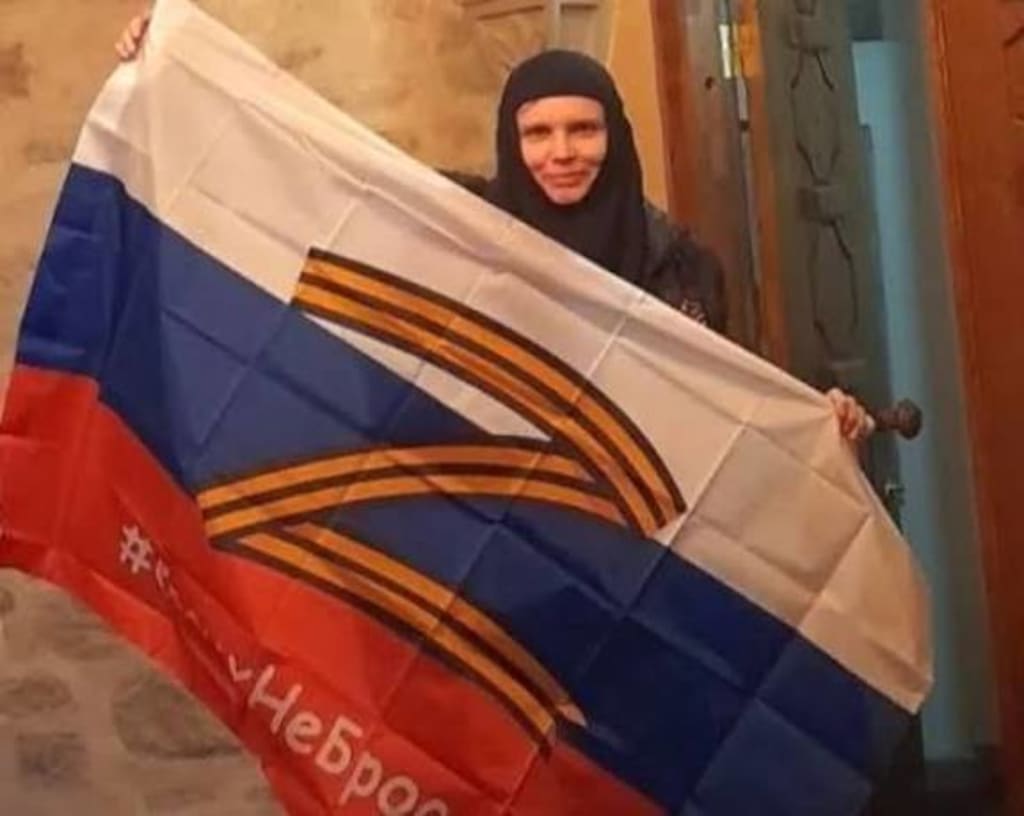
Sweden, long regarded as one of Europe’s most transparent and security-conscious nations, has been shaken by revelations that a covert intelligence network allegedly linked to Russia operated under the cover of religious life. According to Swedish security officials and investigative reports, a small network of nuns is suspected of acting as intermediaries for Russian intelligence, using their religious status to move freely, build trust, and gather sensitive information. While the investigation is ongoing, the case has ignited intense debate about espionage, faith, and national security in an increasingly tense geopolitical climate.
A Startling Discovery
The alleged exposure came after Sweden’s security service intensified counter-intelligence efforts following the country’s historic decision to seek NATO membership. Officials reportedly noticed unusual travel patterns, encrypted communications, and unexplained financial flows connected to individuals affiliated with a religious order operating across parts of Scandinavia and Eastern Europe. What initially appeared to be routine humanitarian and spiritual work gradually raised red flags.
Investigators now believe that religious cover may have been used to facilitate discreet meetings, pass messages, and maintain contact with handlers connected to Russian intelligence services. Authorities stress that the inquiry does not target religion itself, but rather the alleged misuse of religious institutions for state-sponsored espionage.
Why Religious Cover Works
Using religious organizations as cover is not new in the history of intelligence. Clergy and religious workers often enjoy a high level of trust, moral authority, and freedom of movement. They can cross borders for charitable missions, attend international conferences, and operate in sensitive communities without attracting suspicion.
In Sweden’s case, officials believe this trust may have been deliberately exploited. Religious figures can engage with diplomats, migrants, aid organizations, and political activists in ways that ordinary civilians cannot. If allegations are proven, the case would demonstrate how modern espionage blends traditional spycraft with social and cultural camouflage.
Sweden’s Security Context
The timing of the exposure is significant. Sweden’s security posture has shifted dramatically in recent years, driven by Russia’s actions in Ukraine and growing concerns about hybrid warfare. Intelligence agencies across Europe have warned that modern espionage now includes cyber operations, disinformation campaigns, economic pressure, and covert human networks.
Sweden’s security services have already reported an increase in foreign intelligence activity, particularly targeting defense industries, energy infrastructure, and political decision-making. The alleged involvement of religious figures adds a deeply sensitive dimension to these concerns, challenging assumptions about who might pose a security risk.
Russian Denials and Diplomatic Tension
As expected, Russian officials have dismissed the allegations as politically motivated and unfounded. Moscow has repeatedly accused European states of exaggerating espionage threats to justify tougher security laws and closer alignment with NATO. This case, however, risks further straining already fragile diplomatic relations between Sweden and Russia.
For Sweden, the challenge lies in responding firmly without inflaming religious tensions or appearing to target faith communities unfairly. Government officials have emphasized that the investigation is evidence-based and narrowly focused on specific individuals, not religious institutions as a whole.
Impact on Religious Communities
The revelations have caused discomfort and concern within Sweden’s religious circles. Many faith leaders have spoken out, stressing that religious life should never be conflated with political agendas or intelligence work. There is also fear that such cases could fuel suspicion, discrimination, or mistrust toward minority religious groups.
Experts warn that maintaining social cohesion will be crucial. Transparency, clear communication, and respect for religious freedom must accompany any security response to prevent long-term damage to community relations.
A Broader European Warning
Beyond Sweden, the case serves as a warning for Europe as a whole. Intelligence analysts argue that hybrid threats thrive in open societies where trust is high and oversight must balance security with civil liberties. As geopolitical rivalries intensify, unconventional methods of influence and espionage are likely to increase.
European governments are now re-evaluating how they assess risk within non-traditional spaces, including NGOs, cultural groups, and religious organizations, while avoiding broad suspicion that could undermine democratic values.
Conclusion
The alleged exposure of a network of nuns working for Russian intelligence has stunned Sweden and captured international attention. Whether all claims are ultimately proven in court, the case highlights the evolving nature of espionage in the 21st century—where influence, identity, and trust can be as powerful as technology or weapons.
For Vocal Media readers, this story underscores a larger truth: in an era of global tension and hybrid warfare, national security challenges are no longer confined to battlefields or borders. They can emerge quietly, even from places traditionally associated with peace, faith, and service.
About the Creator
Fiaz Ahmed Brohi
I am a passionate writer with a love for exploring and creating content on trending topics. Always curious, always sharing stories that engage and inspire.
Keep reading
More stories from Fiaz Ahmed Brohi and writers in The Swamp and other communities.
Trump Says He Will ‘100%’ Carry Out Greenland Tariffs Threat as EU Vows to Protect Its Interests
Former U.S. President Donald Trump has once again stirred global debate by declaring that he would “100%” follow through on imposing tariffs related to Greenland if his demands are not met. The remarks have reignited tensions between the United States and the European Union, with EU leaders quickly responding that they are prepared to defend their economic and strategic interests. What began years ago as an unconventional proposal to purchase Greenland has now evolved into a serious geopolitical and economic confrontation. Why Greenland Matters Greenland, an autonomous territory within the Kingdom of Denmark, holds enormous strategic value. It is rich in rare earth minerals, sits astride critical Arctic shipping routes, and plays a vital role in global climate and security calculations. As melting ice opens new trade passages and access to resources, major powers—including the U.S., China, and Russia—have increased their focus on the Arctic. Trump has long viewed Greenland through a transactional lens, arguing that the United States should exert greater influence over the territory to counter rivals and secure access to critical minerals needed for advanced technologies and defense systems. When Denmark firmly rejected any idea of selling Greenland, Trump’s interest did not fade—it shifted into economic pressure. The Tariffs Threat Explained Trump’s renewed statement suggests that tariffs could be imposed on European goods, particularly targeting Denmark or broader EU exports, if U.S. strategic interests in Greenland are blocked. While details remain vague, the rhetoric alone has already caused unease in financial and diplomatic circles. Tariffs, if enacted, could affect industries ranging from renewable energy equipment to shipping and pharmaceuticals. Denmark, a small but globally connected economy, would be particularly exposed, but the broader EU could also feel the impact depending on how widely the measures are applied. EU Pushes Back Strongly The European Union has responded with unusual unity. EU officials have stated clearly that any unilateral tariffs would be met with countermeasures under international trade rules. Brussels has emphasized that Greenland’s status is not negotiable and that economic coercion will not change that reality. EU leaders argue that weaponizing trade undermines long-standing transatlantic relationships and risks escalating into a broader trade dispute at a time when global economic stability is already fragile. Inflation, supply chain disruptions, and geopolitical conflicts have left little appetite in Europe for another tariff war. Economic and Political Implications Markets tend to react swiftly to tariff threats, even before policies are implemented. Investors worry that renewed U.S.-EU trade tensions could disrupt supply chains and dampen growth. European exporters fear reduced access to the U.S. market, while American companies dependent on European inputs could face higher costs. Politically, Trump’s stance resonates with his “America First” base, reinforcing his image as a leader willing to use economic tools aggressively to pursue national interests. Critics, however, argue that such tactics alienate allies and weaken collective Western influence at a time when cooperation is crucial. Greenland’s Voice Often Overlooked Amid the high-level rhetoric, Greenland’s own perspective is often sidelined. Greenlandic leaders have repeatedly stated that the territory is not for sale and that its future should be decided by its people. Many residents support greater autonomy and economic development but reject being treated as a bargaining chip in global power struggles. Local officials have also expressed concern that increased militarization or economic pressure could harm Greenland’s environment and traditional ways of life, particularly as climate change already poses significant challenges. What Comes Next? Whether Trump’s tariff threat becomes reality depends on political developments in the United States and diplomatic maneuvering behind the scenes. If enacted, tariffs could trigger a cycle of retaliation, drawing both sides into a prolonged trade conflict. If cooler heads prevail, negotiations may refocus on cooperation in the Arctic, including joint investment, security coordination, and environmental protection. What is clear is that Greenland has become a symbol of a larger shift in global politics—where strategic geography, resources, and economic power intersect. Trump’s declaration has ensured that the Arctic, once considered remote, is now firmly at the center of international debate. Final Thoughts Trump’s promise to “100%” carry out Greenland-related tariffs underscores how economic tools are increasingly used as instruments of geopolitical pressure. As the EU prepares to defend its interests, the episode highlights rising tensions within the Western alliance and the growing importance of the Arctic in global strategy. For readers and policymakers alike, the situation serves as a reminder that in today’s interconnected world, trade, politics, and geography are more closely linked than ever.
By Fiaz Ahmed Brohi2 months ago in The Swamp
A Gathering of Evil Bosses
“I’m the queen of chin jutting while I smooth my hair, attacking, insulting, and deflecting to protect my appointer.” “Oh, please, Blondi, my hair is curled, highlighted, and longer than yours. I feature television commercials telling immigrants that we will give them a free plane ride home, and if they voluntarily turn themselves in, they will be allowed to legally apply for re-entry. It runs everywhere, and I look good in it! You can’t compete because of your blond hair. Mine is nicer, and my lips are prettier than yours.”
By Andrea Corwin 22 days ago in The Swamp
Best Way Forward for Iran Would Be Negotiated Settlement, Says Starmer
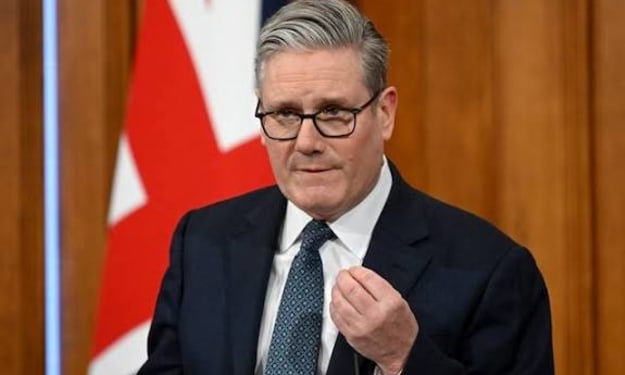
British Prime Minister Keir Starmer has called for a diplomatic path forward in the escalating conflict involving Iran, saying that the most sustainable outcome for the region and the world would be a negotiated settlement rather than further military escalation. His remarks mark a clear divergence from the position taken by Donald Trump, who has indicated that military pressure and a tougher stance are necessary. Speaking at a press conference in Downing Street, Starmer reaffirmed that the United Kingdom’s “long‑standing position” is that a diplomatic resolution is the best way forward — one that includes an agreement with Tehran in which Iran agrees to relinquish nuclear ambitions and halt destabilizing activities. Starmer said that this principle guided his decision not to support the initial offensive strikes on Iran carried out by the United States and Israel, emphasizing that the UK’s restraint was “deliberate” and in the “national interest.” A Diplomatic Approach in a Volatile Crisis Starmer’s comments come amid a widening conflict that has drawn in multiple countries and raised fears of a broader regional war. Within the UK government, he has faced pressure on multiple fronts: from allies urging a firmer defense stance, from critics at home who argue the UK has been too cautious, and from political opponents, including Trump, who has publicly criticized Starmer — even deriding him as “not Winston Churchill.” Despite such criticism, Starmer insisted that Britain must place long‑term stability and diplomacy at the center of its response. “No matter the pressure to do otherwise,” he said, “the best way forward for the region and the world is a negotiated settlement with Iran.” The prime minister added that such an agreement would include Tehran agreeing to abandon its nuclear ambitions — a key concern for Western nations. The UK has also deployed additional military assets to the region, including Typhoon fighter jets to Qatar and anti‑drone Wildcat helicopters to Cyprus, in a dual effort to protect British citizens and allies while reinforcing a defensive posture. Still, Starmer argued that defense and diplomacy are not mutually exclusive, asserting that a negotiated path remains the most constructive means to end the crisis. Difference With U.S. Policy Starmer’s diplomatic approach contrasts sharply with Trump’s strategy. The U.S. president has signaled that military efforts and direct pressure on Tehran, including targeting missile infrastructure and other strategic systems, are necessary to compel Iran to curb what Washington views as dangerous nuclear and military ambitions. Trump has also made comments suggesting that negotiation may no longer be feasible at this stage of the conflict. The Prime Minister urged restraint and communication, arguing that diplomacy — even in the midst of conflict — could prevent further escalation and reduce the human and economic cost of war. He told reporters that “the longstanding British position is that diplomacy and negotiation remain our best hope for a stable outcome.” Political and Public Reaction Starmer’s stance has drawn mixed reactions. Senior figures in the UK government — including members of the national security council — are said to have backed the negotiated‑settlement position. However, allies in the Gulf have expressed concern that Britain’s cautious approach has not sufficiently protected regional partners from Iranian drone and missile attacks. Critics argue that the UK should have taken a more robust military role alongside the United States and Israel to deter further aggression. Domestically, Starmer defends his policy as prudent and aligned with Britain’s diplomatic traditions. He has stressed that military engagement should be defensive only, aimed at safeguarding British citizens and interests, while diplomatic efforts should be pursued to achieve a lasting settlement. Challenges to Negotiation While Starmer calls for negotiation, many analysts note that finding common ground with Tehran will be extraordinarily difficult amid ongoing hostilities, mutual distrust, and competing strategic objectives. Iranian leaders have repeatedly rejected external pressure to halt their nuclear program, and ultra‑hardline factions appear resistant to concessions. At the same time, any negotiated settlement will require assurances that go beyond mere verbal commitments, demanding verification mechanisms and international oversight. Despite these challenges, Starmer’s comments underscore a broader debate in global policy circles about the role of diplomacy versus force in resolving international conflicts. For the UK prime minister, the answer is clear: sustained negotiation, even amid crisis, offers the best hope for long‑term regional stability and world security.
By Fiaz Ahmed 6 days ago in The Swamp
From ad men to mad men
It's after 2am in the morning when a local police patrol vehicle in Northern New Jersey spots a figure costumed as Quasimodo, The Hunchback of Notre Dame, proceeding southbound on the sidewalk along Lydecker Street. Though the hunchback’s costume stuffing offers added insulation, it's January, and friggin’ freezing. Carefully, the officers slow down, gently question the subject, and offer him a ride home.
By David W. Maury7 days ago in Humor


Comments
There are no comments for this story
Be the first to respond and start the conversation.