
Sudan War: Army Denies RSF Capture of Strategic Babnusa as Conflict Deepens
Conflicting claims fuel uncertainty in one of Africa’s most devastating wars

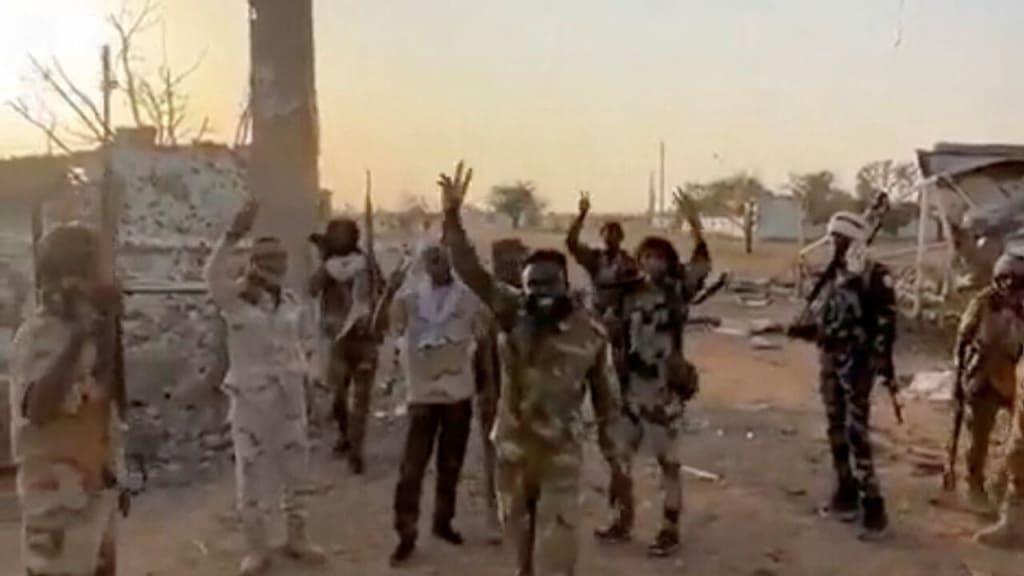
Sudan’s civil war continues to intensify as the Sudanese Armed Forces (SAF) and the Rapid Support Forces (RSF) battle for control over key regions. This week, tensions rose again after the RSF claimed it had captured Babnusa, a strategically important city in the West Kordofan region. The SAF quickly rejected the claim, calling it “false propaganda” designed to mislead the public and weaken national morale.
The conflicting statements highlight a growing pattern in Sudan’s war—both sides fighting not only on the ground but also through information warfare. As the struggle enters another brutal phase, millions of Sudanese people are left caught between competing narratives and escalating violence.
A City With Critical Importance
Babnusa is not just another town on the war map. It sits at a crucial crossroads connecting Kordofan’s agricultural heartland with vital transportation routes used for trade, fuel supply, and military movement. Control over Babnusa could offer a significant military advantage, enabling the controlling side to block supply lines or expand operations deeper into Kordofan and Darfur.
The RSF’s claim of seizing the city, if true, would mark one of its most substantial territorial gains in recent months. However, the Sudanese military adamantly denied this, saying troops “remain fully in control” and that any clashes in the area were “minor skirmishes exaggerated for political impact.”
Information Warfare: A Second Battlefield
With Sudan’s communication systems heavily damaged and international media access severely restricted, verifying battlefield claims has become extremely difficult. Both sides rely on social media updates, spokesperson statements, and local networks to shape public perception.
Analysts say this information battle is now a major component of the conflict. Controlling the narrative can boost fighters' morale, influence international attention, and sway local populations to support one side over the other.
In this environment, Babnusa has become more than a physical battleground—it is a symbol of whichever force appears stronger at any given moment.
Humanitarian Crisis Deepens
While the military factions trade claims, Sudanese civilians continue to suffer the most. West Kordofan, already struggling with food shortages and disrupted farming, faces new waves of displacement as families flee uncertainty around Babnusa.
Aid agencies report that:
Roads into the region are unsafe due to ongoing clashes
Food supplies are becoming scarce
Medical facilities lack basic equipment and medicines
Families are walking for days to reach safer towns
Despite the dire situation, humanitarian access remains extremely limited, with both sides accused of obstructing relief efforts
A Long War With No Clear End
The Sudan war began in April 2023 when tensions between the SAF and RSF exploded into full-scale conflict. What started as a power struggle between two rival generals—Abdel Fattah al-Burhan and Mohamed Hamdan Dagalo (Hemedti)—has turned into one of the world’s biggest displacement crises.
More than 10 million people have been forced from their homes, and vast regions of the country have been reduced to rubble. The fall of major cities such as Khartoum, Nyala, and El Geneina to RSF forces has shifted the balance of power repeatedly over the past two years.
Now, with Babnusa becoming a contested point, it is clear that neither side is prepared to negotiate or slow military operations.
Why the World Should Pay Attention
Sudan's conflict poses risks beyond its borders. Continued instability threatens:
Regional security, especially in Chad, South Sudan, and Ethiopia
Oil supply routes, as pipelines pass through West Kordofan
Refugee pressures, with neighboring countries already overwhelmed
The African food supply, due to disruptions in Sudan’s agricultural zones
Yet, despite its scale, Sudan’s war remains one of the most underreported global crises.
What Lies Ahead for Babnusa and Sudan
As of now, Sudanese civilians can only wait for clarity—whether Babnusa has truly fallen or whether the SAF will maintain control. What remains certain is that the battle for territory, power, and influence will continue to intensify in the months ahead.
With each new claim and counterclaim, the human cost grows. Until meaningful negotiations begin, Sudan will continue to face displacement, hunger, and instability.
For now, Babnusa stands as a symbol of a war with no winners—only victims.
About the Creator
Fiaz Ahmed Brohi
I am a passionate writer with a love for exploring and creating content on trending topics. Always curious, always sharing stories that engage and inspire.
Keep reading
More stories from Fiaz Ahmed Brohi and writers in The Swamp and other communities.
Imran Khan’s Sister Speaks Out: A Family’s Fight for Basic Rights
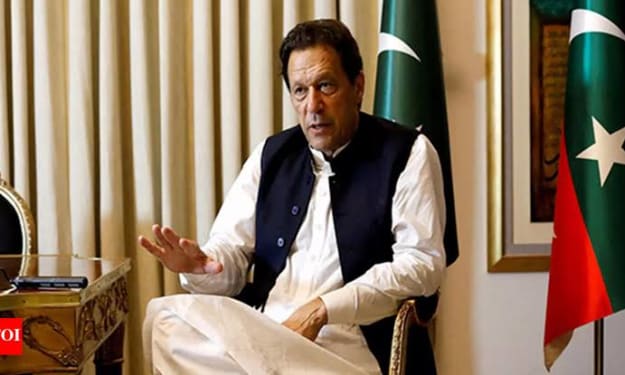
When political tensions rise, institutions often feel the strain—but families at the center of these storms experience an even deeper impact. This is exactly the situation surrounding former Pakistani Prime Minister Imran Khan, whose imprisonment continues to create waves not just within the nation’s political arena but also within his own family. Recently, Khan’s sister spoke to Deutsche Welle (DW), revealing that jail officials have repeatedly denied her requests to meet him—a development now fueling public concern, frustration, and questions about due process.
By Fiaz Ahmed Brohi2 months ago in The Swamp
Hamas Ordered to Disarm as US Brings in Gaza Transitional Government
A dramatic shift is underway in Gaza as Hamas has reportedly been ordered to disarm following the establishment of a US-backed transitional government in the territory. The move marks one of the most significant political and security changes in Gaza in decades, reshaping power dynamics in the region and raising urgent questions about stability, governance, and the future of Palestinian self-rule.
By Aarif Lashari4 days ago in The Swamp


Comments
There are no comments for this story
Be the first to respond and start the conversation.