
Soybean Farming In India
Cultivation and Market Value

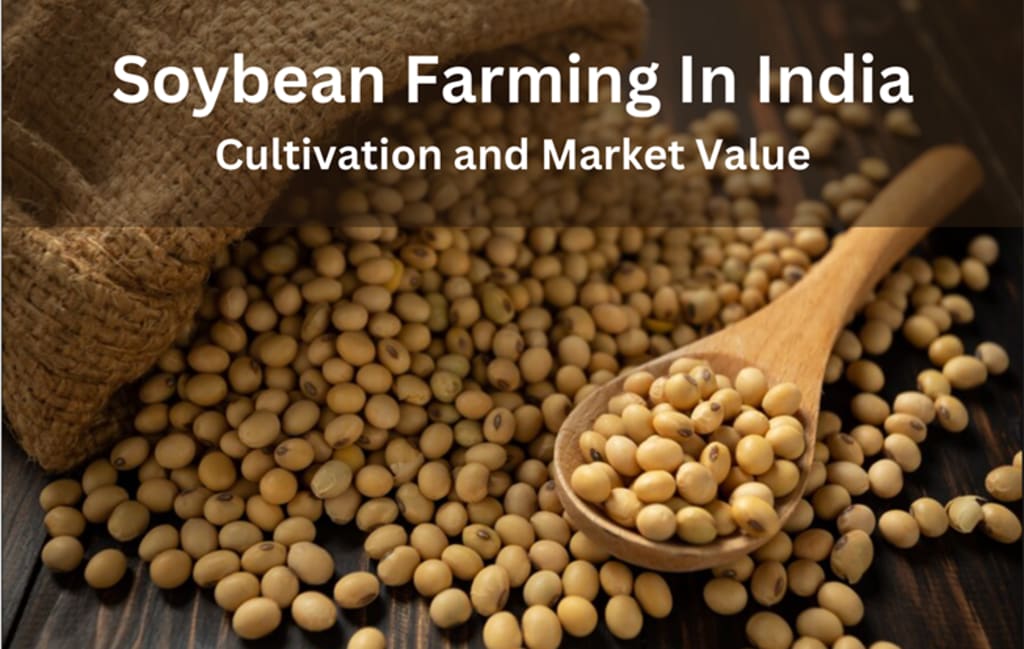
Soybean is also known as golden bean or Miracle crop because of its high protein and oil content. The origin of the legume is from China. It was brought to India many years ago across the Himalayan Mountains. Soybean planting is favourable to agro-climatic conditions. The states that are majorly growing soybeans are Madhya Pradesh, Maharashtra, Andhra Pradesh, Uttar Pradesh, and Rajasthan.
Moreover, Soybeans play a major role in India's agricultural sector. The legume contains high protein and oil, which is a valuable source of nutrition for consumers. Let’s learn more about the cultivation process, market value, and the use of modern machinery like tractor to farm soybeans.
Cultivation: Step-by-Step Guide
Soybean farming requires careful planning and execution, from soil preparation to harvesting. Let’s learn more about the cultivation process.
Picking the Right Variety
Selecting a soybean variety that is suitable for the climate and region is important to ensure a good harvest. Consider factors like maturity period, disease resistance, and seed size while picking good quality seeds. Besides, popular varieties in India are JS 90-52, Pusa 12, etc.
Land Preparation
Land preparation is an important process in soybean cultivation. It requires fertile loam soil for good yield. To ensure good soil preparation, farmers can use powerful tractors like New Holland 4710 4WD. This versatile machine can efficiently do the tilling breaking up of compact soil and ensure proper aeration.
Additionally, soil Testing is a must to check the necessary nutrient levels. Farmers can use soil testing to check the nutrient richness of the soil and then do fertilization accordingly. The optimal sowing time varies depending on the region or climate. It is probably around June and July during the monsoon season. Farmers directly put seeds into the field using a seed drill.
Weed Control
Weeds compete with Soybean plants for resources that hinder the growth of the young plant.
Implementing control strategies can help avoid weeds in the field in the early stages of development. Methods like pre-emergent herbicides or manual weedings can help control weed growth a lot.
Nutrient Management
Soybean thrives in proper nutrient management. After soil testing, farmers can apply fertilizers containing nitrogen, phosphorous and potassium. Also, Soybean plants require fertilizers during the growing phase.
Irrigation
Soybean is a moderately drought-tolerant plant. Supplemental irrigation, especially during dry spells, can help enhance yield. Drip irrigation is the most common and effective method for irrigation. It saves a lot of water, and it is best practiced in areas like Rajasthan.
Pest Management
Regularly monitoring the crop for signs of diseases at an early stage is important.
Implementation of integrated pest management strategies combined with control methods can be really helpful.
Harvesting
When Soybean pods turn brown and dry, they are ready for harvest. Harvesting can be done manually or using combined harvesters.
Farmers transport soybeans from the farm to the storage house with the help of tractors. If you are planning to buy a durable tractor, then you must check out the powertrac Euro 60 tractor. They are sturdy and good for commercial farming. Check and compare the Powertrac Euro 60 Price with others sharing the same specifications before you buy.
Product of Soybean Seeds
After harvesting, soybeans need cleaning, drying, and a good storage facility. These golden beans are then processed into various products. Let's learn more about them.
Soybean Meal: It is a high-protein animal feed, particularly used by farmers in poultry and livestock farming.
Soybean Oil: A versatile cooking oil made of soybean seeds, which are rich in antioxidants and healthy fats. It has versatile applications.
Soy Flour: A valuable ingredient in bakery products like tofu, etc., is made from soybean flour.
Market Value
The market for soybeans in India holds immense potential. Rising demand for protein consumption and growing awareness of the health benefits are boosting the domestic demand for it. India is now cutting down on its dependency on imported edible oils and using soybean oils for domestic use. Also, the country has the potential to become a major exporter of soybeans and its products in foreign markets.
Challenges
Despite its success, soybean farming is facing challenges in India. India’s soybean yield is low compared to major producers. By using advanced technologies, we can bridge this gap. Price fluctuations in the global soybean market can impact farmer's income. Every challenge offers an opportunity as well. Farmers need to diversify their ways of farming and also try methods like crop rotation to avoid losses.
Conclusion
Soybean farming in India plays a very important part in the Indian agricultural economy. We know there are some challenges, like lower yield and price changes. There are some exciting opportunities as well, like new technology and better ways to process soybeans. It can be used to make different products. By focusing on our challenges and opportunities, India can thrive in soybean farming.
About the Creator
Rajendra_Singh
I'm a agriculture blogger, who loves sharing my knowledge about growing things. On my blog, you'll find practical tips and interesting stories to help you get started!
Keep reading
More stories from Rajendra_Singh and writers in The Swamp and other communities.
Jute Cultivation:
"Golden Fiber" is the other name of jute and is essential to India's agricultural and economic system. This blog explores the interesting world of jute agriculture, highlighting its significance, the primary producing states, and the diverse applications and variations of jute. We'll also discuss how modern agricultural technology increases jute farming production.
By Rajendra_Singh2 years ago in The Swamp
A Gathering of Evil Bosses
“I’m the queen of chin jutting while I smooth my hair, attacking, insulting, and deflecting to protect my appointer.” “Oh, please, Blondi, my hair is curled, highlighted, and longer than yours. I feature television commercials telling immigrants that we will give them a free plane ride home, and if they voluntarily turn themselves in, they will be allowed to legally apply for re-entry. It runs everywhere, and I look good in it! You can’t compete because of your blond hair. Mine is nicer, and my lips are prettier than yours.”
By Andrea Corwin 17 days ago in The Swamp
From ad men to mad men
It's after 2am in the morning when a local police patrol vehicle in Northern New Jersey spots a figure costumed as Quasimodo, The Hunchback of Notre Dame, proceeding southbound on the sidewalk along Lydecker Street. Though the hunchback’s costume stuffing offers added insulation, it's January, and friggin’ freezing. Carefully, the officers slow down, gently question the subject, and offer him a ride home.
By David W. Maury2 days ago in Humor




Comments
There are no comments for this story
Be the first to respond and start the conversation.