

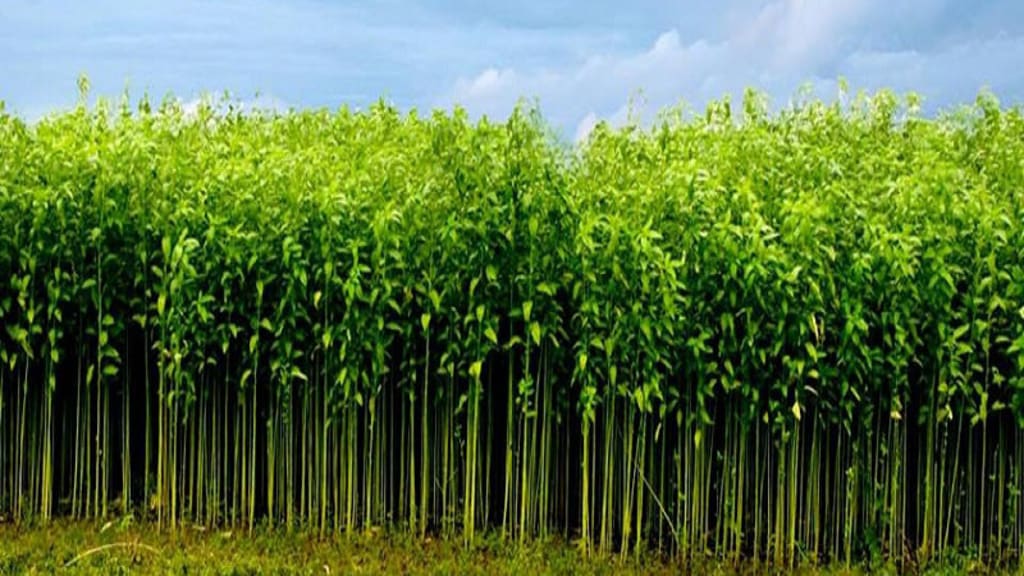
"Golden Fiber" is the other name of jute and is essential to India's agricultural and economic system. This blog explores the interesting world of jute agriculture, highlighting its significance, the primary producing states, and the diverse applications and variations of jute. We'll also discuss how modern agricultural technology increases jute farming production.
Introduction to Jute Cultivation
Jute farming is an important part of the agricultural history of various states and a significant contribution to the national economy.
If we talk about Jute structure, it’s fibre is long, silky, and shiny. It may be woven into strong, coarse threads. Jute is widely planted in the eastern regions of India.
Next, we’ll discuss who the biggest producer of Jute is in the world.
The Contribution of India in Jute Production
The world knows that India is the land of agriculture and is a major source of many vital crops. But do you know where India stands for jute farming?
India ranks among the world's leading producers. Due to its large agricultural area and pleasant climate, the nation is perfect for jute farming.
It is true that India produces over 60% of the jute used worldwide. Exports support the nation's GDP while also assisting millions of farmers in maintaining their standard of living.
List of the Largest Producing Countries in the world
We are going to explore the top countries that are producing jute in large amounts to meet the growing demand. Here is the list of countries that are the biggest producers according to production capacity.
Major Jute-Producing States in India
Jute is mostly grown in a few areas in India that provide the ideal conditions for the crop to grow successfully. The major states that produce jute are:
Varieties of Jute in India
India grows two main varieties of jute, each with unique characteristics and uses:
White Jute (Corchorus capsularis): This variety of fibre is known for its delicate white fibres. It is mostly utilised in the textile sector to create ropes, bags, and textiles.
Tossa Jute (Corchorus olitorius): Strong, thick fibres, usually brown, are made by tossa jute. Ropes, hessian fabric, and other strong substances are made from it.
Due to the widespread cultivation of both of these kinds, India holds a prominent place in the world jute market.
Cultivation Practices for Jute
If you’re a farmer and thinking of growing jute on your farm, then these are some important steps. By following these steps, you can produce high-quality jute because this cultivation involves a series of steps.
Land Preparation
The ground needs to churn completely to achieve a smooth soil texture. Proper soil preparation is important for encouraging strong plant growth and increasing crop production.
Planting
Plant jute seeds in a row, and ensuring proper spacing is important for the plants to grow.
Weeding and Thinning
It is important to always remove unwanted plants and thin out overcrowded vegetation to avoid nutrient competition. Thinning assures that only the strongest plants survive.
Irrigation and Fertilisation
Jute requires lots of water, especially while it is growing. Fertilisers are used to support strong development.
Harvesting
The right time to harvest the jute is when the plants achieve a height of approximately 2.5 to 3 meters.
The Role of Modern Equipment in Jute Farming
The 45 HP engine and air-cooled system of the Eicher 485 tractor are ideal for increasing farming output. The 2.95L engine's strong performance, along with a reliable fuel injection system, can easily handle difficult tasks.
With its 8 forward + 2 backward gears and a dual-clutch option, the tractor's gearbox is quite adaptable. This setup enables smooth handling and accurate manoeuvring, which is vital for effectively operating different farming tools.
Additionally, with a lifting capacity of 1650 kg and a three-point linkage system, the Eicher 485 can easily handle heavy equipment needed for jute farming, such as seed drills and ploughs.
Moreover, its durable wheels offer excellent grip and balance, enabling efficient performance in difficult environments. The tractor is perfect for large agricultural tasks with its increased fuel efficiency, thanks to a 45-litre fuel tank and inline fuel injection pump, which help reduce operational expenses.
Furthermore, the Eicher 485 prioritises operator comfort and safety, providing options such as mechanical or optional power steering and trustworthy braking systems. This tractor's toughness, along with its modern characteristics, is crucial for jute farmers as it helps them boost production and efficiently optimise their farming methods.
Conclusion
Now, we know that India is the top jute producer. India boosts its economy by supporting its farmers and improving its export revenue. India remains at the top spot in this field, with key jute-producing states such as West Bengal, Assam, and Bihar.
Additionally, the Eicher 485 tractor is changing the farming industry with increased effectiveness and output.
Therefore, jute continues to be essential for multiple industries, emphasising India's significance in its production and ensuring its continued importance in agriculture.
About the Creator
Rajendra_Singh
I'm a agriculture blogger, who loves sharing my knowledge about growing things. On my blog, you'll find practical tips and interesting stories to help you get started!
Keep reading
More stories from Rajendra_Singh and writers in The Swamp and other communities.
Types of Farming in India
Farming in India plays an important role in improving the quality of livelihood of two-thirds of the population. India ranks second largest in agricultural production in the world. It produces different varieties of crops and raw materials for industries as well.
By Rajendra_Singh2 years ago in The Swamp
Parallel Protests
I haven't written for quite some time, but I have A LOT of thoughts about yesterday's protest rally against our government's involvement and complicity in America's war on Iran, on the harbourside of my home city Bristol, and I need to put them somewhere. My gorgeous girlfriend is always a loving and listening ear and sharing it all with her will always be a healthy and happy way of processing the mental and emotional weight, but getting it straight in my brain to share means writing it all down in straight lines, so, here we are and thanks for being here.
By Steph Cole6 days ago in The Swamp


Comments (1)
Hey, just wanna let you know that this is more suitable to be posted in the Earth community 😊