
Silver Prices in Pakistan Today – 23th February, 2026
As global bullion markets fluctuate and investor interest grows, silver prices in Pakistan continue to reflect changing economic conditions and shifting consumer demand.

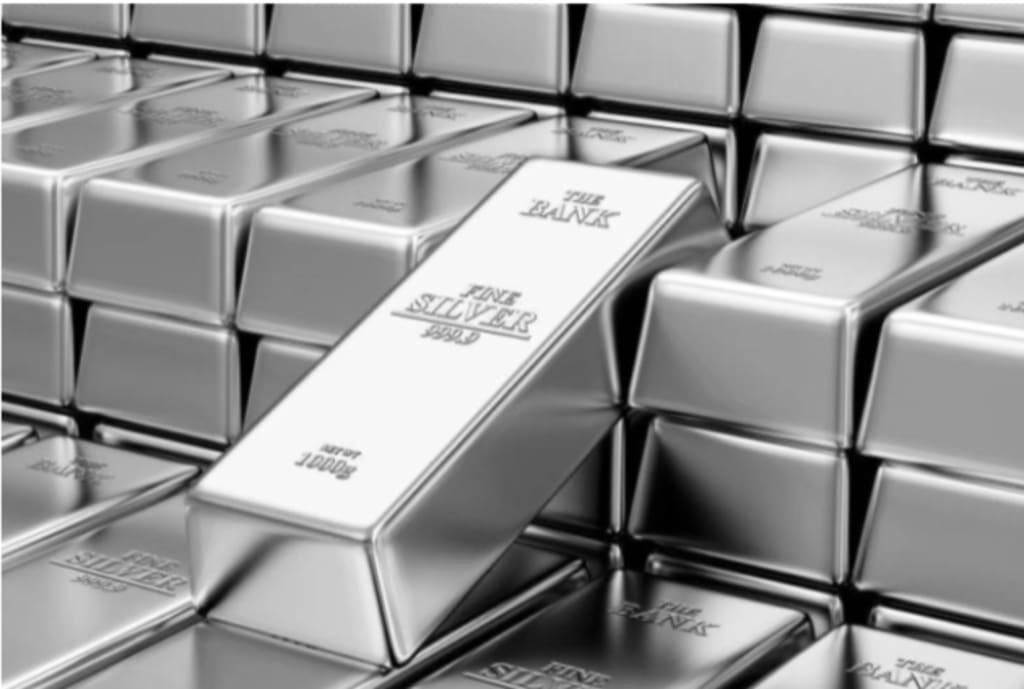
Silver, often referred to as the “poor man’s gold,” has long played an important role in both investment and daily life across Pakistan. Used in jewelry, utensils, industrial production, and as a hedge against inflation, silver remains one of the most traded precious metals in the country. On 23th February, 2026, silver prices showed noticeable movement, mirroring trends in international markets and highlighting the ongoing uncertainty in the global economy.
Current Silver Rates in Pakistan
According to local bullion market updates, silver prices across major cities such as Karachi, Lahore, and Islamabad remained consistent with international trends. The rate of 24-karat silver per tola hovered around Rs. 9,000, while 10 grams of silver traded close to Rs. 7,800. These figures indicate a modest increase compared to previous trading sessions, signaling renewed strength in the precious metals sector.
While silver does not experience the same dramatic price swings as gold, even small increases can significantly impact consumer behavior and investment decisions. For traders and investors, today’s rates suggest cautious optimism, while buyers remain alert to further fluctuations.
Why Are Silver Prices Changing?
Silver prices are influenced by several interconnected factors, both domestic and international. Unlike gold, which is primarily viewed as a store of value, silver has a dual identity — it is both a precious metal and an industrial commodity. This makes its price sensitive to a wider range of forces.
Global Market Trends
International silver prices have been rising due to geopolitical tensions, inflationary concerns, and uncertainty in financial markets. When stock markets appear unstable, investors turn to precious metals for protection. As Pakistan’s local silver prices are linked to global spot rates, any increase internationally is quickly reflected in domestic markets.
Currency Exchange Rate
Another key factor is the Pakistani rupee’s performance against the US dollar. Since silver is traded globally in dollars, a weaker rupee makes imported silver more expensive. Even if global prices remain steady, fluctuations in exchange rates can push local prices higher.
Industrial Demand
Silver is widely used in electronics, solar panels, medical equipment, and automotive parts. Growth in these industries increases demand for silver, driving prices upward. In recent years, renewable energy projects and technology manufacturing have boosted silver consumption worldwide.
Impact on Consumers
For everyday consumers, rising silver prices bring mixed reactions. Silver jewelry is popular for weddings, gifts, and religious purposes. As prices increase, many buyers adjust their purchasing habits by choosing lighter designs or delaying purchases altogether.
Local jewelers report that customers are becoming more price-conscious. Instead of buying large sets, many now prefer minimalistic items such as rings, bracelets, and chains. Artificial jewelry has also gained popularity as an affordable alternative, especially among younger buyers.
Households that traditionally purchased silver utensils or decorative items are now reconsidering these expenses due to higher costs. This shift reflects how precious metal prices directly influence daily spending patterns.
Silver as an Investment Option
Silver continues to attract attention as an investment asset, particularly for those who cannot afford gold. Investors often view silver as a hedge against inflation and currency devaluation. Its lower entry price makes it accessible to middle-income groups who want to preserve their savings in physical assets.
Many investors prefer silver bars and coins instead of jewelry, as they involve fewer making charges and are easier to resell. Market analysts note that silver’s volatility can present short-term trading opportunities, while long-term holders see it as a safeguard against economic instability.
With banks offering limited returns on savings and stock markets showing fluctuations, silver has emerged as a practical diversification tool in personal portfolios.
Economic and Market Effects
The movement of silver prices has broader implications for the economy. Jewelers, manufacturers, and traders all feel the impact of price changes. Higher silver rates can reduce demand for luxury items, slowing retail sales in certain sectors. On the other hand, traders and investors benefit from rising market values.
Industries that rely on silver as a raw material, such as electronics and medical equipment producers, may experience higher production costs. These costs can eventually be passed on to consumers in the form of increased prices for finished goods.
In addition, fluctuations in silver prices often reflect overall economic sentiment. When prices rise sharply, it usually indicates uncertainty in global financial systems. When they stabilize or decline, it suggests renewed confidence in traditional investments.
What Lies Ahead?
Forecasting silver prices remains challenging due to unpredictable global and domestic conditions. If inflationary pressures persist and geopolitical tensions continue, silver could maintain its upward trend. A stable rupee and improved economic outlook, however, could bring some relief to buyers by slowing down price increases.
Experts recommend keeping an eye on three main indicators:
Global precious metal markets
Currency exchange rates
Industrial demand trends
Any major shift in these areas could significantly influence silver prices in the coming weeks.
Changing Perception of Silver
Traditionally, silver in Pakistan was viewed as a secondary metal compared to gold. Today, that perception is evolving. Younger investors are increasingly interested in silver due to its affordability and potential for growth. Digital platforms and online trading have also made it easier for people to track prices and make informed decisions.
This shift indicates that silver is no longer just a decorative metal — it is becoming a serious financial asset for many households.
Final Thoughts
Silver prices in Pakistan on 23th February, 2026 reflect a market shaped by global uncertainty, local currency challenges, and changing consumer habits. For investors, silver offers a relatively affordable hedge against inflation and economic volatility. For consumers, rising prices require careful planning and smarter purchasing choices.
While silver may not command the same headlines as gold, its role in the economy and in daily life remains significant. As markets continue to evolve, silver will likely stay at the center of financial discussions — proving that even in uncertain times, its value continues to shine.
In the coming days, all eyes will remain on both international bullion markets and local economic indicators to determine whether silver prices climb further or find stability. One thing is certain: silver’s importance in Pakistan’s financial and cultural landscape is stronger than ever.
About the Creator
Sajida Sikandar
Hi, I’m Sajida Sikandar, a passionate blogger with 3 years of experience in crafting engaging and insightful content. Join me as I share my thoughts, stories, and ideas on a variety of topics that matter to you.
Keep reading
More stories from Sajida Sikandar and writers in The Swamp and other communities.
Gold Inches Closer to Rs. 5.5 Lac Per Tola in Pakistan
Gold has always held a special place in the hearts and homes of people in Pakistan. It is more than just a precious metal — it represents security, tradition, and long-term savings. From wedding jewelry to family investments, gold plays a central role in daily life. Now, as prices surge closer to Rs. 5.5 lakh per tola, the nation finds itself at a crossroads between rising wealth for investors and growing pressure on ordinary buyers.
By Sajida Sikandarabout 5 hours ago in The Swamp
A Gathering of Evil Bosses
“I’m the queen of chin jutting while I smooth my hair, attacking, insulting, and deflecting to protect my appointer.” “Oh, please, Blondi, my hair is curled, highlighted, and longer than yours. I feature television commercials telling immigrants that we will give them a free plane ride home, and if they voluntarily turn themselves in, they will be allowed to legally apply for re-entry. It runs everywhere, and I look good in it! You can’t compete because of your blond hair. Mine is nicer, and my lips are prettier than yours.”
By Andrea Corwin 5 days ago in The Swamp
Iran Wants Deal Apparently!!!
Protests have flared up again over the weekend in Iran. As the university term started, students gathered on campuses to protest the regime and show their support for it. This time, these protests are not as great as the ones in January. Some thought the clerical regime could be swept away as the Shah's regime was in 1979, which led to the rise of the Ayatollahs.
By Nicholas Bishopabout 7 hours ago in The Swamp
At My Wits’ End
Life is about taking out the trash and calling it trash because you have every reason to. It wasn't meant to be linear, they say. But the times you tried to make it straight led to problems, and you didn’t have the tools to put any of it to use. You don't put your right shoes on the right feet; you put the left shoes on the left feet. The grey hardened slab will trip you up anyway.
By Caitlin Charlton4 days ago in Humans


Comments
There are no comments for this story
Be the first to respond and start the conversation.