
Gold Inches Closer to Rs. 5.5 Lac Per Tola in Pakistan
As global bullion rates rise and investor demand strengthens, gold prices in Pakistan approach historic highs, creating both opportunity and anxiety for consumers and traders alike.

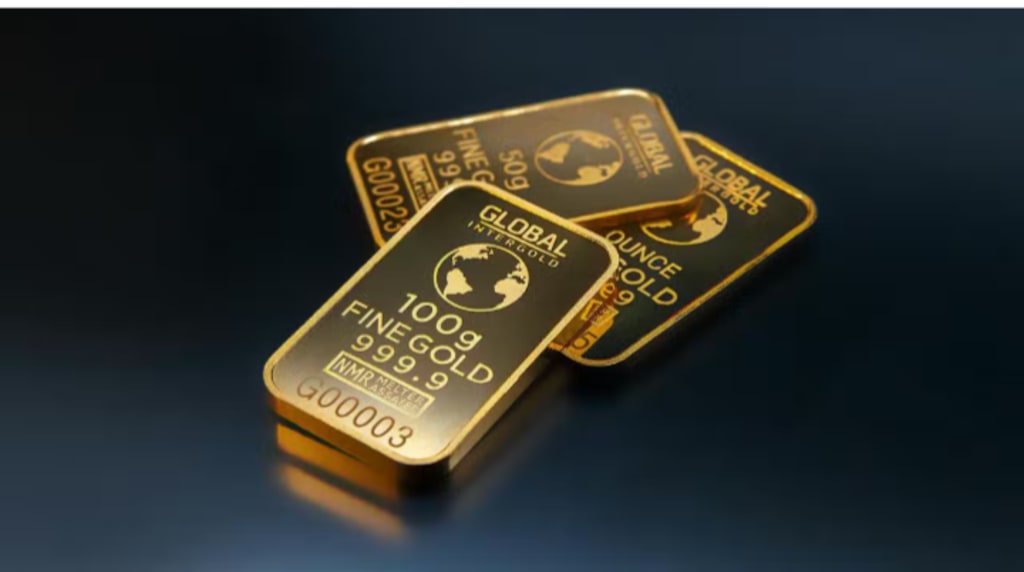
Gold has always held a special place in the hearts and homes of people in Pakistan. It is more than just a precious metal — it represents security, tradition, and long-term savings. From wedding jewelry to family investments, gold plays a central role in daily life. Now, as prices surge closer to Rs. 5.5 lakh per tola, the nation finds itself at a crossroads between rising wealth for investors and growing pressure on ordinary buyers.
A Historic Price Milestone
Recent market updates show that 24-karat gold has climbed to around Rs. 536,000 per tola, inching dangerously close to the psychological mark of Rs. 5.5 lakh. This sharp increase in price reflects a broader global trend where gold is regaining its status as a safe-haven asset.
For traders, this surge signals strong demand and healthy market activity. For households, however, it raises concerns about affordability. A metal that was once considered a routine wedding expense is now turning into a luxury that requires careful financial planning.
Why Are Gold Prices Rising?
Several factors are pushing gold prices upward:
1. Global Market Influence
International bullion prices have shown strong momentum due to economic uncertainty, currency fluctuations, and geopolitical tensions. Since Pakistan’s gold market closely follows international rates, any increase abroad is quickly reflected locally.
2. Investor Confidence in Gold
When inflation rises and currencies lose value, investors traditionally turn to gold as a store of wealth. Many people see gold as a shield against financial instability, making it a preferred investment option during uncertain times.
3. Local Currency Pressures
The weakening of the Pakistani rupee has also contributed to higher gold prices. Since gold is traded globally in US dollars, any drop in the local currency automatically makes gold more expensive in rupee terms.
Impact on Consumers
For the average Pakistani household, this price surge is not just a headline — it’s a real challenge.
Weddings, which traditionally involve significant gold purchases, are becoming more expensive. Families planning ceremonies are either reducing the amount of jewelry they buy or delaying purchases in hopes that prices will stabilize. Jewelers report a visible shift in consumer behavior, with customers opting for lighter designs or choosing artificial jewelry as a substitute.
Seasonal demand also plays a role. With wedding seasons approaching after Ramadan, many families had expected to make gold purchases. Instead, they are now forced to rethink their budgets.
Jewelry Buyers vs. Investors
There is a growing divide between two types of gold buyers:
Jewelry Consumers
These buyers are emotionally and culturally attached to gold. For them, gold represents beauty and tradition. However, rising prices mean fewer purchases and simpler designs. Making charges and taxes further increase the final cost, pushing many away from luxury pieces.
Investors
On the other hand, investors are benefiting from the surge. Those who bought gold earlier are now seeing impressive returns. Many new investors are also entering the market, buying gold bars and coins rather than jewelry, as they involve fewer additional costs and are easier to sell later.
This shift shows how gold is slowly transforming from a cultural commodity into a financial instrument.
Economic Ripple Effects
The rising price of gold does not only affect jewelers and buyers. It has wider implications for the economy:
Retail slowdown: Jewelry sales decline as consumers cut back on spending.
Increased savings in gold: People choose gold over banks or stocks, changing savings patterns.
Market speculation: Traders closely monitor international signals, increasing volatility.
While some sectors benefit from the rise in gold prices, others — such as small jewelry businesses — may struggle to survive reduced foot traffic and shrinking margins.
What Could Happen Next?
Predicting gold prices is never easy. Analysts suggest that if global uncertainty continues and inflation remains high, gold may cross the Rs. 5.5 lakh mark in the near future. However, any improvement in global economic conditions or stabilization of currencies could slow down the momentum.
Gold markets are famously sensitive to news related to interest rates, international conflicts, and economic policies. A single major shift in these areas can cause prices to move sharply in either direction.
A Changing Relationship with Gold
Traditionally, gold in Pakistan symbolized long-term family security and social status. Today, it is increasingly seen as a financial hedge and investment tool. This change reflects a broader transformation in how people manage their wealth.
Young investors are turning to digital platforms and bullion investments, while older generations still prefer physical jewelry. Both approaches highlight gold’s continuing importance in society — even as its price reaches unprecedented levels.
Final Thoughts
Gold edging closer to Rs. 5.5 lakh per tola is more than just an economic update; it is a reflection of global uncertainty, local currency challenges, and shifting consumer behavior. For investors, it signals opportunity and protection. For ordinary buyers, it represents a growing financial burden.
Whether prices continue to rise or stabilize, one thing remains certain: gold will continue to shape financial decisions and cultural traditions across Pakistan. As households, traders, and policymakers watch the markets closely, gold’s glitter now comes with both promise and pressure.
About the Creator
Sajida Sikandar
Hi, I’m Sajida Sikandar, a passionate blogger with 3 years of experience in crafting engaging and insightful content. Join me as I share my thoughts, stories, and ideas on a variety of topics that matter to you.
Keep reading
More stories from Sajida Sikandar and writers in The Swamp and other communities.
These Shy, Scaly Anteaters Are the Most Trafficked Mammals in the World
In the quiet forests and grasslands of Africa and Asia, a remarkable creature quietly scuttles along the forest floor, searching for ants and termites. Covered in hard, overlapping scales that resemble armor, the pangolin is one of the most unique mammals on Earth. Shy, solitary, and nocturnal, these scaly anteaters have lived for millions of years, yet today they face a threat that could erase them from the wild: illegal trafficking.
By Sajida Sikandar2 days ago in The Swamp
A Gathering of Evil Bosses
“I’m the queen of chin jutting while I smooth my hair, attacking, insulting, and deflecting to protect my appointer.” “Oh, please, Blondi, my hair is curled, highlighted, and longer than yours. I feature television commercials telling immigrants that we will give them a free plane ride home, and if they voluntarily turn themselves in, they will be allowed to legally apply for re-entry. It runs everywhere, and I look good in it! You can’t compete because of your blond hair. Mine is nicer, and my lips are prettier than yours.”
By Andrea Corwin 5 days ago in The Swamp



Comments
There are no comments for this story
Be the first to respond and start the conversation.