
Shadow Wars and Sanctions: Unraveling the U.S.–Iran Tensions in 2025
Shadow Wars and Sanctions: Unraveling the U.S.–Iran Tensions in 2025
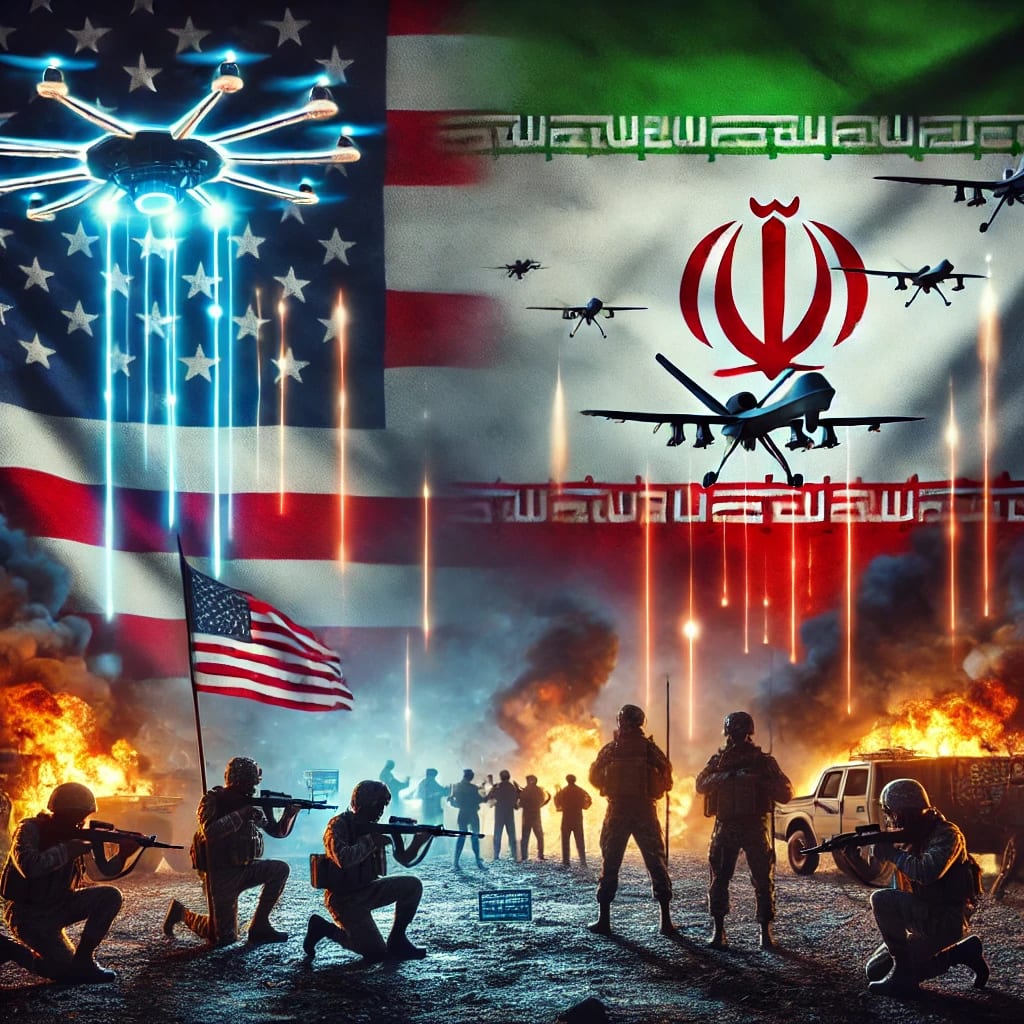
Shadow Wars and Sanctions: Unraveling the U.S.–Iran Tensions in 2025**
*By MD Mahim*
---
## **Introduction: A Rivalry That Shapes the Middle East**
The tension between the United States and Iran is one of the most enduring and complex rivalries in modern geopolitics. From the 1979 Iranian Revolution to the U.S. withdrawal from the nuclear deal in 2018, and now to the shadowy cyberattacks, drone strikes, and sanctions of 2025 — the two nations continue to stand on opposite ends of a decades-long ideological and strategic battle.
The conflict is more than just bilateral. It influences the entire Middle East, pulls in global powers like Russia and China, and directly affects the lives of millions. Understanding this intricate relationship requires looking beyond headlines and exploring the forces—political, historical, religious, and economic—that sustain this enmity.
---
## **Roots of the Rivalry: From Revolution to Retaliation**
### 🔹 The 1979 Iranian Revolution
The U.S.–Iran conflict began with the overthrow of the U.S.-backed Shah during Iran’s Islamic Revolution. The rise of Ayatollah Khomeini transformed Iran into a theocratic state opposed to Western influence, particularly American intervention in the region.
### 🔹 U.S. Hostage Crisis
In 1979, Iranian students stormed the U.S. Embassy in Tehran, taking 52 Americans hostage. This event shattered diplomatic relations and seeded decades of distrust.
### 🔹 Iran’s Regional Strategy
Iran’s influence over groups like Hezbollah in Lebanon, the Houthis in Yemen, and various militias in Iraq and Syria have been perceived by the U.S. and its allies as efforts to destabilize the region.
---
## **The JCPOA and Its Collapse**
### 🔹 The Iran Nuclear Deal (2015)
Under President Obama, the U.S. and world powers signed the Joint Comprehensive Plan of Action (JCPOA) with Iran. In exchange for lifting economic sanctions, Iran agreed to limit its nuclear activities and allow inspections.
### 🔹 Trump’s Withdrawal (2018)
President Donald Trump withdrew from the JCPOA, calling it "the worst deal ever made," and reimposed harsh sanctions. This triggered a downward spiral of mistrust and confrontation, with Iran gradually stepping back from its nuclear commitments.
### 🔹 The Aftermath
Since then, Iran has enriched uranium beyond agreed limits, while the U.S. has imposed crippling sanctions, leading to economic hardship within Iran and increased tensions in the Persian Gulf.
---
## **Recent Escalations (2023–2025): Drones, Proxies, and Cyberwars**
### 🔹 The Assassination of General Qassem Soleimani (2020)
While not recent, this assassination by a U.S. drone strike was a turning point. Iran responded with missile attacks on U.S. bases in Iraq, increasing the risk of war.
### 🔹 Cyber Attacks and Espionage
In 2024–2025, both nations have reportedly ramped up cyber warfare:
- Iran targeting U.S. infrastructure and oil pipelines
- The U.S. allegedly attacking Iranian nuclear and military networks
### 🔹 Syria and Iraq as Proxy Battlefields
Iran-backed militias have been accused of attacking U.S. bases in Iraq and Syria, while the U.S. has launched counter-airstrikes. The Biden and now post-Biden administration maintain a fragile balance of retaliation and restraint.
---
## **The Sanctions War: Economic Strangulation vs Strategic Patience**
### 🔹 U.S. Sanctions
- Ban on Iranian oil exports
- Restrictions on banking, shipping, and aviation
- Sanctions on individuals, companies, and military institutions
These measures aim to weaken Iran’s economy, but often hurt ordinary citizens the most.
### 🔹 Iran’s Response
Iran has shifted towards **“resistance economy”** — strengthening domestic industries and turning to barter systems and trade with allies like China.
---
## **Who Supports Iran? Who Opposes It?**
### ✅ **Iran’s Key Allies:**
- **Russia:** Military cooperation, arms sales, and diplomatic backing at the UN
- **China:** Major buyer of Iranian oil, strategic partner through the Belt & Road Initiative
- **Syria:** Iran supports the Assad regime
- **Hezbollah, Houthis, and Popular Mobilization Forces:** Iranian-backed non-state actors across the Middle East
- **North Korea:** Occasionally exchanges missile and nuclear technology
### ❌ **Iran’s Adversaries:**
- **United States:** Primary geopolitical rival
- **Israel:** Strong intelligence and military opposition, frequent strikes on Iranian assets in Syria
- **Saudi Arabia:** Competes with Iran for regional dominance; though recent attempts at détente via Chinese mediation have calmed direct hostility
- **European Union:** Generally critical of Iran’s nuclear program, though more diplomatic in approach
---
## **The Trump Factor (Again?): U.S. Elections and Iran Policy**
If Donald Trump or a Trump-aligned candidate returns to power, the chances of diplomatic resolution may drop. Trump’s stance has always been aggressive, favoring "maximum pressure" over engagement. This could mean:
- More sanctions
- Potential military confrontation
- Collapse of remaining nuclear negotiations
---
## **Regional Impacts: The Risk of a Wider War**
Tensions between Iran and the U.S. don’t remain isolated. Consequences include:
- Instability in Iraq, where U.S. and Iran-backed forces are often in close proximity
- Threats to global oil supply via the Strait of Hormuz
- Disruption in Lebanon, Yemen, and Syria due to proxy conflicts
- Rising Sunni–Shia tensions in the Islamic world
---
## **Can Peace Be Possible?**
Despite decades of hostility, diplomacy is not dead. Talks have occurred in Oman, Qatar, and even behind closed doors in Vienna. But peace requires:
- Mutual respect
- Real security guarantees
- Lifting of crushing sanctions
- Iran limiting its nuclear and regional ambitions
Both nations know that full-scale war would be catastrophic. The world is watching — and hoping for diplomacy over destruction.
---
## **Conclusion: The Future of U.S.–Iran Relations**
The U.S.–Iran conflict is more than a clash between two nations—it is a microcosm of modern geopolitics, shaped by oil, ideology, and power. As we move deeper into 2025, the choices made by leaders in Washington and Tehran will determine whether the Middle East finds a path to peace—or plunges further into chaos.
The stakes couldn’t be higher. And the world can no longer afford to look away.
---
### 📌 **SEO Meta Description:**
An in-depth look at the escalating tensions between Iran and the United States in 2025, exploring the history, nuclear issues, proxy wars, allies, and the global stakes involved.
About the Creator
Global Blow Torch Market Size and Forecast 2025–2033
Introduction: A Tool with Firepower and Finesse The global blow torch market is poised for steady and promising growth, projected to expand from US$ 348.42 million in 2024 to US$ 527.23 million by 2033, registering a CAGR of 4.71% during 2025–2033, according to Renub Research. Once regarded primarily as an industrial heating device, the blow torch has evolved into a versatile tool used across manufacturing, construction, automotive repair, jewelry making, and even culinary arts.
By Janine Root 7 days ago in The Swamp


Comments
There are no comments for this story
Be the first to respond and start the conversation.