
Saudi Coalition Will Counter Yemen Separatists Undermining De-escalation
Riyadh Vows Strong Response as Southern Forces Challenge Peace Efforts in Yemen
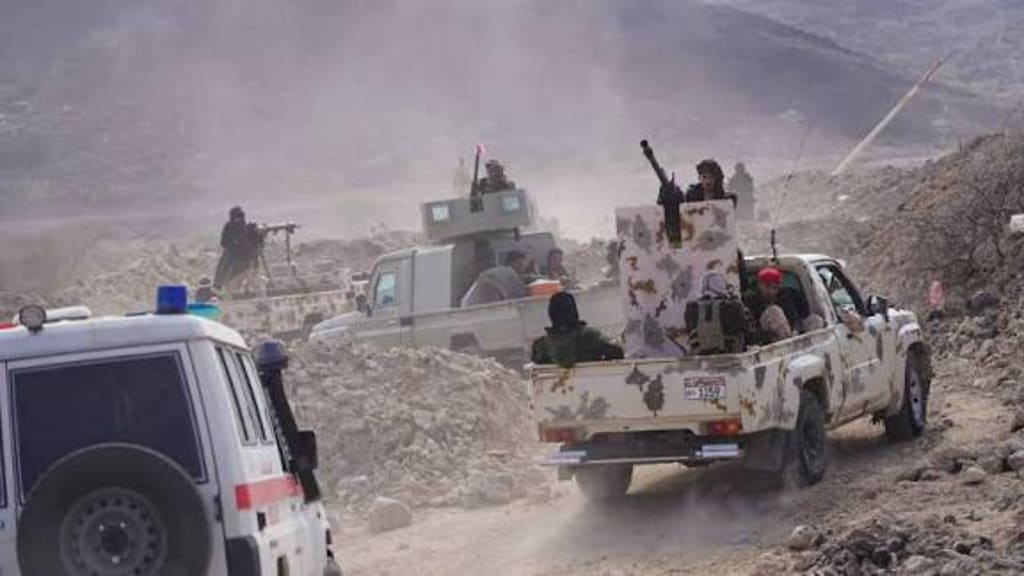
The delicate path to peace in Yemen faces a fresh challenge as the Saudi-led coalition has declared its intention to counter southern separatist movements that are reportedly undermining de-escalation efforts in the war-torn country. The announcement comes amid growing concerns that renewed tensions in southern Yemen could destabilize fragile ceasefires and derail international diplomatic efforts aimed at ending one of the world’s most protracted conflicts.
Southern separatists, particularly those aligned with the Southern Transitional Council (STC), have been accused of obstructing the ongoing peace process and consolidating power in regions where the Saudi coalition has sought to mediate calm. Riyadh’s statement underscores the coalition’s zero-tolerance stance toward any group that threatens the delicate balance of power and security in Yemen. Officials emphasized that coordinated action would be taken to prevent destabilizing maneuvers that could reignite hostilities.
For years, Yemen has been embroiled in a complex civil war, with multiple factions vying for power. The conflict pits Houthi rebels, who control large portions of northern Yemen, against government forces supported by the Saudi-led coalition. Meanwhile, the STC and other southern separatist groups have sought autonomy in the south, often clashing with government forces and creating parallel centers of power. The fragmentation of authority has made peace negotiations extremely challenging, leaving civilians caught in the crossfire.
Saudi Arabia’s latest warning reflects frustration with the STC’s actions in areas like Hadramout and Shabwa, where separatist forces have reportedly refused to adhere to previously agreed-upon de-escalation arrangements. Analysts note that the coalition’s response is likely aimed at signaling both a commitment to regional stability and a message to other parties involved in the conflict that any attempts to undermine peace will not be tolerated.
The implications of renewed tensions are significant. Humanitarian agencies already report severe shortages of food, medicine, and essential services across Yemen. Any escalation triggered by separatist resistance could exacerbate an already dire situation, placing millions more civilians at risk. The UN and other international actors have repeatedly stressed the importance of enforcing ceasefires and resuming meaningful negotiations to address both political and humanitarian needs.
Experts suggest that Riyadh’s approach will combine military readiness with diplomatic outreach. By demonstrating the capability to respond decisively, the Saudi-led coalition hopes to discourage separatist groups from unilateral actions while simultaneously encouraging dialogue. “The coalition is seeking to maintain leverage,” says Dr. Leila Mansour, a Middle East conflict analyst. “It’s a balancing act between showing strength and preserving avenues for negotiation. They cannot afford to allow fragmentation to spiral into renewed conflict.”
The STC, for its part, has emphasized its historical grievances and long-standing demand for southern autonomy. Leaders argue that political and economic marginalization has fueled frustration among southern communities, which they claim justifies their assertive stance. However, the international community has urged moderation, warning that any forceful assertion of authority by separatist factions could destabilize the entire southern region, complicating efforts to secure sustainable peace.
The Saudi coalition’s statement also comes at a time when regional powers are closely watching Yemen’s strategic position along the Bab el-Mandeb Strait, a vital shipping lane for global energy and trade. Stability in southern Yemen is not merely a local concern; it has far-reaching implications for international commerce and maritime security. Analysts note that any disruption caused by separatist defiance could prompt broader regional responses, heightening the stakes for all involved parties.
As the coalition prepares to counter separatist maneuvers, the focus remains on achieving a workable de-escalation framework that can prevent further bloodshed. Negotiators have suggested confidence-building measures, including coordinated security patrols, temporary withdrawal of forces from contested areas, and joint oversight mechanisms to monitor compliance with ceasefire agreements. Such initiatives aim to create trust between the central government, the STC, and international stakeholders, laying the groundwork for a more comprehensive peace settlement.
Ultimately, Yemen’s path to stability hinges on the ability of all parties to prioritize dialogue over confrontation. The Saudi coalition’s latest actions underscore the seriousness with which Riyadh views threats to de-escalation, but the situation remains fragile. Whether military measures will deter separatist defiance or exacerbate tensions is a question that analysts and diplomats alike are watching closely.
In a conflict that has lasted nearly a decade, the stakes are extraordinarily high. Millions of Yemenis rely on the fragile promise of peace to escape hunger, disease, and displacement. For the Saudi-led coalition and southern separatists alike, the coming weeks could define the trajectory of Yemen’s fragile recovery and the future of regional security.
About the Creator
Keep reading
More stories from Fiazahmedbrohi and writers in The Swamp and other communities.
UK and Germany Sign $70 Million Joint Deal for Mobile Artillery Systems
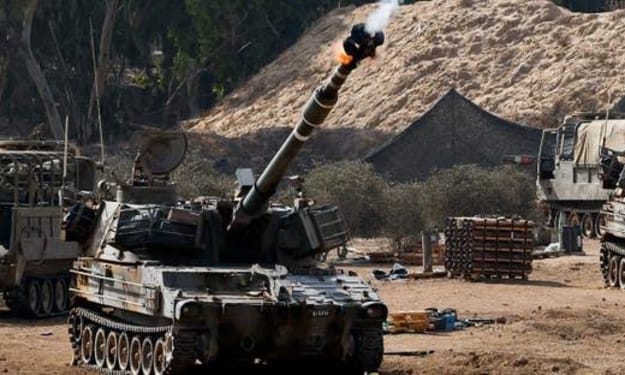
In a move that signals closer defense collaboration between European powers, the United Kingdom and Germany have officially signed a $70 million joint deal to acquire mobile artillery systems. The announcement has sparked interest among military analysts and policy experts, as it represents a strategic step toward modernizing defense capabilities in Europe amid ongoing global security challenges. The agreement, signed in Berlin last week, covers the development, production, and deployment of advanced self-propelled artillery systems. Both nations aim to enhance the mobility, precision, and responsiveness of their armed forces, addressing potential threats in the European theater. Officials from both sides have emphasized that the deal strengthens NATO’s collective defense while ensuring that Germany and the UK maintain cutting-edge capabilities against evolving military threats. Defense ministers from both countries highlighted the importance of interoperability, a key objective in modern military strategy. Mobile artillery systems are not only about firepower; they are about rapid deployment, flexibility on the battlefield, and seamless integration with other military assets. The systems included in this deal are designed to meet these criteria, featuring advanced targeting technology, improved ammunition capacity, and highly mobile chassis suited for diverse terrains. German Defense Minister Claudia Roth remarked, “This collaboration is more than a transaction; it is a demonstration of trust and mutual commitment to maintaining security in Europe.” She added that the systems would be produced in both countries, with joint oversight on research and development, training, and maintenance. This approach, Roth said, ensures that the armed forces of both nations can operate efficiently in tandem during combined operations or in response to crises. From the UK perspective, the Ministry of Defence underlined that the investment aligns with broader modernization goals. “Our forces must be agile, precise, and well-equipped to respond to threats anywhere in Europe,” a spokesperson said. The mobile artillery systems, they explained, represent a critical capability upgrade, allowing British forces to respond rapidly to regional security challenges without relying solely on static defense installations. Military experts note that the deal has geopolitical significance beyond technical enhancements. Europe faces growing uncertainties, from rising tensions near its eastern borders to the proliferation of advanced weapons in volatile regions. By securing this joint deal, the UK and Germany not only bolster their defensive readiness but also send a clear message of unity and deterrence to potential adversaries. The collaboration strengthens the European defense landscape while signaling that Western allies remain committed to joint security initiatives. The deal also reflects an ongoing trend toward multinational procurement and shared defense projects. As defense budgets are stretched and threats become more complex, countries are increasingly pooling resources to maximize efficiency and effectiveness. Joint ventures like this one allow for shared innovation, reduced costs, and standardization of equipment, which is critical for combined military operations within NATO or other allied frameworks. Financially, the $70 million investment will be divided across procurement, training, and support infrastructure. Analysts predict that production will create jobs in both countries’ defense sectors while driving technological advancements in areas such as artillery precision, mobility, and automated targeting systems. Additionally, joint training programs will ensure that soldiers from both countries can operate the new systems effectively, enhancing interoperability and strengthening military alliances. The agreement has also drawn attention from defense industries and contractors, who view it as a benchmark for future European collaborations. Both governments have emphasized transparency and accountability in the procurement process, aiming to set a standard for collaborative defense projects. Industry leaders suggest that this deal could pave the way for similar agreements involving other European nations, further solidifying continental defense capabilities. In conclusion, the $70 million UK-Germany joint deal for mobile artillery systems is more than a procurement exercise; it is a strategic, political, and technological initiative with broad implications. It represents a commitment to modernizing military capabilities, fostering cooperation, and enhancing regional security. By working together, the UK and Germany are taking proactive steps to ensure that their forces remain agile, technologically advanced, and capable of responding effectively to evolving threats. As global security dynamics continue to shift, collaborative defense initiatives such as this one will likely become increasingly critical. The deal demonstrates that through partnership, investment, and innovation, nations can build robust defense frameworks that not only protect their borders but also contribute to collective stability in Europe and beyond.
By Fiazahmedbrohi 19 days ago in The Swamp


Comments
There are no comments for this story
Be the first to respond and start the conversation.