
Saudi Arabia Stands as Earth’s Largest Country Without Permanent Rivers
How geography, climate, and ancient landscapes shaped a nation that thrives without flowing rivers

Subtitle:
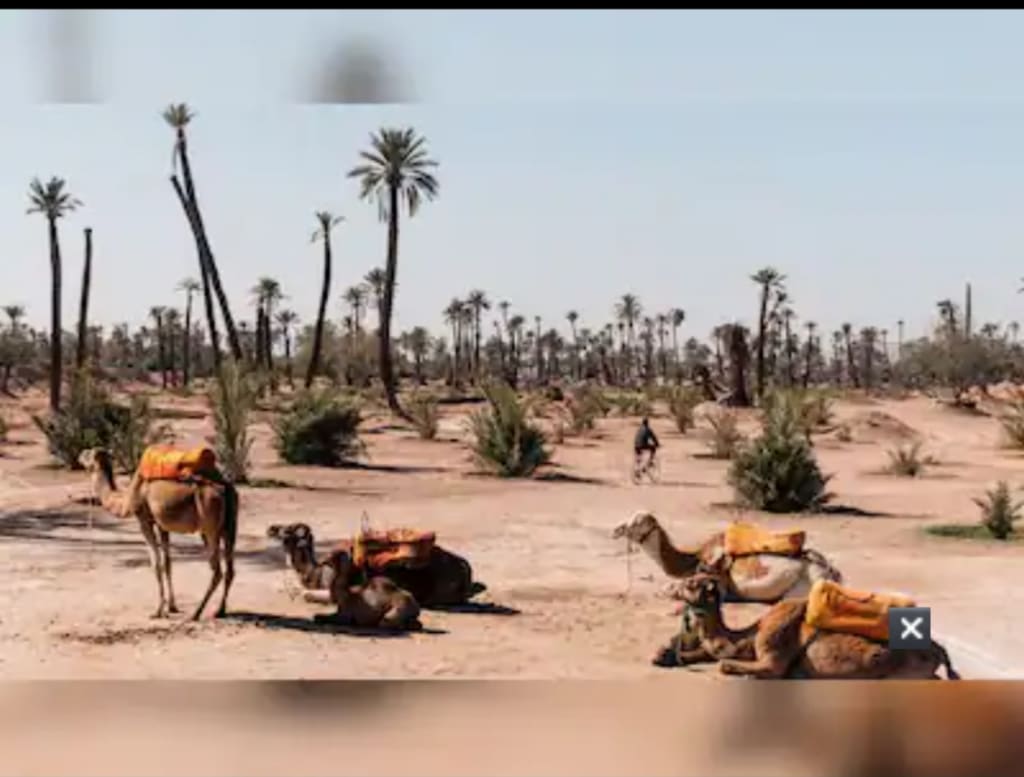
Saudi Arabia holds a unique and striking distinction on the global map: it is the largest country on Earth without a single permanent river. Covering more than 2.15 million square kilometers, the Kingdom dominates most of the Arabian Peninsula, yet none of its waterways flow year-round. This geographic reality has shaped Saudi Arabia’s history, settlement patterns, water management strategies, and modern development in profound ways.
While rivers have traditionally been the backbone of civilizations—from the Nile to the Indus—Saudi Arabia developed under vastly different environmental conditions. Understanding how and why the country lacks permanent rivers offers insight into both its harsh natural setting and its remarkable adaptation to scarcity.
---
Why Saudi Arabia Has No Permanent Rivers
The absence of permanent rivers in Saudi Arabia is primarily the result of climate and geology.
The Kingdom lies almost entirely within an arid to hyper-arid desert zone, receiving very low annual rainfall—often less than 100 millimeters per year in many regions. Rainfall, when it does occur, is unpredictable and unevenly distributed. Long dry spells are often followed by short bursts of intense rain, which do not sustain continuous river systems.
Geologically, Saudi Arabia lacks the high, snow-capped mountain ranges that feed perennial rivers elsewhere in the world. Without glaciers or consistent rainfall to replenish surface water, rivers cannot flow year-round. Instead, water runs quickly over hard desert surfaces, evaporates rapidly, or sinks into underground aquifers.
---
Wadis: Rivers That Appear and Disappear
Although Saudi Arabia has no permanent rivers, it is far from waterless. The country is crisscrossed by wadis—dry riverbeds that temporarily fill with water after rainfall.
Some of the most well-known wadis include:
Wadi Al-Rummah, one of the longest wadis in the Arabian Peninsula
Wadi Hanifah, which runs through Riyadh
Wadi Dawasir, historically important for agriculture
During heavy rains, these wadis can transform into fast-flowing torrents, sometimes causing floods. However, the water usually disappears within days or weeks due to evaporation and absorption into the ground. These episodic flows have historically supported agriculture, grazing, and early settlements, even without permanent rivers.
---
Ancient Arabia and Life Without Rivers
Long before modern technology, communities in the Arabian Peninsula learned to survive without continuous surface water. Early inhabitants relied on:
Natural springs and oases
Seasonal wadi flows
Rainwater harvesting
Deep groundwater wells
Cities such as Al-Ula and regions like Al-Ahsa Oasis flourished by carefully managing underground water. Ingenious irrigation systems, including ancient channels and wells, allowed agriculture to thrive despite extreme aridity.
Caravan trade routes also followed water sources rather than rivers, shaping Saudi Arabia’s role as a crossroads of commerce between Asia, Africa, and Europe.
---
Groundwater: The Hidden Lifeline
Beneath Saudi Arabia’s deserts lie vast fossil aquifers—underground reservoirs formed thousands of years ago during wetter climatic periods. These aquifers have been critical to the country’s survival and development.
For decades, groundwater supported:
Agriculture in desert regions
Urban expansion
Livestock farming
However, fossil aquifers are non-renewable or recharge very slowly. Over-extraction in the late 20th century led Saudi Arabia to reassess water-intensive farming practices, particularly large-scale wheat production, which was gradually phased out to conserve water.
---
Desalination: Turning the Sea Into Freshwater
Today, Saudi Arabia is a global leader in desalination, producing more desalinated water than any other country. With coastlines along both the Red Sea and the Arabian Gulf, the Kingdom has invested heavily in technology that converts seawater into potable water.
Major desalination plants supply water to:
Riyadh
Jeddah
Dammam
Mecca and Medina
This innovation has allowed Saudi Arabia to support rapid population growth, industrial development, and large urban centers—despite having no permanent rivers.
---
Climate Change and Future Water Challenges
Climate change poses new challenges for a country already defined by water scarcity. Rising temperatures increase evaporation, while rainfall patterns are becoming even more unpredictable. Flash flooding in wadis is growing more intense, while long dry periods persist.
To address these risks, Saudi Arabia is expanding efforts in:
Water recycling and reuse
Smart irrigation systems
Leak reduction in urban networks
Sustainable groundwater management
Water conservation campaigns now play a key role in national policy, reflecting a shift from extraction toward sustainability.
---
A Global Comparison
Several smaller nations and territories also lack permanent rivers, including Kuwait, Qatar, and the United Arab Emirates. However, Saudi Arabia stands apart due to its sheer size, making it the world’s largest riverless country by land area.
This distinction highlights how unusual the Kingdom’s geography is—and how remarkable its development has been given such natural constraints.
---
More Than a Geographic Curiosity
Saudi Arabia’s lack of permanent rivers is not just a trivia fact; it is a defining feature of the nation’s identity. It has influenced settlement patterns, economic strategies, architecture, agriculture, and even cultural attitudes toward conservation and resilience.
Where rivers shaped civilizations elsewhere, Saudi Arabia built its society around adaptation, innovation, and careful stewardship of limited resources. From ancient oases to cutting-edge desalination plants, the country’s story is one of thriving in one of the world’s most challenging natural environments.
In a future where water scarcity may affect many regions globally, Saudi Arabia’s experience as Earth’s largest country without permanent rivers offers both a warning—and a lesson in human ingenuity.
About the Creator
Keep reading
More stories from Salaar Jamali and writers in The Swamp and other communities.
Gold Slumps as Bets of a More Hawkish Fed Chair Rise; Set for Best Month Since 1982
Gold, long seen as a go-to safe-haven asset in times of economic stress, experienced dramatic swings in late January 2026 as market participants reacted to expectations surrounding the future leadership of the U.S. Federal Reserve and potential shifts in monetary policy. Although prices slipped sharply during trading on January 30, bullion remains poised for its strongest monthly performance in over four decades—a rare mix of price volatility and enduring strategic demand.
By Salaar Jamalia day ago in The Swamp
Republican Senators Join Calls for Fuller Investigation Into Minneapolis Killing
In a rare moment of bipartisan alignment, several Republican senators have joined Democrats and civil rights advocates in calling for a fuller investigation into the killing that occurred in Minneapolis, reigniting national conversations around police accountability, justice, and transparency. The incident, which has already sparked public outrage and protests, is now drawing heightened scrutiny from federal lawmakers who argue that unanswered questions remain and that public trust depends on a thorough and independent review.
By Aqib Hussain5 days ago in The Swamp
US Dollar Strengthens as Trump Nominates Kevin Warsh as Federal Reserve Chair
A Pivotal Moment for the Fed and the Dollar In a move that has captured global attention, President Donald Trump nominated Kevin Warsh to serve as Chair of the U.S. Federal Reserve. The decision immediately sent ripples through the financial markets, with the U.S. dollar strengthening sharply, treasury yields rising, and investors reassessing their expectations for monetary policy in the coming months. The Fed, the United States’ central bank, plays a critical role in shaping the economy, controlling inflation, and influencing global financial markets. As such, the nomination of a new Fed Chair is more than a political decision—it is a signal to markets, businesses, and international observers about the future direction of U.S. monetary policy. Kevin Warsh, known for his experience during the 2008 financial crisis and his reputation as a market-savvy economist, brings a particular philosophy to the role, which investors believe will influence the dollar and broader markets. Kevin Warsh: Background and Experience Kevin Warsh’s career has been defined by high-stakes financial environments and navigating economic crises. His background includes: Education at Harvard University, where he earned a degree in Economics Early experience in investment banking and financial consulting, providing him insights into market mechanics Senior advisory roles in the Federal Reserve, where he contributed to policy decisions during periods of market volatility Warsh’s professional trajectory has made him well-versed in the mechanics of monetary policy and risk management, positioning him as a credible choice for a Fed Chair during a period of global economic uncertainty. Why Markets Reacted to the Nomination 1. Dollar Strengthening The most immediate market reaction to Warsh’s nomination was a strengthening of the U.S. dollar against major currencies. Analysts attribute this to several factors: Hawkish Expectations: Warsh is perceived as more inclined toward tightening monetary policy, controlling inflation, and maintaining the strength of the dollar Investor Confidence: Markets interpret his experience during previous financial crises as an ability to maintain economic stability, which increases confidence in U.S. assets Interest Rate Anticipation: A stronger dollar typically reflects expectations of higher interest rates relative to other economies The dollar’s movement has implications for imports, exports, and global financial flows. A stronger dollar can reduce import costs for American consumers, but may also pressure emerging market economies and commodity prices. 2. Treasury Yields Rise Alongside the dollar, U.S. Treasury yields climbed, reflecting investor expectations that Warsh may advocate for interest rates that prevent overheating of the economy. Rising yields often: Make borrowing more expensive for corporations and consumers Attract foreign investment into U.S. government bonds Signal market confidence in the Fed’s ability to manage inflation The combination of higher yields and a stronger dollar underscores investor belief in Warsh’s commitment to financial stability. 3. Stocks and Risk Assets Equity markets showed mixed reactions. While some sectors, particularly financials, welcomed the prospect of a more predictable monetary policy, other risk assets, including technology stocks and cryptocurrencies, experienced modest declines. A tighter monetary policy can affect: Growth-sensitive sectors like tech and real estate Non-yielding assets such as gold and silver, which fell in value as investors moved toward interest-bearing assets These movements reflect the complex balance markets strike between stability, growth, and interest rate expectations. Kevin Warsh’s Policy Philosophy Warsh is known for a balanced, data-driven approach, combining market awareness with caution. Analysts highlight key aspects of his likely policy stance: Inflation Control: Warsh has historically emphasized preventing runaway inflation, which could strengthen the dollar and support long-term growth Financial Stability: His experience in crisis management suggests a focus on risk mitigation in banking and markets Measured Decision-Making: Warsh is not expected to make sudden or unpredictable policy moves, which markets typically favor This philosophy explains why traders and investors reacted with a positive sentiment for the dollar, seeing his nomination as a sign of steady and competent economic stewardship. Global Implications of the Nomination The Fed Chair’s decisions impact not only the U.S. economy but also the global financial system: Emerging Markets: Rising U.S. yields and a stronger dollar could pressure debt-servicing costs in countries with dollar-denominated debt Commodity Prices: Metals, oil, and other commodities often react to a stronger dollar, affecting global supply chains International Trade: Exporters may face challenges as their goods become more expensive for U.S. consumers Kevin Warsh’s leadership may therefore reshape international markets depending on his approach to interest rates and monetary policy. Historical Context: Fed Chairs and Market Confidence The Fed Chair’s role is unique because their statements and policy actions directly influence market psychology. For example: Alan Greenspan: Known for his careful guidance during volatile periods, instilled confidence in markets Ben Bernanke: Guided the Fed through the 2008 financial crisis, emphasizing crisis response Janet Yellen: Focused on gradual policy shifts, balancing growth and inflation Warsh, shaped by the 2008 crisis, is expected to combine analytical rigor with market prudence, reassuring investors that the Fed will act responsibly. Why the Dollar Reacted So Quickly Market participants often price in expectations long before policies take effect. Warsh’s nomination likely caused immediate reactions due to: Perceived hawkishness: Investors anticipate tighter monetary policy Crisis credibility: His past experience suggests a capable steward of the economy Market psychology: Traders adjust positions quickly to reflect potential Fed moves The speed of the reaction is typical for high-stakes financial news, where sentiment and perception can move markets faster than policy itself. Potential Risks and Challenges While the nomination has been positively received, there are risks: Global Economic Volatility: Rising rates could slow global growth and impact trade Political Pressures: The Fed must maintain independence, even as political narratives around Warsh’s appointment emerge Market Overreaction: Investors may have priced in too much optimism, risking a correction if policies differ from expectations These risks mean that Warsh will need to balance market expectations with real economic conditions, a delicate task for any Fed Chair. The Road Ahead for Investors Investors and financial planners are advised to: Monitor Treasury yields and dollar movements closely Prepare for potential interest rate adjustments affecting loans, mortgages, and investments Assess the impact on commodities, emerging markets, and equities Follow Warsh’s early speeches and Fed statements for guidance Long-term, Warsh’s tenure may stabilize the U.S. dollar, influence global markets, and reshape investor strategies worldwide. Conclusion: A Critical Juncture for U.S. Monetary Policy Kevin Warsh’s nomination as Federal Reserve Chair is more than a political choice—it is a market-moving event with immediate and far-reaching implications. The dollar’s strength, rising yields, and cautious equity responses reflect a combination of expectation, confidence, and strategic anticipation. As Warsh prepares to take the helm, the world watches closely. His decisions will not only influence domestic growth and inflation but also global financial stability, investor sentiment, and international trade flows. In a period marked by economic uncertainty and market sensitivity, Warsh’s leadership will be a key factor in determining whether markets remain calm or face volatility, making this nomination one of the most consequential for investors in recent years.
By Zahid Hussaina day ago in The Swamp
One Unchecked Box
"Republished" because it was the only way to add the embed for the newly recorded audio version of this story due to the Top Story badge. Plus it serves as a nice, informal announcement of the podcast's revival for another season (go subscribe!):
By Stephen A. Roddewig4 days ago in Fiction


Comments
There are no comments for this story
Be the first to respond and start the conversation.