
Saudi Arabia Looks to Tap Wealthy Families in New Quest for Cash
How Riyadh’s latest push for private capital reflects broader economic pressures, Vision 2030 goals, and the changing role of the kingdom’s wealthy elite.

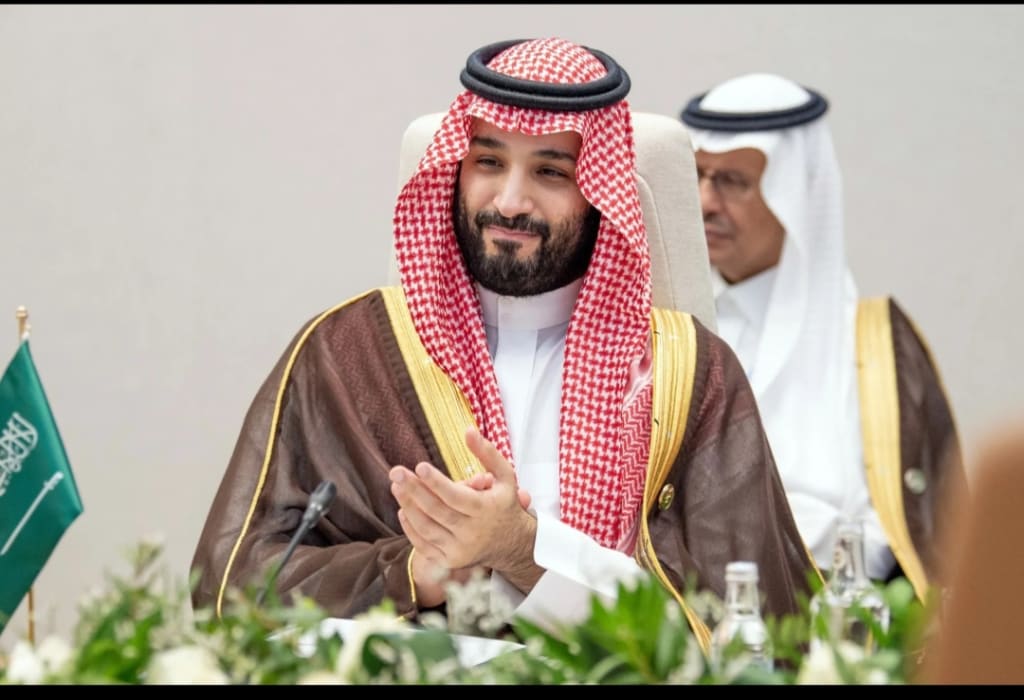
In a significant shift in strategy, Saudi Arabia is expanding its search for capital by courting the kingdom’s richest families, signaling a new stage in economic policy driven by evolving fiscal realities and the long-term objectives of Vision 2030. This move highlights widening partnerships between public institutions and private wealth as Riyadh attempts to finance ambitious development goals while easing pressure on its public finances.
Why Saudi Arabia Is Looking Beyond Oil Revenues
For decades, Saudi Arabia’s economy has been heavily dependent on oil. However, sustained efforts to diversify have pushed the government to explore alternative sources of funding — especially as lower oil prices and heavy spending on megaprojects have strained the public purse. The kingdom’s leadership now sees the wealthy elite not only as investors but as strategic partners who can help catalyze growth in key sectors.
This effort dovetails with broader reforms under Vision 2030, the sweeping blueprint championed by Crown Prince Mohammed bin Salman to transform Saudi Arabia into a diversified and future‑ready economy. From developing giga‑projects like Neom to nurturing tourism, technology, and entertainment sectors, Vision 2030 relies on huge investments — both domestic and foreign.
Engaging Wealthy Saudi Families: The Strategy
At the heart of this new push is an outreach by the Public Investment Fund (PIF) — Saudi Arabia’s sovereign wealth fund — to the country’s most affluent families. Earlier meetings between PIF officials and representatives from prominent Saudi business dynasties were aimed at gauging their willingness to invest more in domestic projects and collaborate with foreign capital.
The focus is on building co‑investment frameworks that align private capital with national priorities. This means encouraging family offices, private businesses, and high‑net‑worth individuals to channel funds into ventures such as smart cities, renewable energy, entertainment zones, and high‑tech manufacturing hubs. By doing so, Riyadh hopes to unlock significant pools of capital that have long been concentrated in passive holdings or overseas investments.
Challenges Facing the Kingdom’s Finances
While the Public Investment Fund is one of the largest sovereign wealth funds globally — with assets estimated near the trillion‑dollar mark — some analysts note that not all of this wealth is readily deployable. Large portions are tied up in long‑term holdings or illiquid assets, and global economic volatility has made the deployment of capital more complex. This has pressured Riyadh to seek new avenues for financing growth.
Additionally, with the cost of major development schemes rising, the government sees direct engagement with wealthy families as a way to share risk and accelerate project funding without overburdening the state budget. This reflects a broader trend of shifting some of the financing burden onto private actors while retaining strategic oversight.
Economic and Social Implications for Saudi Arabia
This capital‑mobilization strategy is likely to have wide‑ranging effects on Saudi society and its economic landscape:
Boost in domestic investment: Greater participation by local wealthy families can stimulate private sector growth, creating jobs and enhancing the kingdom’s entrepreneurial ecosystem.
Strengthening private markets: Increased capital inflows could deepen Saudi Arabia’s domestic capital markets, which have traditionally lagged behind global counterparts in sophistication and liquidity.
Enhanced international partnerships: By encouraging families to co‑invest with global firms, the kingdom could attract more foreign expertise and technology, integrating Saudi markets more fully into the global economy.
At the same time, the plan reflects a growing recognition that tourism, real estate, and high‑value services — sectors with strong investment potential — can no longer be financed purely by state coffers. They need diverse sources of private capital to thrive.
Premium Residency and Capital Attraction
Another area where Saudi Arabia is trying to attract wealth is through its premium residency program. Officials are considering expanding this program to include ultra‑wealthy individuals such as superyacht owners and high‑net‑worth foreigners who invest in major developments. Such a move would make Saudi Arabia a more attractive destination for global capital and talent.
By offering residency benefits tied to investment thresholds, Riyadh is adding another tool to its capital‑attraction toolkit — one that complements direct investment outreach to domestic wealth holders.
The Role of Wealthy Families in the Kingdom
Saudi Arabia’s wealthy families come from a mix of sovereign, commercial, and entrepreneurial backgrounds. Some, like the business dynasties behind major banking and industrial groups, have deep roots in the kingdom’s economic history. Their participation in major projects could signal broader confidence in local markets and inspire similar moves from regional investors.
Historically, Saudi elites have played influential roles in domestic growth — from banking to real estate to manufacturing. Tapping this existing capital base could help accelerate diversification and create a more balanced economy less dependent on oil revenue.
What This Means for the Future
Saudi Arabia’s latest attempt to tap wealthy families for additional capital is more than a fiscal maneuver — it’s part of a strategic recalibration of how the kingdom funds its growth. By aligning national development goals with private wealth aspirations, Riyadh is setting the stage for a new era of public‑private collaboration.
However, success hinges on whether these wealthy families see compelling investment opportunities that offer both financial returns and strategic value. If they do, Saudi Arabia could unlock a significant source of long‑term funding that powers the next chapter of its economic transformation.
About the Creator
Keep reading
More stories from Salaar Jamali and writers in The Swamp and other communities.
The Path to Salvation
The late autumn evening air filled the monk's lungs, but it wasn't the season that chilled his bones. The heavy-handed presence of evil he had sensed upon entering the woods surrounding this mountain village had not bothered to conceal itself from him.
By Made in DNA7 days ago in Fiction




Comments
There are no comments for this story
Be the first to respond and start the conversation.