
Saudi Arabia and Yemen: A Conflict That Reshaped a Region
Understanding the roots, consequences, and future prospects of one of the Middle East’s most complex wars
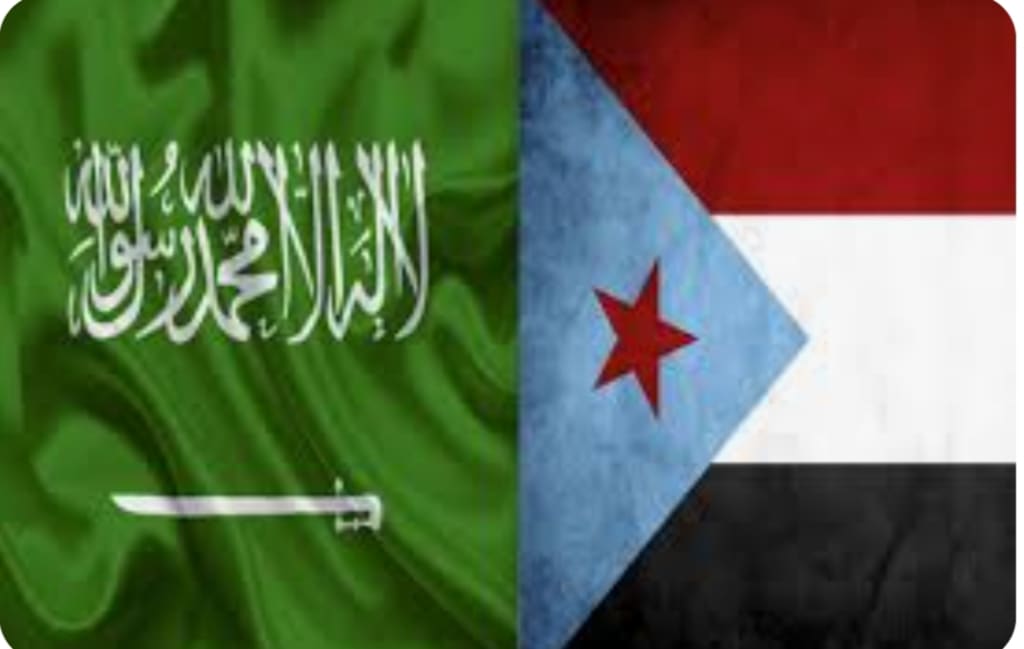
The relationship between Saudi Arabia and Yemen has long been shaped by geography, politics, and history. Sharing a porous border and deep cultural ties, the two countries have also been drawn into one of the most devastating conflicts of the modern Middle East. What began as a domestic Yemeni power struggle evolved into a regional confrontation with far-reaching humanitarian, political, and security consequences.
Historical Context of the Saudi–Yemeni Relationship
Saudi Arabia and Yemen have interacted for decades through trade, migration, and diplomacy. Yemen’s political instability has often concerned Saudi leaders, who view stability along their southern border as essential to national security. Historically, Saudi Arabia has played a role in Yemeni politics, offering financial support to friendly factions while attempting to limit external influence in the country.
These dynamics set the stage for deeper involvement when Yemen entered a new phase of instability in the early 2010s.
The Rise of the Conflict
The current conflict escalated in 2014, when the Houthi movement, a political and armed group from northern Yemen, took control of the capital, Sanaa. The Houthis opposed the internationally recognized Yemeni government, accusing it of corruption and mismanagement. As the government weakened, Saudi Arabia viewed the Houthi advance as a serious threat to regional balance.
In 2015, Saudi Arabia led a military coalition aimed at restoring the Yemeni government. The intervention marked a turning point, transforming Yemen’s internal struggle into a regional war involving multiple actors.
Saudi Arabia’s Strategic Objectives
Saudi Arabia’s involvement in Yemen has been driven by several strategic concerns. Chief among them is border security. Missile and drone attacks launched from Yemeni territory have targeted Saudi cities and infrastructure, heightening fears of prolonged instability.
Additionally, Saudi leaders have expressed concern over the expansion of rival regional influence in Yemen. Maintaining a friendly or neutral government in Sanaa has been viewed as essential to preserving Saudi Arabia’s strategic depth and regional leadership.
Yemen’s Humanitarian Crisis
Perhaps the most tragic aspect of the Saudi–Yemen conflict is its humanitarian impact. Yemen has faced widespread food insecurity, limited access to healthcare, and the collapse of essential services. Millions of civilians have been displaced, and vulnerable populations, including children, have borne the heaviest burden.
Airstrikes, blockades, and ongoing fighting have severely damaged infrastructure, complicating efforts to deliver aid. International organizations have repeatedly warned that Yemen represents one of the world’s worst humanitarian crises, underscoring the urgent need for lasting peace.
International Involvement and Global Attention
The conflict has drawn significant international attention. Western nations have supported Saudi Arabia through arms sales and intelligence cooperation, while also facing criticism over civilian casualties. At the same time, diplomatic efforts led by the United Nations have sought to broker ceasefires and political dialogue.
Global reactions reflect a tension between strategic alliances and humanitarian concerns. Calls for accountability, arms restrictions, and increased humanitarian funding have become central to international discussions surrounding the war.
Ceasefires and Shifting Dynamics
In recent years, the conflict has entered a more fluid phase. Temporary ceasefires have reduced violence in some areas, offering hope to war-weary civilians. Saudi Arabia has also signaled interest in de-escalation, focusing on border security and long-term regional stability rather than prolonged military engagement.
These developments suggest a recognition that a purely military solution is unlikely. Negotiations, confidence-building measures, and political compromise appear increasingly necessary to end the conflict.
The Regional Implications
The Saudi–Yemen conflict has reshaped regional politics. It has highlighted the risks of proxy warfare and the limitations of military intervention. The war has also influenced Saudi Arabia’s broader foreign policy, encouraging a shift toward diplomacy and economic transformation under long-term national development plans.
For Yemen, the challenge extends beyond ending hostilities. Rebuilding institutions, restoring trust among factions, and addressing deep-rooted grievances will take years, if not decades.
The Human Cost and the Path Forward
At its core, the conflict between Saudi Arabia and Yemen is a human tragedy. While political and strategic calculations dominate headlines, ordinary Yemenis continue to struggle for survival. Any sustainable peace must prioritize humanitarian relief, economic recovery, and inclusive governance.
Saudi Arabia’s role in future negotiations will be critical. As a powerful regional actor, it has the ability to support reconstruction efforts and contribute to long-term stability, provided that political solutions replace military confrontation.
Conclusion
The Saudi Arabia–Yemen conflict stands as a stark reminder of how quickly regional tensions can escalate into prolonged humanitarian disasters. While recent diplomatic efforts offer cautious optimism, the road to peace remains fragile.
Ending the conflict will require sustained international engagement, compromise among Yemeni factions, and a commitment to rebuilding a country devastated by years of war. Only through dialogue and cooperation can Saudi Arabia and Yemen move toward a future defined not by conflict, but by stability and hope. 🌍🕊️
About the Creator
Keep reading
More stories from Ayesha Lashari and writers in The Swamp and other communities.
Samsung: How a Global Tech Giant Continues to Shape the Future
Samsung is more than just a technology company. It is a global powerhouse whose products influence how billions of people communicate, work, and live every day. From smartphones and televisions to semiconductors and smart home solutions, Samsung has built a reputation for innovation, scale, and resilience. Its journey from a small trading company to one of the world’s most valuable brands reflects both strategic vision and an ability to adapt to rapid technological change.
By Ayesha Lashari13 days ago in The Swamp
Trump Is Briefed on Options for Striking Iran as Protests Continue
As anti-government protests erupt across Iran and tensions escalate between Tehran and Washington, U.S. President Donald Trump has been officially briefed on a range of potential military options, including the possibility of striking Iranian targets if the situation worsens. The discussions reflect a dramatic moment in international relations, as unrest in Iran merges with long-standing disputes over its political system, nuclear ambitions and regional influence. �
By Fiazahmedbrohi about 21 hours ago in The Swamp
Let's Don't Do This
"I just can't do this anymore..." "Do what?" What can't you do? Put gas in your own car? I swear to God you make me take care of everything, don't you? You know I'm on my way to work right now but that never stops you from bothering me, does it?"
By Shirley Belk6 days ago in Fiction


Comments
There are no comments for this story
Be the first to respond and start the conversation.