
Russian Airstrikes Pound Ukraine Amid US-Brokered Peace Talks in Abu Dhabi
Civilians at risk as violence continues despite diplomatic efforts in Abu Dhabi

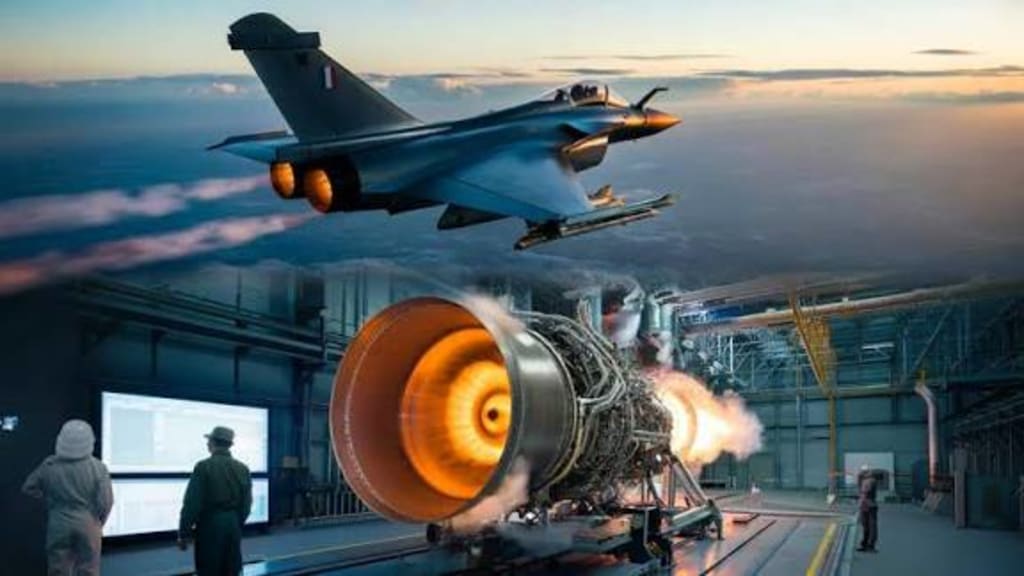
Tensions rise as diplomatic efforts continue
Ukraine is facing renewed military pressure as Russian airstrikes target key cities and infrastructure, coinciding with ongoing US-brokered peace talks in Abu Dhabi. Despite diplomatic efforts to reduce hostilities, the violence on the ground highlights the challenges of negotiating an end to the conflict.
The strikes have caused significant damage to residential areas, transportation networks, and industrial facilities, putting civilians at risk and disrupting daily life across affected regions.
The Context of the Airstrikes
Russian forces have intensified their aerial operations in recent weeks, targeting areas with strategic and economic significance. Analysts suggest the timing of the attacks may be intended to pressure Ukrainian negotiators during the peace talks.
While diplomats gather in Abu Dhabi to discuss potential ceasefires and humanitarian corridors, the violence in Ukraine continues unabated, emphasizing the complexity of achieving a resolution.
Impact on Civilians and Infrastructure
The airstrikes have had devastating effects on the population:
Loss of Life and Injuries – Reports indicate that civilians have been killed or injured, prompting urgent calls for international humanitarian support.
Displacement – Thousands of residents are fleeing affected cities, seeking shelter in safer areas, including temporary accommodations in neighboring regions.
Damage to Infrastructure – Power plants, water supplies, and hospitals have been affected, creating long-term challenges for essential services.
Psychological Toll – The constant threat of airstrikes adds stress and fear, particularly among children and the elderly.
Humanitarian organizations are coordinating relief efforts, but access to conflict zones remains extremely challenging due to ongoing military activity.
The US-Brokered Peace Talks
In Abu Dhabi, diplomats from Ukraine, Russia, and the United States are engaged in discussions aimed at reducing hostilities and opening channels for negotiations. Key topics include:
Ceasefire agreements in specific regions
Humanitarian corridors for civilians and aid delivery
Steps toward broader diplomatic solutions to end the conflict
Despite these efforts, analysts caution that progress is likely to be slow, as military actions on the ground continue to complicate trust and negotiation.
Why Attacks Continue During Talks
Several reasons explain why airstrikes persist even while diplomatic negotiations are underway:
Leverage in Negotiations – Military pressure can be used as a bargaining tool to influence concessions.
Ongoing Strategic Objectives – Both sides continue operations to secure key territory and resources, regardless of diplomacy.
Limited Enforcement of Agreements – Without a binding ceasefire in place, airstrikes and other military actions can continue.
Experts warn that violence during negotiations is not unusual, but it underscores the urgent need for international monitoring and protection of civilians.
Global Reactions and Concerns
The international community has expressed deep concern about the ongoing attacks:
United Nations – Urging immediate protection of civilians and access for humanitarian aid.
European Union – Condemning the violence and calling for uninterrupted diplomatic engagement.
United States – Coordinating the peace talks while continuing support for Ukraine’s defense and humanitarian needs.
The continuation of airstrikes during negotiations has also sparked debates over accountability, the enforcement of international law, and the effectiveness of diplomacy under active conflict conditions.
Humanitarian Challenges
Aid organizations are facing significant obstacles:
Blocked or damaged supply routes hinder the delivery of food, medicine, and emergency equipment.
Displacement of civilians creates a need for shelters, medical care, and social support.
Psychological support is critical for individuals traumatized by repeated attacks.
International cooperation is crucial to ensure that relief reaches those most in need, even as the security situation remains unstable.
Looking Ahead
The situation in Ukraine remains fluid and unpredictable. While peace talks provide hope for a reduction in hostilities, the reality on the ground suggests that negotiations will be complicated and protracted.
Experts suggest several possible scenarios:
Temporary Ceasefire – Short-term agreements may allow aid delivery and reduce civilian casualties.
Escalation – Continued airstrikes could prolong conflict and deepen humanitarian crises.
Diplomatic Breakthrough – Rare but possible, resulting in lasting agreements that pave the way for peace.
Regardless of the outcome, coordination between international actors, continued diplomatic pressure, and humanitarian support remain essential.
Conclusion
The airstrikes in Ukraine amid US-brokered peace talks in Abu Dhabi illustrate the complex interplay between military action and diplomacy. Civilians continue to bear the brunt of violence, highlighting the urgent need for protective measures, humanitarian aid, and international engagement.
While hope exists that diplomacy can eventually reduce hostilities, the conflict serves as a stark reminder of how negotiation and warfare can coexist, making the path to peace both delicate and challenging.
About the Creator
Fiaz Ahmed
I am Fiaz Ahmed. I am a passionate writer. I love covering trending topics and breaking news. With a sharp eye for what’s happening around the world, and crafts timely and engaging stories that keep readers informed and updated.
Keep reading
More stories from Fiaz Ahmed and writers in The Swamp and other communities.
Joint Chiefs Chairman Issues Rare Invitation to Foreign Military Heads
A historic move aimed at strengthening international military cooperation In an unusual and significant development, the Chairman of the Joint Chiefs of Staff has extended a rare invitation to foreign military leaders. This move signals a renewed focus on international cooperation, strategic dialogue, and coordinated defense planning at a time of growing global security challenges.
By Fiaz Ahmed 5 days ago in The Swamp
Access Denied: Why Muslims Worldwide Are Being ‘Debanked’
For millions of Muslims around the world, access to traditional banking services has become increasingly complicated. Reports indicate a growing phenomenon known as “debanking”, where individuals and businesses are denied access to bank accounts, loans, and other financial services, often without clear explanations.
By Aarif Lashariabout 17 hours ago in The Swamp
UAE‑Based Company Signs Dh1 Billion Lithium Deal with Mercedes‑Benz
In a strategic leap for the United Arab Emirates’ industrial and clean energy ambitions, a **UAE‑based firm has signed a milestone 1 billion dirham (around $300 million) lithium supply deal with German automaker Mercedes‑Benz. The long‑term agreement will see Titan Lithium Industries become a critical supplier of battery‑grade lithium — a vital raw material in electric vehicle (EV) batteries — supporting Mercedes‑Benz’s global electrification strategy.
By Salaar Jamali2 days ago in The Swamp



Comments
There are no comments for this story
Be the first to respond and start the conversation.