
Gold & Silver Price Forecast: Will Gains Continue?
Tracking the Forces Behind Precious Metals as Investors Weigh Momentum, Risks, and the Road Ahead
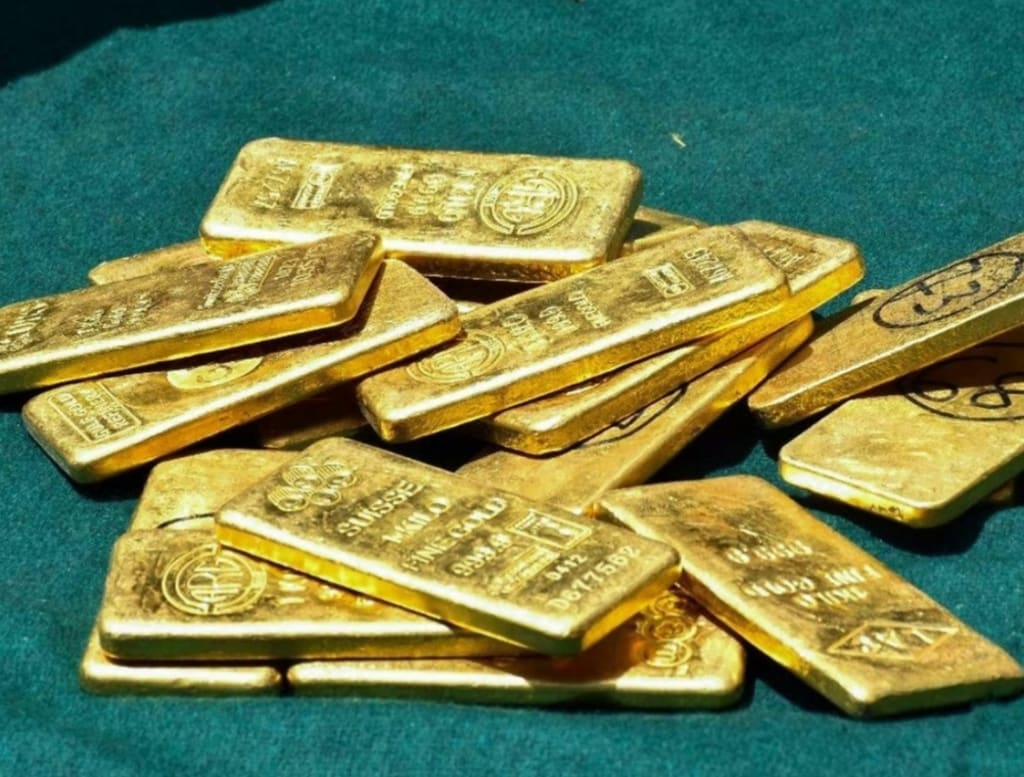
An in-depth look at the forces shaping precious metal prices and what investors should watch next.
Gold and silver have once again captured the spotlight in global financial markets. After a period of strong gains punctuated by sharp pullbacks, investors are asking a familiar but pressing question: will the rally in gold and silver prices continue, or are the markets approaching another turning point? Understanding the outlook for these precious metals requires a close look at macroeconomic trends, monetary policy, geopolitical risks, and shifting investor behavior.
A Strong Start, But With Volatility
Over the past year, both gold and silver have benefited from a combination of economic uncertainty and renewed interest in hard assets. Gold, traditionally seen as a safe-haven investment, has found support amid persistent inflation concerns, slowing global growth, and heightened geopolitical tensions. Silver, often described as gold’s more volatile cousin, has followed a similar upward path but with sharper swings, reflecting its dual role as both a precious and industrial metal.
While prices have climbed, the journey has not been smooth. Periodic sell-offs have occurred whenever the U.S. dollar strengthened or bond yields rose. These corrections, however, have so far been viewed by many investors as healthy pauses rather than the end of the broader uptrend.
The Role of Interest Rates and Central Banks
One of the most important drivers for gold and silver prices remains monetary policy. Precious metals tend to perform well when interest rates are low or expected to fall, as they do not yield interest and therefore compete more effectively with bonds in such environments.
Markets are closely watching signals from major central banks, particularly the U.S. Federal Reserve. If policymakers pivot toward rate cuts to support slowing economic growth, gold and silver could see renewed momentum. Conversely, if inflation proves stubborn and forces central banks to keep rates higher for longer, upward pressure on yields could limit further gains in the near term.
That said, central bank demand for gold has become a powerful structural factor. Many countries have been increasing their gold reserves as a way to diversify away from traditional reserve currencies. This steady, price-insensitive demand provides a long-term tailwind for gold and, indirectly, supports broader interest in precious metals.
Inflation, Currency Trends, and the Dollar Factor
Inflation expectations continue to play a key role in shaping price forecasts. Gold is widely regarded as a hedge against inflation and currency debasement. Even when headline inflation moderates, concerns about long-term purchasing power can keep investors allocated to gold.
The strength of the U.S. dollar is another critical variable. A stronger dollar typically weighs on gold and silver prices, making them more expensive for buyers using other currencies. However, any signs of dollar weakness, whether due to fiscal concerns, trade imbalances, or shifts in global capital flows, could act as a catalyst for higher precious metal prices.
Silver, while influenced by the same currency dynamics, also reacts strongly to changes in industrial demand. This makes its price outlook more complex but also potentially more rewarding during periods of economic recovery.
Industrial Demand and the Silver Outlook
Silver’s unique position as both an investment asset and an industrial metal sets it apart from gold. Demand from sectors such as electronics, solar energy, electric vehicles, and medical technology has been growing steadily. The global push toward renewable energy and electrification has significantly increased silver’s importance in manufacturing.
If global economic activity stabilizes or accelerates, industrial demand could provide a strong boost to silver prices. However, this also means silver is more vulnerable during economic slowdowns, when industrial consumption may weaken. As a result, silver often experiences larger price swings than gold, offering higher potential rewards but also higher risk.
Investor Sentiment and Market Positioning
Investor sentiment remains a decisive factor in determining whether gains will continue. Exchange-traded funds backed by gold and silver have seen fluctuating inflows, reflecting shifting confidence among retail and institutional investors. When risk appetite declines in equity or cryptocurrency markets, capital often flows back into precious metals.
Another metric closely watched by analysts is the gold-to-silver ratio. Historically, extreme levels in this ratio have signaled potential turning points. A narrowing ratio may indicate silver outperforming gold, often during stronger economic phases, while a widening ratio tends to favor gold during periods of uncertainty.
Risks to the Bullish Forecast
Despite the supportive long-term outlook, risks remain. A stronger-than-expected global economic recovery could reduce demand for safe-haven assets like gold. Similarly, aggressive tightening by central banks or a sustained rally in the U.S. dollar could cap price gains.
Profit-taking is another natural risk after extended rallies. When prices reach psychologically significant levels, short-term traders may lock in gains, leading to temporary pullbacks. These corrections do not necessarily signal a trend reversal but can test investor patience.
So, Will Gains Continue?
The outlook for gold and silver remains cautiously optimistic. Structural factors such as central bank buying, geopolitical uncertainty, and long-term inflation concerns continue to support higher prices. Silver’s additional exposure to industrial growth provides an extra layer of opportunity, albeit with greater volatility.
In the near term, prices are likely to remain sensitive to economic data and central bank messaging. Short-term fluctuations should be expected. Over the longer horizon, however, gold and silver still appear well-positioned as portfolio diversifiers and hedges against uncertainty.
For investors, the key may not be timing every market move, but understanding the fundamental forces at play. As history has shown, precious metals tend to reward patience, especially during times when confidence in traditional financial systems is being tested.
About the Creator
Keep reading
More stories from Salaar Jamali and writers in The Swamp and other communities.
Wild Mustard (Charlock): The Resilient Weed With a Surprising Legacy
Subtitle tureironmencultur Wild mustard, commonly known as charlock (Sinapis arvensis), is one of those plants that divides opinion. To farmers, it is often seen as a stubborn weed that invades crops and competes for nutrients. To botanists, foragers, and historians, it is a fascinating species with deep agricultural roots, ecological importance, and even culinary potential. Found across Europe, Asia, North Africa, and now widely naturalized in North America and other regions, wild mustard has quietly shaped landscapes and livelihoods for centuries.
By Salaar Jamaliabout 11 hours ago in The Swamp
Germany’s Nationalist AfD Party Hopes to Take Power in 2026
Germany’s political landscape is facing a potential shift as the nationalist Alternative für Deutschland (AfD) party sets its sights on the 2026 elections. Known for its right-wing populist agenda, anti-immigration rhetoric, and Euroscepticism, the AfD has steadily gained traction over the past decade. While mainstream parties continue to dominate national politics, analysts warn that the AfD’s growing influence could reshape Germany’s policy direction and challenge the country’s longstanding commitment to liberal democracy. The Origins of the AfD Founded in 2013, the AfD initially positioned itself as a Eurosceptic party, opposing the European Union’s handling of the eurozone crisis. Over time, the party shifted its focus toward nationalist and anti-immigration policies, tapping into public frustration over migration, globalization, and perceived threats to German cultural identity. The party has also adopted a strong stance against climate regulations and progressive social policies, appealing to conservative voters who feel alienated by Germany’s traditional political parties. These positions have allowed the AfD to carve out a niche in Germany’s fragmented political landscape. Recent Electoral Gains The AfD has seen steady growth in regional and national elections. In the 2021 federal elections, the party captured around 10% of the vote, becoming the third-largest party in the Bundestag. Its support is particularly strong in eastern Germany, where economic disparities, historical resentment, and dissatisfaction with mainstream politics have contributed to its rise. Political analysts note that the AfD’s success is not only electoral but also cultural. By dominating media narratives on immigration and national identity, the party has shifted public debate and forced mainstream parties to respond to issues they might otherwise have avoided. The 2026 Ambitions Looking ahead to the 2026 elections, the AfD aims to increase its share of seats and, potentially, enter government coalitions at both state and federal levels. Party leaders have emphasized a platform focused on reducing immigration, reforming the European Union, and rolling back environmental regulations. Some strategists within the party believe that growing concerns over energy costs, economic inequality, and social change could bolster voter support. By framing itself as a defender of “traditional German values,” the AfD hopes to attract both its core base and disillusioned voters from the center-right spectrum. Controversies and Criticism The AfD’s rise has not been without controversy. Critics accuse the party of promoting xenophobia, undermining democratic norms, and fostering extremist tendencies. Multiple AfD members have faced scrutiny for inflammatory remarks, associations with far-right groups, and attempts to normalize nationalist rhetoric. Germany’s domestic intelligence agency has labeled parts of the AfD as “suspected extremist,” monitoring its activities closely. Opposition parties argue that allowing the AfD into power could threaten Germany’s democratic institutions and international reputation. Public Perception and Support Despite criticism, the AfD retains a loyal voter base. Many supporters argue that the party addresses real concerns about immigration, economic stagnation, and EU bureaucracy that they feel are ignored by mainstream parties. Polls suggest that younger voters and urban populations are less supportive of the AfD, while older, rural, and economically disadvantaged communities continue to provide the party with significant backing. Analysts believe that the 2026 elections could hinge on turnout in these demographic groups. Implications for Germany and Europe The AfD’s potential rise has implications beyond Germany’s borders. As Europe faces migration pressures, energy crises, and political polarization, the success of a nationalist party in one of the continent’s largest economies could inspire similar movements in other countries. European Union leaders have expressed concern that an AfD-led government might adopt policies that clash with EU regulations, potentially straining relations with neighboring countries and weakening cohesion in European decision-making. Challenges Ahead While the AfD hopes to gain power, it faces significant obstacles. Mainstream parties, including the Christian Democrats (CDU) and Social Democrats (SPD), are actively campaigning to prevent the AfD from entering government. Additionally, voter concerns about extremism, international relations, and social stability may limit the party’s growth. Coalition-building will also be a challenge. Many parties have ruled out working with the AfD, meaning that even a strong electoral showing may not translate into executive power. Analysts predict that the AfD’s influence may grow through parliamentary presence rather than direct governance. The Role of Media and Messaging The AfD has been adept at using social media and alternative media platforms to bypass traditional journalistic filters. By framing itself as a voice for the “ignored majority,” the party appeals to voters who distrust mainstream institutions. At the same time, investigative journalism and public awareness campaigns have sought to highlight the party’s extremist tendencies and controversial rhetoric. This ongoing battle over narrative and perception will be crucial in shaping the 2026 elections. Conclusion: A Defining Moment for Germany As Germany approaches 2026, the rise of the AfD represents both an opportunity and a challenge for the nation. For supporters, the party embodies a chance to restore national pride and prioritize domestic concerns. For critics, it threatens to destabilize democratic norms and exacerbate social divisions. The upcoming elections will test Germany’s resilience, political maturity, and commitment to pluralism. Whether the AfD succeeds in taking power or remains a powerful opposition force, its impact on Germany’s political discourse—and the broader European context—will be felt for years to come.
By Aarif Lashari6 days ago in The Swamp




Comments
There are no comments for this story
Be the first to respond and start the conversation.