
Russia Shrugs Off Trump’s Tariff Threats on Those Supplying Oil to Cuba
Moscow signals confidence as tensions rise over energy trade, sanctions policy, and U.S.–Cuba relations

Introduction
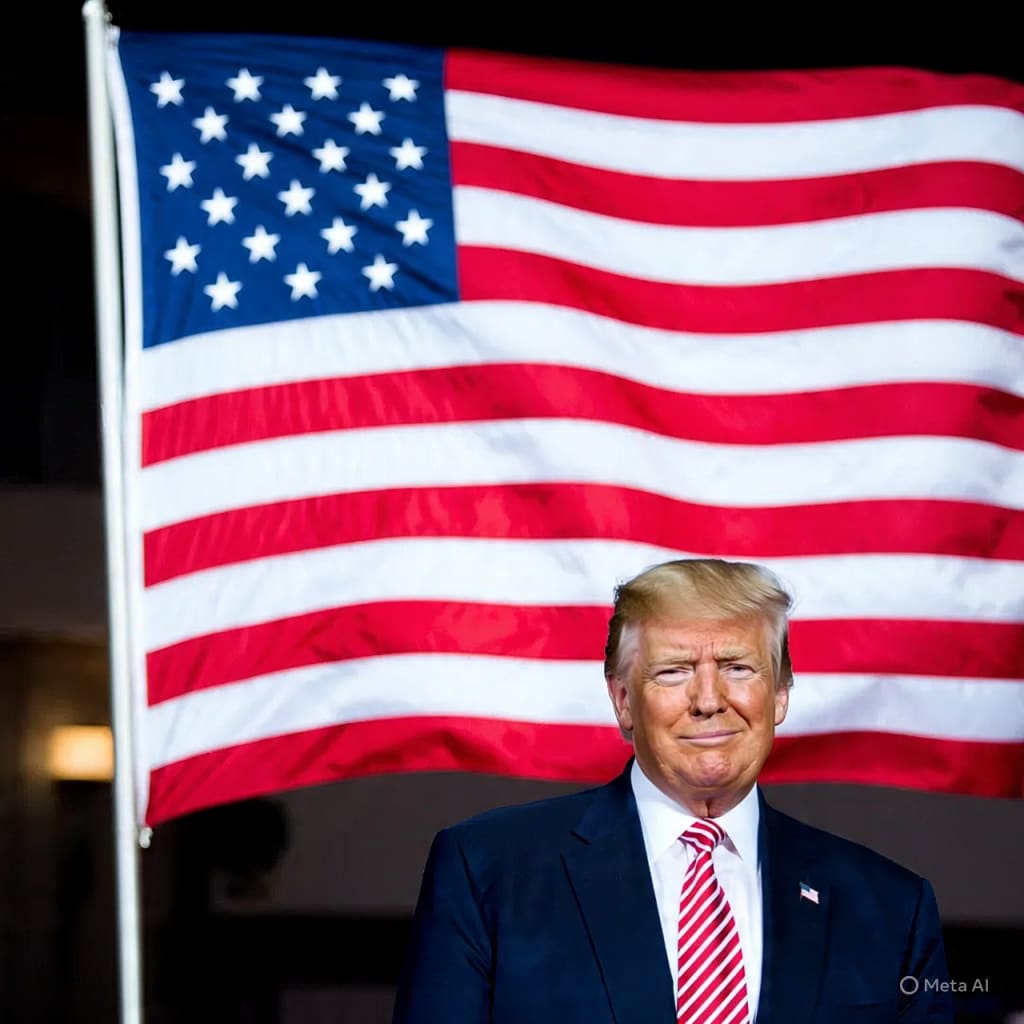
Russia has dismissed threats of new tariffs proposed by former President Donald Trump targeting countries and companies that provide oil to Cuba. The exchange highlights ongoing tensions around energy trade, sanctions policy, and geopolitical influence in the Western Hemisphere.
Trump’s remarks suggested that additional economic measures could be used to pressure Cuba and limit foreign energy support to the island. Russian officials responded by signaling that such warnings would not alter their policies or trade decisions.
The situation reflects broader shifts in global energy markets and long-standing political disagreements between Washington, Havana, and Moscow.
Background on U.S.–Cuba Relations
The United States has maintained various levels of sanctions against Cuba for decades. These measures restrict trade, financial transactions, and certain forms of cooperation. While there have been periods of easing, restrictions remain in place.
Energy access has been a persistent challenge for Cuba. The island relies heavily on imported fuel to support electricity generation and transportation. Disruptions in oil supply can lead to blackouts and economic strain.
Countries that provide oil to Cuba, including Venezuela and Russia, have faced scrutiny from U.S. policymakers in the past.
Trump’s Tariff Warning
In recent comments reported by financial and political outlets, Trump indicated that tariffs could be imposed on entities that supply oil to Cuba. The proposal appears to be part of a broader strategy aimed at increasing economic pressure on the Cuban government.
Tariffs are typically used as trade tools to influence economic behavior. In this case, the suggestion was framed as a way to discourage energy shipments that help sustain Cuba’s infrastructure.
While Trump is not currently in office, his statements carry weight within policy discussions, especially as the United States approaches another election cycle.
Russia’s Response
Russian officials responded by downplaying the impact of potential U.S. tariff measures. Public statements suggested that Moscow does not intend to adjust its trade activities based on external pressure.
Russia has expanded its global energy partnerships in recent years, especially following Western sanctions tied to the conflict in Ukraine. Diversifying trade relationships has been central to its strategy.
By dismissing the tariff threats, Russian officials appear to signal that their cooperation with Cuba remains consistent with broader foreign policy objectives.
Energy as a Political Tool
Energy trade has long been intertwined with politics. Oil shipments are not only commercial transactions but also instruments of diplomatic influence.
For Cuba, securing steady fuel supplies is essential for economic stability. For Russia, maintaining energy ties with countries in Latin America extends its global reach.
The United States, meanwhile, has historically sought to limit external support to governments it views as adversarial.
This triangular dynamic adds complexity to the issue.
How Tariffs Would Work
If implemented, tariffs targeting oil suppliers to Cuba would likely involve additional duties on goods entering the United States from those suppliers. The effectiveness of such a measure would depend on trade volume and economic interdependence.
For example, if a country supplying oil to Cuba conducts limited trade with the United States, tariffs may have minimal impact. Conversely, if trade ties are significant, economic pressure could be more noticeable.
Any tariff policy would also face legal and diplomatic considerations.
Global Trade Implications
Energy markets are interconnected. Actions taken by one major economy can influence pricing, supply routes, and political relationships.
If the United States were to expand tariffs related to Cuba’s oil supply, it could complicate broader trade negotiations. Other countries might view such measures as extraterritorial pressure.
Global trade institutions generally encourage dispute resolution through established channels rather than unilateral actions.
Russia’s Broader Strategy
Russia has been strengthening economic ties with countries outside Western alliances. This includes energy agreements, infrastructure projects, and financial cooperation.
By continuing oil shipments to Cuba despite external criticism, Russia reinforces its position as a partner willing to operate outside U.S.-led sanctions frameworks.
This approach aligns with Moscow’s efforts to diversify export destinations and reduce reliance on European markets.
Cuba’s Position
Cuba continues to face economic constraints, including limited foreign currency reserves and aging infrastructure. Access to imported fuel is critical for maintaining power generation.
Energy shortages in recent years have led to periodic blackouts, affecting households and businesses. Reliable oil supply is therefore central to domestic stability.
Cuban officials have not issued detailed responses to the latest tariff discussion, but the island’s energy dependence is well documented.
U.S. Domestic Political Context
Energy policy and sanctions are often part of broader campaign narratives in the United States. Statements about tariffs can resonate with voters concerned about national security or foreign policy.
However, implementing new tariff structures requires coordination with Congress, federal agencies, and international trade bodies.
Political messaging does not always translate directly into enacted policy, especially when complex economic systems are involved.
Market Reaction
Financial markets monitor geopolitical developments closely. While rhetoric can cause short-term fluctuations, sustained changes typically require formal policy announcements.
At this stage, analysts note that no new tariffs have been formally introduced. As a result, immediate market impact appears limited.
Investors often distinguish between political statements and implemented measures when assessing risk.
Diplomatic Considerations
Diplomatic relations between the United States and Russia are already strained. Introducing new tariff disputes could add another layer to existing tensions.
At the same time, Cuba remains a symbolic issue in U.S. foreign policy debates. Balancing economic leverage with diplomatic engagement has been a recurring challenge for successive administrations.
Any escalation related to energy trade could influence broader international discussions.
Legal and Policy Challenges
Imposing tariffs based on third-party trade relationships raises legal questions. International trade agreements outline conditions under which tariffs can be applied.
Governments must also consider the potential for retaliatory measures. Trade disputes can escalate quickly if multiple countries impose counter-tariffs.
Legal review and economic assessment would likely precede any formal action.
Energy Security and Regional Stability
Energy stability in the Caribbean region has implications beyond Cuba. Disruptions can influence migration patterns, economic activity, and regional cooperation.
The United States has historically maintained interest in stability across the Western Hemisphere. How energy sanctions fit into that objective is subject to debate.
Russia’s continued involvement adds another geopolitical dimension.
Public and Expert Opinion
Policy experts are divided on the effectiveness of tariffs as a tool for influencing foreign governments. Some argue that economic pressure can lead to negotiation. Others contend that sanctions may entrench existing leadership without achieving policy change.
Public opinion often depends on broader views about foreign policy priorities and economic impact.
Discussions about Cuba frequently intersect with debates about human rights, migration, and regional diplomacy.
What Happens Next
At present, the situation remains in the realm of political statements rather than enacted policy. For tariffs to take effect, formal procedures would need to begin.
Russia’s dismissal suggests that Moscow does not anticipate immediate consequences. Meanwhile, observers are watching for official announcements or legislative proposals.
Energy shipments to Cuba continue under existing arrangements.
Conclusion
Russia’s response to Trump’s tariff threats underscores the complexity of global energy politics. While the former president’s comments highlight ongoing tensions over Cuba policy, no formal measures have yet been implemented.
The issue touches on multiple layers of international relations, including sanctions, trade law, and energy security. For Cuba, reliable oil supply remains essential. For Russia, maintaining overseas partnerships supports broader strategic goals. For the United States, economic tools remain central to foreign policy debates.
About the Creator
Saad
I’m Saad. I’m a passionate writer who loves exploring trending news topics, sharing insights, and keeping readers updated on what’s happening around the world.
The Saddest Thing - The Billionaires Who Rule America Aren't Even Enjoying Themselves
This single post says more about our ruling class than a thousand policy papers. The saddest thing about today's system is that the men robbing the rest of us - sabotaging our economic prospects, our pensions, our access to affordable healthcare - are not even happy.
By Scott Christenson🌴7 days ago in The Swamp
Can the U.S. Help Iran? What Iranians Say — Inside and Outside the Country
As tensions between the United States and Iran remain high in early 2026, a central question looms over both domestic and international discourse: can the U.S. help Iran — and if so, how? Iranians inside the country, protesters demanding change, and members of the diaspora offer a complex mix of hope, skepticism, and caution about Washington’s ability to influence their future. The backdrop to these views includes renewed diplomatic engagement between the U.S. and Iran over nuclear issues, ongoing violent protests within Iran, and repeated statements from U.S. leaders about “help” that have often gone unfulfilled. Recent indirect talks between the U.S. and Iran in Oman were described as a “good start” by Iranian Foreign Minister Abbas Araghchi, but both sides remain far apart on core issues such as Iran’s nuclear program and missile development. theguardian.com Inside Iran: Cautious Hope and Deep Skepticism Inside Iran, attitudes toward potential U.S. influence are mixed and deeply shaped by lived experience. Many Iranians have watched their economy deteriorate under decades of international sanctions — sanctions largely driven by Washington — which have contributed to inflation, shortages, and hardship among ordinary families. This historical context shapes how many Iranians view the idea of “help” from the U.S. even as they endure brutal crackdowns on protests. � nz.news.yahoo.com Some young protesters have expressed hope that international intervention — including from the U.S. — might change the status quo. In rare communications during even limited internet access, a protester in Tehran told foreign media that Iranians were “waiting for America to intervene,” reflecting desperation amid violence and “brutal repression.” abc.net.au However, other voices express profound wariness. Many remember that foreign intervention historically often brought more suffering than relief. Analysts have warned that military action — even if intended to protect civilians — could escalate conflict, leading to regional violence that would worsen life inside Iran rather than alleviate iran International There is also a healthy strain of realism among Iranians who argue that real change must come from within. They believe that internal unity and sustained public mobilisation, not external force, hold the key to democracy and reform. One Iranian living in the U.S. said that regime change should “come from within,” emphasizing that foreign power can’t substitute for indigenous political momentum. nz.news.yahoo.com Diaspora Views: Hope, Frustration, and Debate Iranian expatriates — particularly in Western countries — also express a range of opinions. Some feel abandoned by promises of U.S. assistance, recalling past statements by U.S. leaders encouraging protests without substantive follow-through. This perceived gap has bred frustration, especially among communities whose relatives face danger back home. TIME Others in the diaspora actively call for more robust American support. Some have even publicly spray-painted graffiti in Iranian cities urging President Trump to help overthrow the clerical regime. A woman in central Iran described Washington as “our only hope” to oust the current government. abc.net.au Yet there are also diaspora voices warning against overestimating Washington’s willingness or capacity to intervene. Some point to historical foreign involvement in Iran — such as the CIA-backed overthrow of Prime Minister Mohammad Mossadegh in 1953 — to argue that U.S. interests have not always aligned with Iranian welfare. These critics stress that relying on American intervention could backfire or undermine Iranian sovereignty. Reddit U.S. Policy: Mixed Signals and Strategic Limits From a policy standpoint, U.S. actions toward Iran are often contradictory. On one hand, American officials have reaffirmed support for the Iranian people and included “all options” on the table, including diplomatic and military avenues. On the other, Washington has implemented aggressive sanctions and avoided deep engagement on humanitarian concerns, leaving many Iranians questioning the sincerity and effectiveness of U.S. aid. nypost.com Efforts to resume nuclear talks, while welcomed by some Iranian officials, have so far produced limited results and avoided broader issues such as human rights or missile programs. Tehran’s insistence on sovereign decision-making and refusal to negotiate under threat further complicates matters. theguardian.com Experts suggest that the most viable forms of U.S. help would likely be non-military and human-centred — such as support for independent media, internet freedom, and civil society programs that empower citizens without direct intervention in Iran’s internal politics. Policy proposals from think tanks have emphasized these softer tools as a way to balance pressure on the regime with support for Iranian agency. americafirstpolicy.com The Iranian Perspective: Not One Monolith Ultimately, there is no single Iranian position on whether the U.S. can help. Iranians inside Iran tend to be more cautious, wary of foreign intervention’s costs even as they endure severe repression. Iranians abroad often mix hope with frustration, demanding more action while remembering past geopolitical grievances. Together, these perspectives illustrate a broader truth: help from the U.S. — if possible at all — must be carefully calibrated, respectful of Iranian agency, and grounded in long-term humanitarian and democratic goals rather than short-term strategic gains. Whether American support ultimately empowers Iranian citizens or deepens geopolitical tensions will depend on a delicate balance of diplomatic skill, genuine engagement, and respect for the voices of Iranians themselves.Start writing...
By Fiaz Ahmed 6 days ago in The Swamp


Comments
There are no comments for this story
Be the first to respond and start the conversation.