
Russia Says Cuba Situation Is Escalating After Deadly Incident With U.S.-Tagged Speedboat
Diplomatic tensions rise as Moscow warns of regional instability following a fatal maritime confrontation near Cuban waters
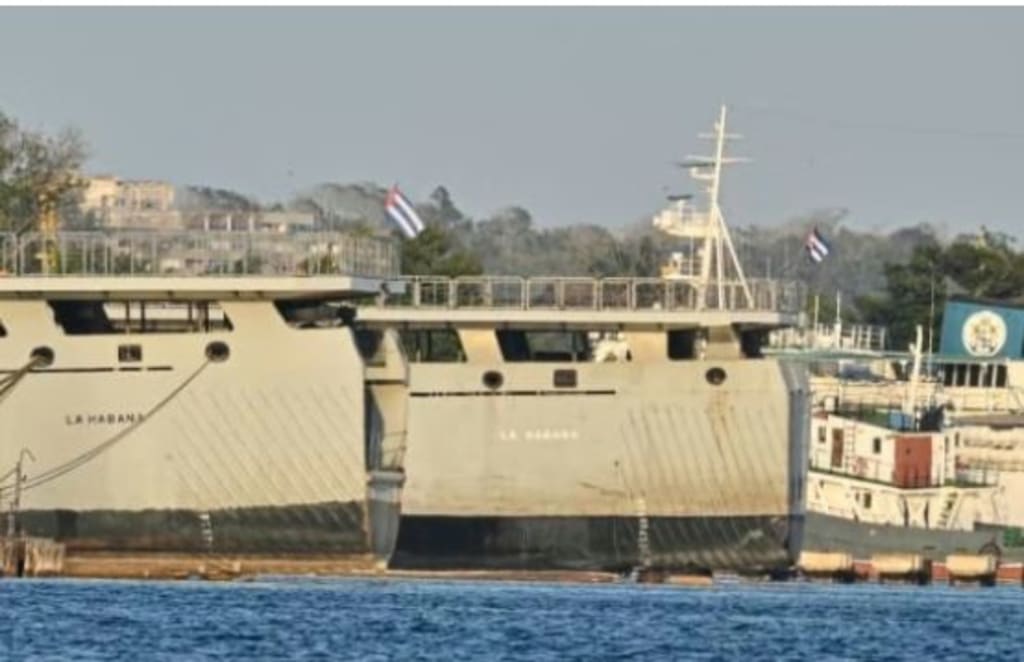
The geopolitical temperature in the Caribbean has climbed sharply after a deadly confrontation involving a U.S.-tagged speedboat near Cuban territory prompted strong reactions from Russia. Officials in Cuba reported that security forces engaged a vessel suspected of illegal entry, resulting in multiple fatalities. In the aftermath, Russia warned that the situation could escalate into a broader diplomatic crisis, underscoring growing tensions involving United States interests in the region.
The incident, which unfolded in waters near the island’s northern coast, has sparked debate about migration, sovereignty, and international maritime security. While Cuban authorities maintain that the operation was a necessary response to a suspected infiltration attempt, critics have called for transparency and restraint.
The Incident at Sea
According to Cuban officials, the speedboat carried a U.S. registration and was intercepted after allegedly ignoring repeated warnings from coastal patrol units. Authorities said the vessel was suspected of participating in unauthorized entry into Cuban territory, a sensitive issue for the island nation, which has long grappled with irregular migration and smuggling networks.
The confrontation escalated quickly. Cuban border agents opened fire after what they described as “dangerous maneuvers” by the boat. Reports indicate that several individuals on board were killed, though details about their identities and intentions remain limited. The government in Havana has pledged to conduct an internal review while defending the actions of its security forces.
Moscow’s Reaction
In a statement issued shortly after the incident, Russia expressed concern over what it described as a “rapidly deteriorating situation” around Cuba. Russian officials warned that events like this could inflame regional tensions, particularly given the historical sensitivities surrounding U.S.–Cuba relations.
Moscow’s response reflects its broader strategy of supporting Havana politically and diplomatically. Over recent years, Russia has deepened cooperation with Cuba in areas ranging from energy to military coordination, often positioning itself as a counterweight to U.S. influence in the Western Hemisphere.
Russian diplomats emphasized the need for dialogue and urged all parties to avoid actions that could lead to further confrontation. At the same time, their remarks suggested that Moscow views the incident as part of a larger pattern of instability affecting countries that challenge U.S. policies.
Washington’s Position
Officials in the United States have not fully confirmed details about the vessel or the individuals on board, but early statements stressed the importance of protecting civilian lives and ensuring a transparent investigation. Washington called on Cuban authorities to share more information about the encounter and to clarify whether standard maritime protocols were followed.
The episode arrives at a time when U.S.–Cuba relations remain strained. Migration pressures, economic sanctions, and political disagreements have created a fragile environment in which even isolated incidents can carry significant diplomatic weight.
Analysts say the involvement of a U.S.-tagged boat — regardless of who was operating it — complicates the narrative and increases the likelihood of political fallout. Questions about whether the vessel was privately owned, part of a smuggling network, or linked to migrants could shape how the situation unfolds.
Migration and Security Pressures
Irregular migration between Cuba and the United States has surged in recent years, driven by economic hardship and political uncertainty on the island. Many migrants attempt dangerous sea crossings using small boats, often relying on informal networks that blur the line between humanitarian movement and organized smuggling.
For Cuban authorities, maritime security operations are framed as a necessity to control borders and prevent illegal activity. Critics, however, argue that heavy-handed enforcement can lead to tragedies, especially when civilians are involved.
The deadly speedboat encounter highlights the risks inherent in these crossings. It also underscores the challenges faced by regional governments trying to balance humanitarian concerns with national security priorities.
Russia’s Strategic Messaging
Russia’s decision to publicly warn about escalation signals more than simple diplomatic concern. Experts suggest Moscow is using the incident to reinforce its narrative that global tensions are spreading beyond traditional flashpoints.
By highlighting instability near Cuba, Russia draws attention to the proximity of geopolitical competition to U.S. territory. The messaging echoes Cold War–era symbolism, even though today’s circumstances differ significantly from the past.
At the same time, Russia’s statements may serve domestic and international audiences, portraying Moscow as a defender of partner nations and a critic of U.S. foreign policy.
Regional Implications
Caribbean governments are watching the situation closely. Maritime incidents involving migration, security forces, and foreign-registered vessels can quickly become regional issues, particularly when major powers become involved.
If investigations reveal that the encounter resulted from miscommunication or excessive force, diplomatic pressure could intensify. Conversely, evidence of smuggling or organized infiltration might shift the conversation toward border security cooperation.
Either outcome has implications for how countries coordinate maritime patrols, share intelligence, and respond to migration flows.
Calls for Transparency
Human rights organizations and international observers have called for an independent review of the incident. Transparency, they argue, is essential to prevent misinformation and reduce the risk of political escalation.
Families of those killed are seeking answers, while advocacy groups emphasize the need for clear protocols when dealing with civilian vessels at sea. These calls reflect a broader demand for accountability in border enforcement operations worldwide.
What Comes Next
The trajectory of the crisis will depend largely on the findings of Cuba’s investigation and the diplomatic responses from both Washington and Moscow. If communication channels remain open, the incident could be contained as a localized tragedy. However, competing narratives and geopolitical rivalry could prolong tensions.
For now, the deadly speedboat encounter serves as a reminder of how quickly maritime security incidents can evolve into international flashpoints. In an era marked by shifting alliances and persistent migration pressures, even a single confrontation can reverberate far beyond the waters where it occurred.
As Russia warns of escalation and the United States seeks clarity, the world will be watching whether this episode becomes a brief diplomatic dispute — or the beginning of a broader geopolitical ripple effect in the Caribbean.
About the Creator
The Saddest Thing - The Billionaires Who Rule America Aren't Even Enjoying Themselves
This single post says more about our ruling class than a thousand policy papers. The saddest thing about today's system is that the men robbing the rest of us - sabotaging our economic prospects, our pensions, our access to affordable healthcare - are not even happy.
By Scott Christenson🌴21 days ago in The Swamp



Comments
There are no comments for this story
Be the first to respond and start the conversation.