
Royal Navy Shadows Russian Submarine Through the English Channel
A tense maritime encounter raises fresh concerns over European security and Russian naval activity.

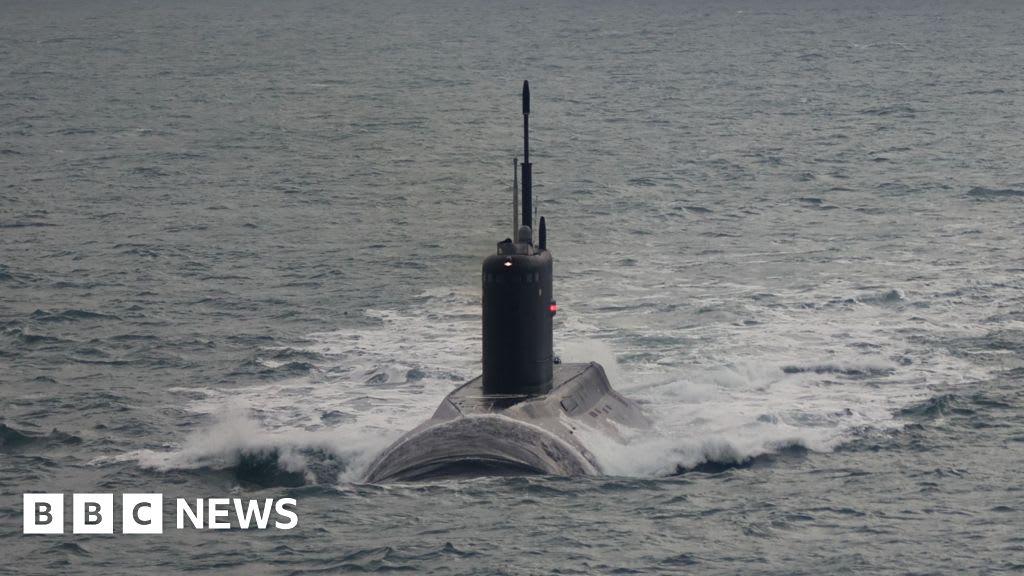
Heightened tensions at sea highlight Europe’s evolving security landscape
The English Channel, one of the busiest maritime routes in the world, is rarely quiet. Cargo ships, fishing vessels, ferries, and naval patrols cross these waters daily. But when a Russian submarine made its way through the Channel this week, the atmosphere shifted. The Royal Navy immediately deployed one of its advanced warships to monitor the vessel, sparking renewed discussions about maritime security and geopolitical tensions in Europe.
The incident, though not unprecedented, has captured public attention because it comes at a time of increased friction between Russia and Western nations. As global navies compete for strategic influence, even routine transits can turn into moments of intense scrutiny.
A Submarine Under Watch
According to defence officials, a Russian Kilo-class submarine was spotted entering the North Sea before moving toward the English Channel. Kilo-class submarines are known for their stealth capabilities, diesel-electric engines, and the ability to conduct intelligence-gathering missions. Although international law allows foreign military vessels to pass through the Channel, the Royal Navy maintains a strict policy of tracking such movements.
HMS Portland, a Type 23 frigate designed for anti-submarine warfare, was dispatched to shadow the submarine throughout its entire passage. Using advanced sonar, radar, and surveillance systems, the crew maintained constant visual and electronic contact. Royal Navy helicopters also assisted, flying above the submarine’s route to collect real-time data.
Officials emphasized that the operation was “routine,” but many security analysts consider such events part of a broader pattern of Russian naval activity near Western waters.
Why the English Channel Matters
The English Channel is not just any waterway—it is a strategic chokepoint. Stretching between southern England and northern France, it serves as a gateway to the North Atlantic and the Baltic Sea. Millions of tonnes of goods pass through each year, making it vital for trade and military operations.
For the United Kingdom, the Channel is also a symbol of national defence. Monitoring foreign warships is standard practice, especially when tensions rise. The presence of a Russian submarine, even during a legal transit, adds an element of caution and reinforces the importance of naval readiness.
Given the current geopolitical climate, naval movements that might once have gone unnoticed now carry far greater significance.
A Broader Pattern of Activity
This is not the first time the Royal Navy has had to track Russian vessels close to British waters. Over the past decade, NATO member states have reported an increase in Russian naval presence in the North Atlantic, the Mediterranean, and the Arctic. Many of these movements are framed as routine training missions, but Western officials remain vigilant.
In recent years, Russian submarines have become more technologically advanced, quieter, and harder to detect. This has raised concerns among defence agencies, particularly about the security of undersea communication cables and energy infrastructure.
By shadowing the submarine, the Royal Navy not only gathered intelligence but also sent a clear message: the United Kingdom is prepared and alert.
A Show of Strength and Stability
Royal Navy officials noted that operations like this demonstrate the service’s commitment to protecting national interests. The ability to detect, track, and monitor foreign submarines reflects the technological investment and training that the British armed forces continue to prioritize.
HMS Portland’s involvement also highlights the Royal Navy’s anti-submarine capabilities—a key area of focus as global naval competition intensifies. The frigate, equipped with state-of-the-art sensors and a Merlin helicopter, is designed precisely for missions like this.
Observers say the Royal Navy’s swift response reassures both the British public and international partners that the UK remains ready to defend its maritime borders.
International Rules, Modern Tensions
Although the submarine’s passage was legal under international maritime law, its presence still carried symbolic weight. Countries regularly track each other’s warships in contested or strategic waters, but the backdrop of strained relations makes these encounters feel more significant.
The Russian submarine did not violate any rules, and both sides maintained professional conduct. Still, moments like this highlight the fragile balance between legality and intent. A routine transit can become a reminder of the complex geopolitical chessboard playing out beneath the surface—literally and figuratively.
Looking Ahead
As long as global tensions remain high, such naval encounters are likely to continue. Submarines, warships, and surveillance aircraft will cross paths in international waters, each side testing readiness and signalling strategic presence.
For now, the Royal Navy’s successful monitoring operation serves as a reminder of the importance of maritime vigilance. The world’s oceans remain a stage for power, diplomacy, and silent confrontation. And in the narrow waters of the English Channel, even a single submarine can reshape the day’s headlines.
About the Creator
Fiaz Ahmed
I am Fiaz Ahmed. I am a passionate writer. I love covering trending topics and breaking news. With a sharp eye for what’s happening around the world, and crafts timely and engaging stories that keep readers informed and updated.
Keep reading
More stories from Fiaz Ahmed and writers in The Swamp and other communities.
Prada’s $930 ‘Made in India’ Kolhapuri Sandals Spark Debate and a Cultural Conversation
Luxury fashion often walks a fine line between appreciation and appropriation. This week, Italian fashion powerhouse Prada learned just how sensitive that line can be. After facing strong backlash online for releasing a pair of Kolhapuri-inspired sandals priced at $930, the brand has announced that the design will now be produced in India—the birthplace of the traditional Kolhapuri chappal.
By Fiaz Ahmed about a month ago in The Swamp


Comments
There are no comments for this story
Be the first to respond and start the conversation.