
Prada’s $930 ‘Made in India’ Kolhapuri Sandals Spark Debate and a Cultural Conversation
How Prada’s $930 Kolhapuri sandals sparked global debate on culture, craftsmanship, and luxury ethics.

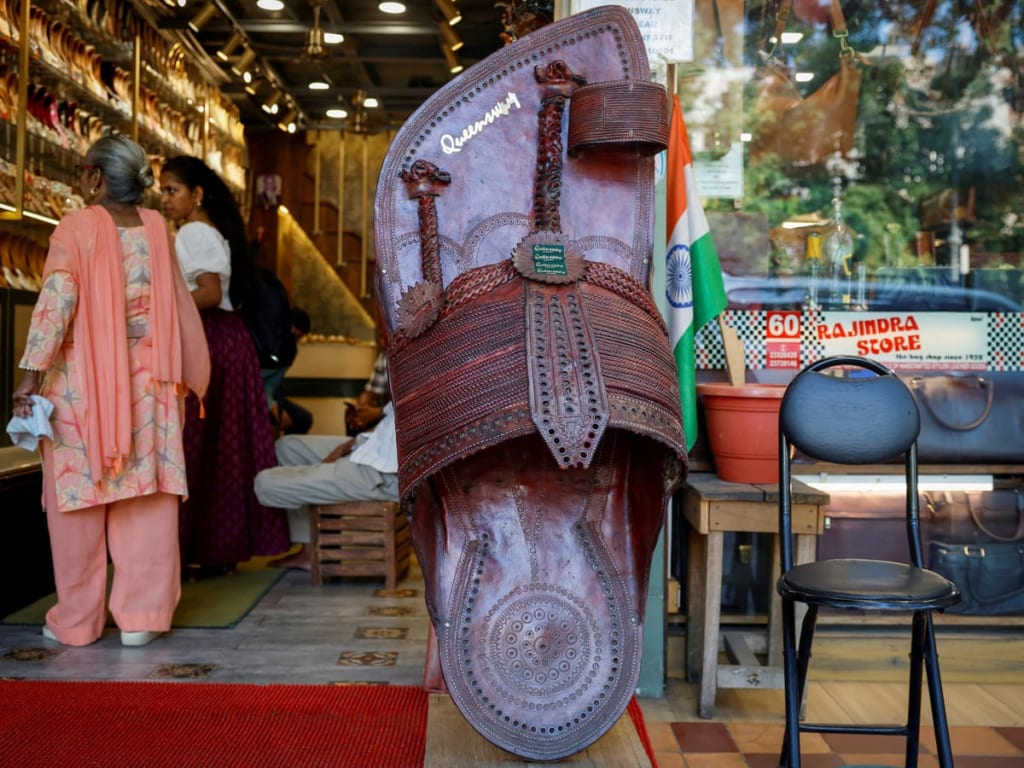
Luxury fashion often walks a fine line between appreciation and appropriation. This week, Italian fashion powerhouse Prada learned just how sensitive that line can be. After facing strong backlash online for releasing a pair of Kolhapuri-inspired sandals priced at $930, the brand has announced that the design will now be produced in India—the birthplace of the traditional Kolhapuri chappal.
The move has triggered intense global discussion, raising questions about cultural credit, pricing ethics, and the role of traditional crafts in modern luxury markets. While some applaud Prada for responding to criticism, others argue that this step does not fully address the deeper issues at play.
A Traditional Craft Meets High Fashion
Kolhapuri chappals are handmade leather sandals originating from Maharashtra, India. Known for their durability, craftsmanship, and cultural significance, these sandals have been worn for centuries. Skilled artisans spend hours cutting, stitching, and finishing each pair by hand, often using techniques passed down through generations.
Because of this deep heritage, many people felt discomfort when Prada originally launched a sandal that clearly resembled a Kolhapuri chappal—but priced it far beyond the reach of the communities that created the style.
Critics argued that Prada benefitted from Indian craft traditions without giving proper recognition, fair compensation, or sourcing credit to the artisans who shaped the design.
Social Media Backlash Drives Change
The backlash began shortly after the product images went live on Prada’s global website. Users from India and the South Asian diaspora quickly pointed out the similarities between the Prada sandal and the classic Kolhapuri chappal. Many questioned why the design was being presented as a luxury innovation rather than as a reinterpretation of a traditional craft.
The hashtag #Kolhapuri began trending, and influencers, fashion commentators, and even some celebrities entered the conversation. The sentiment was clear: global brands should not profit off indigenous designs without respect for their origins.
This criticism ultimately pushed Prada to revise its strategy. The company announced that the sandals would now be produced in India in collaboration with local craftsmanship hubs. The brand said this shift would ensure greater authenticity and “pay tribute to the artisans who inspired the design.”
Will This Help Indian Artisans?
Many people welcomed Prada’s decision to manufacture the sandals in India, seeing it as a positive step toward recognizing traditional crafts. If executed responsibly, this collaboration could create new opportunities for artisans, boost local employment, and give global visibility to Indian craftsmanship.
However, experts caution that transparency is key. It remains unclear how many artisans will be involved, what wages they will receive, and whether Prada plans to give long-term support to artisan communities or simply address the immediate backlash.
Indian artisans often struggle against mass-produced fast fashion, limited government support, and declining interest among younger generations. A sustained partnership with a global brand like Prada could provide economic stability—if handled ethically.
The Larger Question: Cultural Appreciation or Commercialization?
This controversy has also revived a broader debate about how luxury brands borrow from global cultures. When a multinational fashion house sells a traditional design at a premium price, it raises questions such as:
Who benefits financially from this reinterpretation?
Is the cultural origin acknowledged and respected?
Are the communities behind the design included in the value chain?
For many critics, the issue is not that Prada was inspired by Kolhapuri sandals—fashion constantly draws from history and culture. The issue is whether the brand initially failed to credit its inspiration appropriately and whether the pricing excluded the very communities who built the tradition.
By moving production to India, Prada appears to be attempting to correct course. But the long-term impact of this decision will be closely observed.
Luxury Consumers and the Push Toward Ethical Fashion
In recent years, luxury shoppers have become increasingly aware of where their products come from and how they are made. Transparency, sustainability, and cultural respect have become major expectations.
Brands like Prada face pressure not only to create beautiful products but also to demonstrate social responsibility. The Kolhapuri sandal controversy highlights how quickly public opinion can shift—and how essential cultural sensitivity has become in global fashion.
If Prada successfully collaborates with Indian artisans and gives them fair recognition and compensation, the move could set a new industry standard. But if the partnership is superficial, it risks being dismissed as a marketing tactic.
A Moment That Could Redefine Fashion Relationships
Prada’s decision to launch $930 ‘Made in India’ Kolhapuris is more than a product update—it is a defining moment in the conversation about culture, luxury, and fairness. The incident proves that traditional crafts still hold global appeal, and that their value extends far beyond trend cycles.
Whether this becomes a meaningful bridge between Indian artisans and global luxury markets depends entirely on what Prada does next.
About the Creator
Fiaz Ahmed
I am Fiaz Ahmed. I am a passionate writer. I love covering trending topics and breaking news. With a sharp eye for what’s happening around the world, and crafts timely and engaging stories that keep readers informed and updated.
Keep reading
More stories from Fiaz Ahmed and writers in The Swamp and other communities.
Bulgarian Government Resigns After Mass Anti-Corruption Protests
Bulgaria is experiencing a major political upheaval as the government resigned following weeks of mass anti-corruption protests. The resignation marks a significant turning point in the nation’s fight against corruption and reflects the growing frustration of citizens over systemic inefficiencies, perceived misuse of public funds, and lack of transparency in governance.
By Fiaz Ahmed about a month ago in The Swamp
Europe and South America Seal a Trade Pact for the Trump Era
Global trade is changing — and fast. In an era defined by tariffs, protectionism, and shifting alliances, Europe and South America have quietly made history. After more than two decades of negotiations, the European Union and the Mercosur bloc have sealed a major trade pact, creating one of the world’s largest free-trade zones.
By Aqib Hussain6 days ago in The Swamp



Comments
There are no comments for this story
Be the first to respond and start the conversation.