
US to Suspend Immigrant Visa Processing for 75 Countries: What It Means and Why It Matters
A Major Shift in US Immigration Policy
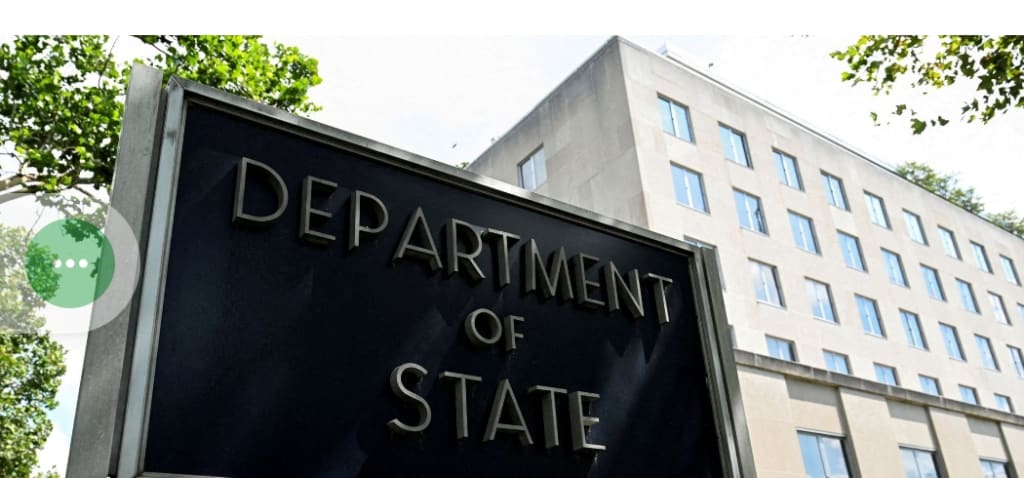
The United States is reportedly preparing to suspend immigrant visa processing for applicants from 75 countries, a move that could significantly reshape global migration patterns and diplomatic relations. If implemented, the decision would represent one of the most far-reaching changes to US immigration procedures in recent years, affecting thousands of families, workers, and students worldwide.
The policy, according to officials familiar with the matter, is being framed as an administrative and security-driven measure rather than a permanent ban. However, its scale and potential impact have already sparked debate among policymakers, immigration advocates, and affected communities.
What Does Suspending Immigrant Visa Processing Mean?
Suspending immigrant visa processing does not necessarily mean a complete prohibition on entry into the United States. Instead, it typically involves halting the review and approval of new immigrant visa applications at US embassies and consulates in the affected countries.
Immigrant visas are issued to individuals seeking permanent residence in the US, including family-sponsored immigrants, employment-based applicants, and diversity visa winners. A suspension would delay or freeze these pathways, leaving many applicants in prolonged uncertainty.
Non-immigrant visas—such as tourist, student, or temporary work visas—may or may not be included, depending on how the policy is implemented. Past measures have often drawn a distinction between permanent immigration and temporary travel.
Why Is the US Considering This Move?
US officials have cited several factors behind the proposed suspension. These include security concerns, administrative capacity, document verification challenges, and compliance with US immigration standards.
Some countries on the list reportedly lack reliable civil documentation systems, making it difficult for US authorities to verify identities, criminal records, or travel histories. Others may have limited cooperation with US immigration enforcement or information-sharing mechanisms.
In addition, the US immigration system continues to face backlogs and staffing shortages, worsened by the lingering effects of the COVID-19 pandemic. Suspending visa processing for certain countries may be viewed as a way to manage workload while broader reforms are considered.
Which Countries Could Be Affected?
While an official list has not been publicly confirmed, reports suggest that the 75 countries under consideration span Africa, Asia, the Middle East, and parts of Latin America. Many of these nations are already subject to heightened scrutiny due to political instability, conflict, or weak governance structures.
The geographic scope of the suspension underscores its global significance. If enacted, the policy would affect a diverse range of applicants, including family members of US citizens, skilled professionals, and refugees seeking long-term stability.
Impact on Families and Immigrants
For individuals and families awaiting immigrant visas, the consequences could be profound. Family reunification—a cornerstone of US immigration policy—may be delayed indefinitely, separating spouses, parents, and children across borders.
Employment-based immigrants, including doctors, engineers, and other skilled workers, could face career disruptions and financial uncertainty. For many, years of preparation, documentation, and waiting could be put on hold without a clear timeline for resumption.
Immigration advocates warn that prolonged suspensions can also encourage irregular migration or push applicants toward alternative destinations, reshaping global mobility trends.
Diplomatic and International Repercussions
Suspending immigrant visa processing for such a large number of countries is likely to carry diplomatic consequences. Governments whose citizens are affected may view the move as discriminatory or politically motivated, potentially straining bilateral relations.
In the past, similar restrictions have led to diplomatic protests and legal challenges. Countries that cooperate closely with the US on security, trade, or regional stability may seek exemptions or special arrangements.
The policy could also affect America’s global image as a destination for opportunity and diversity, particularly if it is perceived as targeting specific regions or populations.
Legal and Political Challenges Ahead
Any broad suspension of visa processing is likely to face legal scrutiny within the United States. Immigration policy sits at the intersection of executive authority and congressional oversight, and courts have previously intervened in cases involving sweeping immigration restrictions.
Domestically, the proposal has already ignited political debate. Supporters argue that stricter controls are necessary to protect national security and ensure the integrity of the immigration system. Critics counter that the move unfairly penalizes entire nations and undermines America’s humanitarian and economic interests.
The outcome may depend on how narrowly or broadly the policy is defined and whether exemptions are included for humanitarian cases.
Economic Implications for the United States
Immigrants play a critical role in the US economy, contributing to industries ranging from healthcare and technology to agriculture and education. A prolonged suspension of immigrant visa processing could exacerbate labor shortages, particularly in sectors already struggling to find workers.
Universities, research institutions, and businesses that rely on global talent may also feel the effects. Reduced immigration could slow innovation, economic growth, and cultural exchange, especially in an increasingly competitive global environment.
What Comes Next?
As of now, the suspension remains a proposal rather than a finalized policy. Details regarding implementation, duration, and exemptions are still unclear. Immigration lawyers and advocacy groups are advising applicants to monitor official announcements closely and prepare for potential delays.
The situation highlights the ongoing tension between security, administrative control, and humanitarian values in US immigration policy. How the government balances these priorities will shape the future of immigration for years to come.
A Defining Moment for Global Migration
The potential US decision to suspend immigrant visa processing for 75 countries marks a defining moment in global migration policy. Its effects would ripple far beyond borders, influencing families, economies, and international relationships.
Whether the move proves temporary or long-lasting, it underscores the growing complexity of immigration in a world shaped by security concerns, political pressures, and global inequality. For millions around the world, the outcome could determine not just where they live, but how they envision their future.
About the Creator
Keep reading
More stories from Aarif Lashari and writers in The Swamp and other communities.
Greenland’s Rising Role in Global Geopolitics: Shipping Routes, Hidden Minerals, and Superpower Rivalry
Once seen as a remote and largely isolated Arctic territory, Greenland is rapidly emerging as a focal point of global geopolitics. Driven by climate change, melting ice, and rapid technological advancement, the world’s largest island is transforming into a strategic hub defined by new shipping routes, vast mineral resources, and growing rivalry between major powers, particularly the United States and Russia. As the Arctic opens up, Greenland’s geographic position and untapped potential are pushing it to the center of international attention. This growing focus raises complex questions about security, sovereignty, environmental protection, and sustainable development, placing Greenland at the crossroads of global interests. Melting Ice and the Opening of New Shipping Routes One of the most visible impacts of climate change in the Arctic is the steady reduction of sea ice, which is making previously inaccessible waters navigable for longer periods each year. This environmental shift has opened the door to new Arctic shipping routes, including passages near Greenland’s extensive coastline. These routes offer significantly shorter travel distances between Europe, Asia, and North America. Compared to traditional shipping corridors such as the Suez Canal, Arctic routes can reduce transit times by thousands of kilometers, cutting fuel consumption, lowering costs, and reducing carbon emissions. Greenland’s coastal waters are increasingly viewed as vital transit corridors and logistical support hubs for this emerging maritime network. However, expanded shipping also brings serious concerns, including the risk of oil spills, ship accidents, and the lack of robust emergency and rescue infrastructure in the harsh Arctic environment. Hidden Mineral Wealth Beneath the Ice Beyond shipping opportunities, Greenland holds significant reserves of critical minerals that are essential to modern technology and the global energy transition. These include rare earth elements, lithium, graphite, uranium, and other strategic resources used in electric vehicles, renewable energy systems, batteries, and advanced defense technologies. As global demand for these materials continues to grow, Greenland is increasingly viewed as a potential alternative to mineral supply chains currently dominated by a small number of countries. This has heightened interest from Western governments and multinational corporations seeking to diversify sourcing and reduce strategic dependence. However, mining in Greenland remains deeply controversial. The island’s harsh climate, fragile ecosystems, and cultural traditions make large-scale extraction both technically challenging and politically sensitive. Local communities and policymakers face the difficult task of balancing economic development with environmental protection and cultural preservation. The United States’ Strategic Interest in Greenland The United States has long considered Greenland strategically vital, primarily due to its location between North America and Europe. The US maintains a permanent military presence at Pituffik Space Base (formerly Thule Air Base), which plays a crucial role in missile early-warning systems and space surveillance. In recent years, Washington has renewed its focus on Greenland as part of a broader Arctic strategy. This includes strengthening security cooperation, supporting infrastructure development, and working closely with Denmark, which retains responsibility for Greenland’s foreign and defense policy. American interest is driven by several factors: protecting transatlantic security routes, countering rival powers in the Arctic, and ensuring access to critical minerals vital for future industries and national security. Russia’s Expanding Arctic Ambitions Russia views the Arctic as central to its long-term economic and military strategy. Over the past decade, Moscow has invested heavily in Arctic military bases, nuclear-powered icebreakers, and energy infrastructure, particularly along its northern coastline. Although Greenland lies far from Russia’s core Arctic territories, developments on the island are closely monitored by Moscow. Greenland’s proximity to key North Atlantic shipping lanes and Arctic sea routes makes it strategically relevant in any broader confrontation between Russia and NATO. As relations between Russia and the West remain tense, Greenland’s location places it near the intersection of competing military and strategic interests, further elevating its geopolitical significance. Greenland Caught Between Global Powers The growing attention from major powers places Greenland in a delicate position. While the island seeks greater economic independence and sustainable development, it must navigate complex political relationships with Denmark, the United States, and other international stakeholders. Greenland’s leadership has emphasized the importance of maintaining control over its natural resources and ensuring that development projects benefit local communities. At the same time, increased geopolitical competition risks turning Greenland into a strategic chessboard rather than an equal partner in decision-making. This balancing act is becoming increasingly difficult as Arctic competition intensifies. Environmental and Social Challenges Greenland stands on the front lines of climate change. Melting ice sheets contribute directly to global sea-level rise, while local communities face profound changes to traditional livelihoods such as fishing, hunting, and transportation. The expansion of shipping and mining could bring jobs, infrastructure, and economic opportunity. However, it also threatens fragile ecosystems and raises concerns about pollution, habitat destruction, and long-term environmental damage. Future development in Greenland will require careful regulation, strong international cooperation, and meaningful engagement with local communities to ensure progress does not come at an irreversible cost. A Strategic Future Still Being Written Greenland’s transformation from an isolated Arctic territory into a geopolitical hotspot reflects broader changes unfolding across the Arctic region. As climate change reshapes geography and global power dynamics evolve, Greenland’s importance will only continue to grow. Whether the island becomes a model of sustainable development and cooperation—or a frontline of great-power rivalry—will depend on decisions made today. Greenland now stands as both an opportunity and a warning, highlighting the need for responsible governance in a rapidly changing world.
By Aarif Lasharia day ago in The Swamp
Russia-Ukraine War: Key Developments on Day 1,416 of the Conflict
Introduction The Russia-Ukraine war has reached day 1,416, marking nearly four years since the full-scale invasion began. What was initially expected by many to be a short conflict has evolved into one of the most prolonged and consequential wars in modern European history. Each passing day brings new military developments, diplomatic signals, and humanitarian consequences that continue to reshape regional and global politics.
By Mohammed Azam7 days ago in The Swamp




Comments
There are no comments for this story
Be the first to respond and start the conversation.