
Rates of West Nile Virus Increasing Throughout Philadelphia Region
Rates of West Nile Virus increasing throughout Philadelphia region

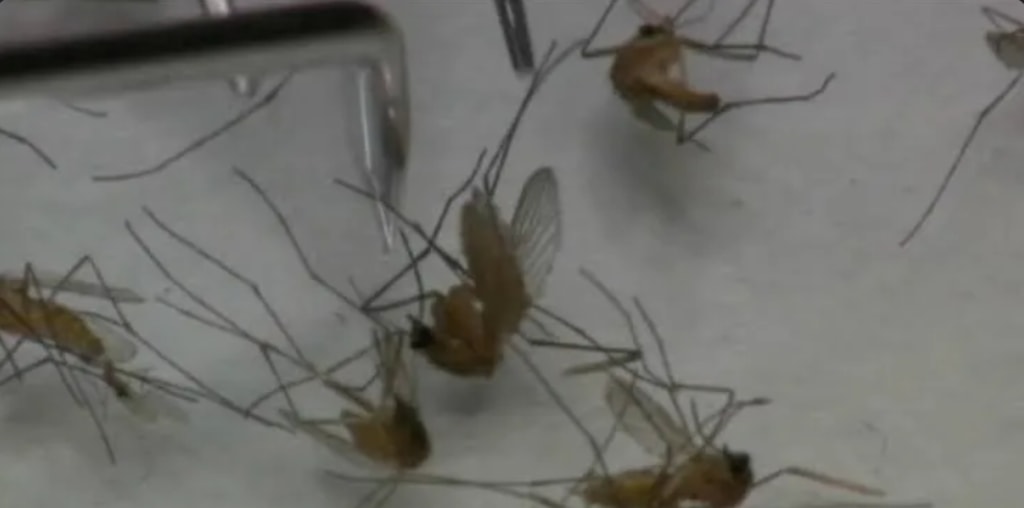
West Nile Virus cases are rising throughout the Philadelphia region. As the number of cases of West Nile Virus (WNV) continues to rise throughout the summer, health officials in the Philadelphia area are raising the alarm. The mosquito-borne illness, which has been present in Pennsylvania since the beginning of the 2000s, is experiencing a significant resurgence, with an increase in the number of human cases and positive mosquito pools. In Philadelphia, Montgomery, Delaware, Bucks, and Chester Counties, the presence of the virus-carrying mosquitoes has been confirmed to be higher than usual. According to data from environmental surveillance, the primary disease-carrying Culex species of mosquito have found ideal breeding conditions thanks to warmer temperatures, recent heavy rainfall, and persistent humidity. Officials say that although the rise isn't yet considered an outbreak, the pattern is troubling enough to warrant increased mosquito control efforts. In particular in areas where mosquito samples have tested positive, crews are spraying insecticides in targeted neighborhoods. Local governments are urging residents to take preventative measures seriously and keeping a daily eye on traps. The bite of an infected mosquito is how West Nile Virus gets into people. One in five people who contract the virus will experience fever, headaches, body aches, nausea, and fatigue. The majority of people who contract the virus will not experience any symptoms. The virus can cause neurological problems like meningitis or encephalitis in severe cases, especially in older people or those with weaker immune systems. These conditions, which can be fatal, necessitate immediate medical attention. The Philadelphia region has not seen such widespread positive mosquito pools since 2018, when dozens of human cases and several fatalities were reported across Pennsylvania. This year's increase has sparked concern because of this. Climate change may be contributing to the rise, experts warn. Mosquito populations are able to survive in greater numbers thanks to warmer winters, and wet springs and summers increase the amount of standing water in which the insects can breed. Dr. Philadelphia's Health Commissioner, Cheryl Bettigole, emphasized that vigilance is essential despite the low overall risk to any individual. Bettigole offered this explanation: "We are seeing higher mosquito activity carrying West Nile Virus than we typically expect at this point in the season." “We want residents to protect themselves by using insect repellent, wearing long sleeves and pants during peak mosquito hours, and eliminating standing water around their homes.”
Public alerts are being distributed by counties all over the region. Montgomery County has reported its highest number of positive mosquito pools in over five years. Multiple warnings about evening outdoor activities have been issued by Delaware County. Storm drains and abandoned properties, where stagnant water frequently accumulates and provides ideal habitat for mosquitoes, have been inspected by Bucks County officials. Larvicides and adulticides are being used by Chester County to reduce the number of mosquitoes. It is being urged on residents to take small precautions to reduce their exposure. The number of places where birds can breed can be dramatically reduced by draining birdbaths, clogged gutters, buckets, and old tires. Mosquitoes can't get into homes if doors and windows have screens on them. During outdoor activities, personal protection can be achieved by applying repellents with DEET, picaridin, or oil of lemon eucalyptus that have been approved by the EPA. Experts in the medical field also emphasize the significance of recognizing symptoms early. After being bitten by a mosquito, anyone who experiences a sudden high fever, confusion, stiff neck, or vision problems should seek medical attention right away. In severe cases, supportive care in a hospital setting can significantly improve outcomes, despite the lack of a specific treatment or vaccine for West Nile virus. Officials anticipate that mosquito populations will remain active throughout the month of August, despite the arrival of cooler temperatures in the fall. The Philadelphia Department of Public Health intends to expand community outreach, particularly in areas where mosquito populations have historically been high. Educational materials and insect repellents are being distributed through partnerships with neighborhood associations, schools, and community groups. Although the reemergence of the West Nile virus presents challenges, leaders in public health emphasize that individual action can significantly contribute to prevention. Every family that wears repellent and protective clothing, every community that works with spraying efforts, and every homeowner who removes standing water all contribute to lowering the overall risk. The rise in cases serves as a reminder of the delicate balance between human health and the environment. As climate patterns shift and urban development alters ecosystems, diseases once considered rare or seasonal may become recurring threats. In the Philadelphia region, West Nile Virus was once uncommon but is now a common summer risk. Officials hope to prevent a larger public health crisis from arising from this year's increase through vigilance, prevention, and public cooperation.
About the Creator
GLOBAL NEWS
World News Updated
Short News upload
Technology News
Keep reading
More stories from GLOBAL NEWS and writers in The Swamp and other communities.
Powerball Jackpot Rockets Past $600 Million Ahead of Monday Night Drawing
Before the Monday night drawing, the Powerball jackpot surges past $600 million. Before Monday night's drawing, the Powerball jackpot has increased to an eye-popping $655 million, making it the largest prize of the year thus far and one of the largest in recent history. Since the last grand prize win on May 31st, when a lucky ticket holder in California won the top prize, the jackpot has grown steadily. Since then, no player has been successful in matching all six numbers, and the jackpot has rolled over thirty times in a row. This long streak without a winner has fueled anticipation and ticket sales nationwide, as millions of hopefuls line up for their shot at fortune.
By GLOBAL NEWS5 months ago in The Swamp
Where Have The Opportunities Gone?
I’m a little jealous of my grandfather. He lived in a time where so few people could read or write that just being literate afforded him a civil servant job for life. The same job inherited by my father. But that same job was out of reach to me, despite not only being literate as well but, unlike my literal forefathers, also tech-literate with a bachelor’s degree. Even my father was confused why a position offered to him, through virtue of nepotism, wasn’t open to me. This anecdote is symptomatic of a downward trend; the loss of opportunities.
By Conor Matthewsabout 22 hours ago in The Swamp


Comments
There are no comments for this story
Be the first to respond and start the conversation.