
Polish Central Bank Approves Plan to Buy 150 Tons of Gold – A Strategic Move in Global Reserve Policy
“Warsaw strengthens its financial defenses, joining global central banks in a strategic gold accumulation amid rising geopolitical and economic uncertainties.”

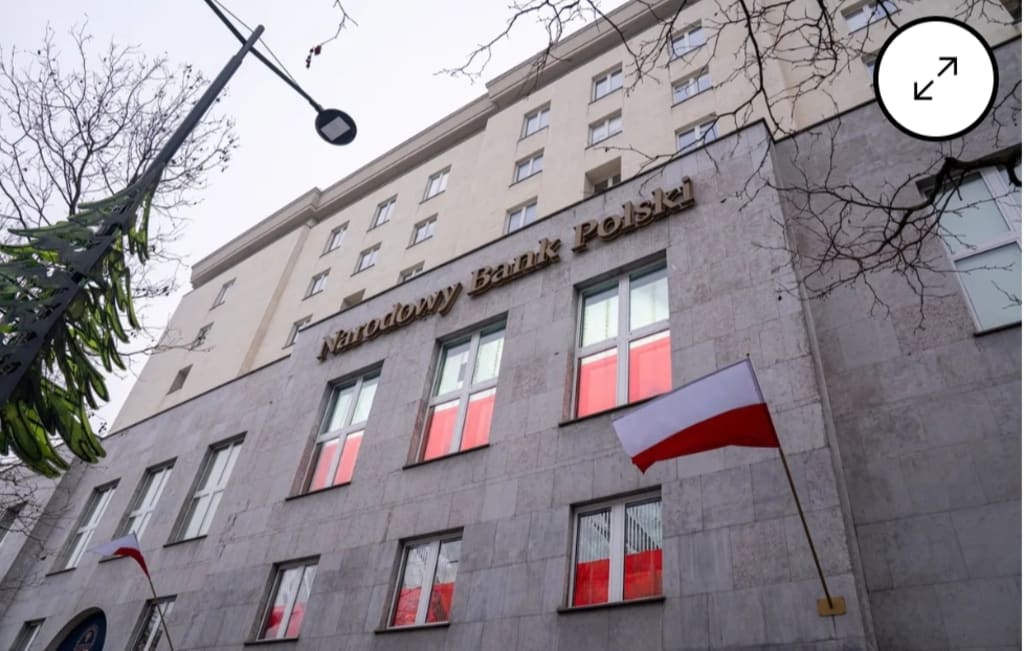
In a bold and strategic decision that reflects rising global uncertainty and shifting reserve priorities, the National Bank of Poland (NBP) has approved a plan to purchase up to 150 tons of gold. This major acquisition, announced in January 2026, is set to elevate Poland’s total gold reserves to approximately 700 tons, positioning the country among the top ten nations worldwide with the largest official gold holdings.
Gold, long regarded as a timeless store of value, has once again come to the forefront of central bank reserve strategies. This latest move by Poland underscores the enduring significance of bullion as a hedge against geopolitical risk, financial instability, inflation, and volatility in global markets.
---
A Decade of Growing Gold Ambitions
Poland’s gold accumulation strategy didn’t start overnight. Over the past decade, the NBP has steadily expanded its bullion position—so much so that it now holds more gold than the European Central Bank (ECB).
According to central bank reports and market analyses, Poland’s gold reserves have surged from relatively modest levels in the early 2000s to over 550 tons by the end of 2025. This increase reflects a broader shift in reserve management, where gold occupies a larger share of total assets than it did in previous decades.
Unlike other reserve assets such as foreign currency deposits or government bonds, gold offers zero credit risk and complete independence from any foreign monetary policy. This key property makes it particularly attractive at times when global financial structures face stress.
---
Why Gold Matters – Strategic and Economic Reasons
Central banks around the world buy gold for many reasons, and Poland’s motivations are no different. However, several specific factors make gold especially relevant for the Polish central bank:
1. Hedge Against Geopolitical Risk
Poland’s position on the eastern edge of the European Union and NATO—close to ongoing tensions in Eastern Europe—gives added urgency to its risk‑mitigation strategies. Leaders in Warsaw often cite geopolitical unpredictability as one reason gold should make up a significant portion of foreign exchange reserves, offering stability when financial markets are under stress.
2. Diversifying Reserve Assets
Gold diversifies a central bank’s reserve portfolio, reducing reliance on dollar‑denominated assets such as U.S. Treasury securities. The trend towards diversification is visible globally: many central banks, particularly in emerging and middle‑income economies, have increased their gold purchases significantly over the past several years.
3. Protection Against Currency Risks
Poland maintains its own currency—the zloty—which makes foreign exchange reserves critical for maintaining stability. A robust gold reserve serves as a hedge against currency devaluation and extreme financial stress, supporting confidence in the zloty for both domestic markets and international investors.
---
What This Purchase Means for Poland’s Global Standing
Once the plan to acquire 150 extra tons is implemented, Poland’s gold holdings will rise to roughly 700 tons—up from about 550 tons previously.
This increase is significant for several reasons:
Top Ten Global Ranking: With 700 tons, Poland would rank among the world’s largest official holders of gold. Historically, this group has been dominated by major economies such as the United States, Germany, Italy, and France.
Enhanced Economic Credibility: A larger gold reserve can bolster international confidence in Poland’s financial system, sending a message about long‑term stability and fiscal prudence.
Buffer Against Market Volatility: Gold’s traditional role as a safe haven becomes especially valuable when currency markets face turbulence or when continental economies confront stress.
France, Germany, Italy, and other long‑established economies have traditionally held large gold reserves, but in recent years, newer dynamics have led other central banks—Poland included—to accumulate more bullion as part of strategic reserve diversification.
---
The Price Dynamics and Potential Market Impact
While the NBP has not specified a precise timeline to complete the additional purchases, analysts expect that such significant demand could influence bullion markets. In late January 2026, gold prices were already climbing, nearing unprecedented levels in response to broader global uncertainties.
Central bank demand is a powerful driver of gold markets. When a major sovereign player like Poland signals continued purchases, it tends to reinforce bullish sentiment, especially at a time when investor appetite for safe assets is robust.
However, some economists caution that timing purchases is crucial. Gold prices—though historically stable in the long term—can experience short‑term volatility. Poland’s leadership has suggested that the bank will be flexible and consider market conditions in executing its purchases, rather than rushing to meet a fixed schedule.
---
The Broader Global Trend: Central Banks and Gold
Poland is not acting in isolation. Central banks worldwide have been shifting toward gold acquisition as part of diversified reserve strategies. Data from global reserve reports shows robust gold buying activity across many countries, driven by similar concerns about inflation, currency risks, and geopolitical instability.
Countries such as India, China, and others have increased bullion holdings in recent years, creating a long‑term trend rather than a temporary market reaction. This increasingly prominent role for gold suggests that central banks continue to regard it as a foundational reserve asset—even in an era dominated by digital payments and modern finance.
---
Conclusion: A Strategic Move With Long‑Term Implications
The National Bank of Poland’s plan to buy up to 150 tons of gold is more than a headline—it reflects a strategic recalibration of national reserve policy in a world marked by uncertainty and rapid change. By boosting gold reserves toward 700 tons, Poland is not merely accumulating a commodity; it is reinforcing its financial defenses, enhancing economic credibility, and aligning with a global trend toward greater reserve diversification.
In the coming years, how Poland executes this plan—and how other nations respond—will be closely watched by markets, policymakers, and investors alike.
About the Creator
Keep reading
More stories from Salaar Jamali and writers in The Swamp and other communities.
Greenland and Denmark Say Sovereignty ‘Red Line’ After Latest Trump Remarks
- How Arctic geopolitics, NATO and national dignity are shaping transatlantic relations In recent days, a heated geopolitical story has reignited international attention on the Arctic and the rights of small states within larger alliances. Greenland and Denmark have drawn a firm “red line” on sovereignty after U.S. President Donald Trump made remarks suggesting a future deal might give the United States sweeping access to the strategically crucial island. Their response underscores not just political sensitivities but deeper questions about territorial integrity, alliance cooperation and Arctic security in an era of intensifying global power competition.
By Salaar Jamaliabout 21 hours ago in The Swamp
Popular Sports Apparel Retail Chain Files Chapter 11 Bankruptcy
In a surprising move that has sent shockwaves through the retail and sports industries, a popular sports apparel chain has filed for Chapter 11 bankruptcy. The announcement marks a major turning point for a brand that has long been a go-to destination for athletes and casual shoppers alike. While the company continues to operate during bankruptcy proceedings, the filing highlights broader challenges facing brick-and-mortar retail in an era of e-commerce and changing consumer habits.
By Muhammad Hassan5 days ago in The Swamp
Mother of Elon Musk’s Child Sues xAI Over Grok Deepfakes
The world of artificial intelligence has taken another controversial turn, this time involving one of the most high-profile figures in tech: Elon Musk. Reports have surfaced that the mother of Musk’s child has filed a lawsuit against xAI, Musk’s AI company, over alleged misuse of AI-generated deepfake technology. The case centers on Grok, xAI’s chatbot, which, according to the lawsuit, created unauthorized deepfake content that impacted the plaintiff’s privacy and emotional wellbeing.
By Muhammad Hassan5 days ago in The Swamp




Comments
There are no comments for this story
Be the first to respond and start the conversation.