
Pokémon Company Apologises After Advertising Event at Controversial War Crimes Shrine
A marketing campaign sparks backlash over historical memory and cultural sensitivity in Japan

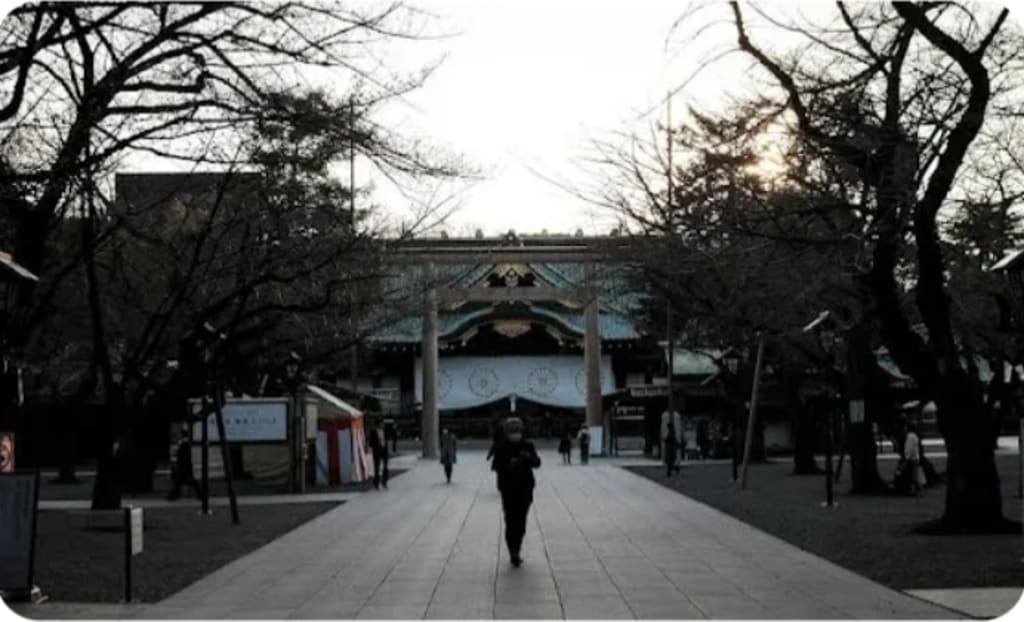
The Pokémon Company has issued a public apology after promoting a themed event connected to a location widely associated with Japan’s wartime past, igniting controversy both domestically and internationally. The incident highlights how global entertainment brands can stumble when marketing intersects with unresolved historical and political sensitivities.
What was intended as a celebratory promotional event quickly became a flashpoint for criticism, forcing the company behind one of the world’s most beloved franchises to acknowledge its mistake and reassess how it handles culturally sensitive sites.
The Incident That Sparked the Backlash
The controversy began when promotional materials advertised a Pokémon-related event near a shrine that has long been linked to Japan’s World War II legacy. The shrine honors millions of war dead, but also includes individuals convicted of war crimes, making it deeply divisive across East Asia.
Once images and announcements of the event circulated online, critics accused the Pokémon Company of showing poor judgment by associating a family-friendly brand with a site viewed by many as symbolic of militarism and historical denial.
Social media users questioned how a franchise centered on friendship, adventure, and unity could be connected to a place that remains a source of pain for victims of wartime atrocities in countries such as China and South Korea.
Public Reaction and International Sensitivity
The backlash spread rapidly beyond Japan. International audiences expressed concern that the event overlooked the historical trauma associated with the shrine. Advocacy groups and commentators argued that global brands have a responsibility to understand the political and historical meaning of the spaces they use for marketing.
Many fans said they were disappointed, not angry, emphasizing that Pokémon has long been seen as a symbol of childhood innocence and cultural connection. For them, the association felt out of place and unnecessary.
Others pointed out that younger generations in Japan may not always be fully aware of the shrine’s controversial status, underscoring the complexity of navigating domestic traditions alongside international expectations.
The Pokémon Company’s Apology
In response to growing criticism, the Pokémon Company issued a formal apology. The statement acknowledged that the promotional event caused distress and stated that the company had not sufficiently considered the historical implications of the chosen location.
The company clarified that there was no intention to support or glorify any wartime ideology and stressed that the event was meant purely as entertainment. It also confirmed that the advertising campaign had been withdrawn and that internal reviews would be conducted to prevent similar incidents in the future.
The apology emphasized Pokémon’s commitment to being a brand that brings people together across cultures and borders, reinforcing its role as a global symbol rather than a national one.
Why the Shrine Remains Controversial
The shrine at the center of the controversy has long been a sensitive issue in East Asia. While it commemorates Japan’s war dead, it also enshrines convicted war criminals from World War II. Visits by politicians often provoke diplomatic protests, and debates about historical memory continue to divide public opinion.
For many in neighboring countries, the shrine represents unresolved grievances and a lack of full acknowledgment of wartime responsibility. For others in Japan, it is seen as a religious and cultural site honoring fallen soldiers.
This dual interpretation makes it one of the most politically charged locations in the country—one that global brands must approach with extreme caution.
Corporate Responsibility in a Global Market
The incident raises broader questions about how multinational companies handle cultural and historical awareness. Pokémon is not just a Japanese franchise; it is a global brand with millions of fans across continents.
Experts argue that companies operating internationally must conduct deeper cultural and political assessments when choosing venues or themes for public events. What seems neutral or harmless in one context can be deeply offensive in another.
This situation demonstrates how marketing decisions can carry unintended political meaning, especially when linked to sites with historical trauma.
Fan Communities and Brand Identity
Pokémon has cultivated an image of positivity, cooperation, and imagination for more than two decades. Its fan base includes children, adults, and people from diverse cultural backgrounds.
For many fans, the controversy felt like a disconnect between the franchise’s values and the chosen promotional setting. Online discussions reflected a desire for brands to remain mindful of how their actions resonate emotionally with audiences.
At the same time, some fans defended the company, arguing that the mistake was likely unintentional and rooted in cultural oversight rather than political intent.
Lessons for the Entertainment Industry
This episode serves as a reminder that entertainment companies do not operate in a vacuum. Historical memory, politics, and culture inevitably shape public perception.
As global brands increasingly host events in physical locations rather than purely digital spaces, they must consider not only logistics and aesthetics but also symbolic meaning. Shrines, monuments, and historical landmarks carry layers of significance that cannot be separated from modern messaging.
Transparency, research, and consultation with cultural experts may become standard practice for companies seeking to avoid similar controversies.
Conclusion: A Misstep With Broader Implications
The Pokémon Company’s apology marks an effort to move forward and restore trust among fans who felt uneasy about the advertising campaign. While the incident may fade from headlines, it leaves behind important lessons about cultural awareness and corporate responsibility.
What began as a promotional event turned into a global conversation about history, memory, and the role of popular culture in sensitive spaces. For a franchise built on imagination and unity, the challenge now is to reaffirm its values while learning from a misjudgment that resonated far beyond its original audience.
In an increasingly interconnected world, even fictional creatures like Pokémon cannot escape the realities of history. How companies navigate those realities will shape not only their reputation but also their relationship with global communities.
About the Creator
Sajida Sikandar
Hi, I’m Sajida Sikandar, a passionate blogger with 3 years of experience in crafting engaging and insightful content. Join me as I share my thoughts, stories, and ideas on a variety of topics that matter to you.
Keep reading
More stories from Sajida Sikandar and writers in The Swamp and other communities.
A 24-Year-Old Frenchman Shows Up at Hospital With a World War I Shell Lodged in His Rectum
In an incident that stunned both medical professionals and the public, a 24-year-old man in France arrived at a hospital emergency department with an unexpected and dangerous object lodged inside his body: a World War I artillery shell. What initially appeared to be an unbelievable rumor was later confirmed by hospital authorities, turning the case into one of the most unusual medical emergencies in recent memory.
By Sajida Sikandarabout 6 hours ago in The Swamp
Judge Orders Release of 5-Year-Old Liam Conejo Ramos and His Father From ICE Detention
A U.S. federal judge has ordered that five-year-old Liam Conejo Ramos and his father, Adrian Alexander Conejo Arias, be released from U.S. Immigration and Customs Enforcement (ICE) custody at a family detention center in Dilley, Texas by no later than Tuesday, Feb. 3. � AP News The decision follows intense public attention and legal challenges after the family was detained in Minnesota earlier this month — an incident that sparked widespread national outrage and protests. � Reuters Details of the Ruling U.S. District Judge Fred Biery in San Antonio issued the order on Jan. 31, 2026, granting an emergency legal request from the family’s attorneys. He sharply criticized the government’s immigration enforcement approach and its impact on children, saying the case stemmed from “ill-conceived and incompetently-implemented government pursuit of daily deportation quotas, apparently even if it requires traumatizing children.” � CBS News As part of his opinion, the judge included a photo of Liam and references to Bible passages and constitutional principles, underscoring his concerns about how immigration policies were applied in this case. � AP News What Sparked the Outrage The family’s detention captured national attention after images circulated showing Liam — wearing a blue hat and his Spider-Man backpack — being taken into custody outside his home in a Minneapolis suburb on Jan. 20, 2026. � Reuters According to the school district and critics, the boy was detained immediately after preschool, and his arrest raised questions about how immigration agents handled the situation and whether adequate safeguards were in place for children. � ABC7 Los Angeles Lawmakers, including Representatives Joaquin Castro and Jasmine Crockett, visited Liam and his father in detention and described the child as unwell, sad, and frequently tired, highlighting concerns about the conditions of the facility. � tpr.org Legal and Constitutional Issues Raised Judge Biery’s ruling didn’t just order their release — his written opinion delivered one of the strongest judicial rebukes of recent immigration enforcement practices. Key points from the judge included: Administrative warrants issued by immigration authorities — without independent judicial oversight — do not meet constitutional standards for probable cause. � The Independent The government’s pursuit of deportation as a numbers-driven policy was unduly harmful, especially to a young child. � PBS Multiple references in the order to biblical verses and founding principles were used to emphasize human decency and legal process. � The Independent He explicitly wrote that the enforcement actions “echo grievances” similar to those cited by Thomas Jefferson in the Declaration of Independence — a dramatic constitutional comparison rarely seen in such rulings. � ABC News U.S. Government’s Response The Department of Homeland Security (DHS), which oversees ICE, has disputed some details about how the detention occurred — for example, challenging claims that agents used the child as “bait” to get a family member to open the door. � PBS Officials from DHS and the Department of Justice did not immediately offer a public comment on the judge’s order by press time. � WSLS However, the ruling means the father and son cannot be detained any longer in the current facility, and their removal from the United States remains barred at least temporarily while their ongoing asylum case proceeds in immigration court. � AP News What Happens Next The court has given the government until Feb. 3 to release Liam and his father from immigration custody. � CBS News Their asylum claim remains pending, meaning they are still in the formal immigration system but are legally barred from removal at this stage. � ABC News The order directs officials to report back to the court to confirm the release has taken place. � The Independent Lawyers for the family have expressed relief and said they are working to ensure the pair’s safe reunion with relatives and community members. � PBS Broader Context and Reactions The case has resonated far beyond this specific family. It has become a flashpoint in the national debate over immigration enforcement, particularly regarding the treatment of children in detention and the use of administrative powers without judicial oversight. � ABC7 Los Angeles Advocacy groups and child welfare organizations have criticized past policies that placed children and families in long-term detention centers, and this ruling is likely to fuel ongoing legal challenges and calls for reform. � tpr.org Why This Matters This ruling is unusual not only because it involves a child but because of how forcefully the judge questioned enforcement tactics. It underscores broader tensions in U.S. immigration policy, including: The balance between enforcement authority and constitutional protections The role of judicial oversight in detention actions How families and children are treated under current practices For now, the focus is on reuniting a young boy with his family outside detention and on the broader legal and moral questions the case has raised.
By Zahid Hussain3 days ago in The Swamp
Autocracy Won’t Affect My Dog
“Autocracy won’t affect my dog.” It’s the kind of phrase you hear half-jokingly, half-resigned, usually in conversations about politics that feel too big, too abstract, or too far removed from daily life. After all, when governments slide toward authoritarianism, your dog still needs walking, still begs for treats, still curls up beside you at night. Life, at least on the surface, goes on.
By Aarif Lashari5 days ago in The Swamp



Comments
There are no comments for this story
Be the first to respond and start the conversation.