
Pfizer’s Monthly Obesity Injection Shows Promise in Mid-Stage Clinical Trial
A new long-acting weight-loss drug could reshape obesity treatment and challenge leading competitors in the booming weight-loss market
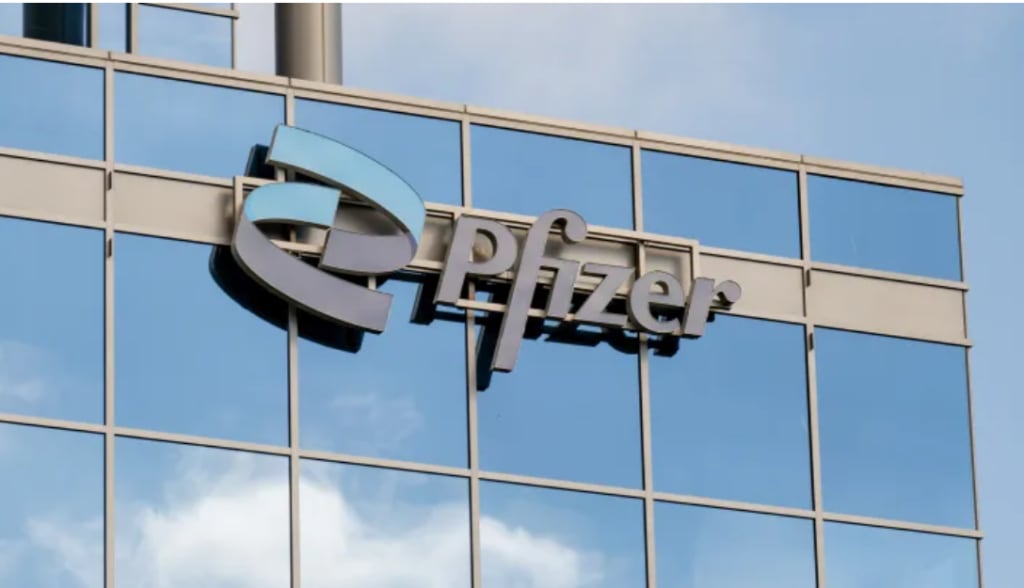
The global obesity epidemic has become one of the most pressing public health challenges of the 21st century. With millions of people struggling to manage weight and related health conditions, pharmaceutical companies are racing to develop effective treatments. Recently, Pfizer announced promising results from a mid-stage clinical trial for its experimental obesity injection, which could potentially be taken just once a month. This development could mark a significant breakthrough in weight-loss therapy, offering patients a more convenient and effective treatment option.
What Did Pfizer Announce?
Pfizer revealed that its experimental obesity drug demonstrated encouraging results in a Phase 2 clinical trial. Unlike existing treatments that often require weekly injections, Pfizer’s new medication is designed as a monthly injection, making it more convenient for patients.
The drug works by targeting pathways in the body that regulate appetite and metabolism, similar to popular weight-loss medications like Wegovy and Ozempic. However, its extended dosing schedule could make it a game-changer in the rapidly growing obesity treatment market.
Why Monthly Treatment Matters
One of the biggest challenges in obesity treatment is patient adherence. Many people struggle to follow long-term medication schedules, especially when injections are required weekly or daily. A monthly injection could significantly improve compliance, making it easier for patients to stay on treatment.
Convenience is a major factor in healthcare, and a longer-acting injection could reduce the burden on patients and healthcare providers. This could lead to better long-term outcomes, as consistent treatment is key to sustained weight loss and improved metabolic health.
How Obesity Drugs Work
Modern obesity medications typically target hormones involved in appetite and glucose regulation. Many of these drugs mimic hormones like GLP-1, which help reduce hunger and slow digestion, leading to decreased calorie intake.
Pfizer’s experimental drug is believed to work through a similar mechanism, though the company is exploring new formulations to extend the duration of its effects. By improving how long the drug stays active in the body, Pfizer aims to reduce dosing frequency while maintaining effectiveness.
The Growing Weight-Loss Drug Market
The obesity drug market has exploded in recent years, driven by rising obesity rates and the success of new-generation medications. Companies like Novo Nordisk and Eli Lilly have dominated headlines with blockbuster drugs that have shown significant weight-loss results.
Pfizer’s entry into this competitive space reflects the enormous commercial potential of obesity treatments. Analysts estimate that the global weight-loss drug market could reach tens of billions of dollars annually, making it one of the most lucrative areas in pharmaceuticals.
Clinical Trial Results and Safety
In the mid-stage trial, Pfizer’s obesity injection showed promising weight-loss results among participants. While detailed data is still being analyzed, early findings suggest the drug was effective in reducing body weight and improving metabolic markers.
Safety is a critical factor in drug development, and Pfizer reported that the treatment was generally well tolerated. However, like many obesity medications, some participants experienced side effects such as nausea, digestive issues, and fatigue. These side effects are common with appetite-regulating drugs and are usually manageable with proper medical supervision.
Potential Benefits for Patients
If approved, Pfizer’s monthly obesity injection could offer several benefits:
Convenience: Fewer injections could make treatment easier and less intrusive.
Improved adherence: Patients may be more likely to stick with a monthly regimen.
Better outcomes: Consistent treatment could lead to sustained weight loss and reduced health risks.
Expanded access: A new competitor could help lower prices and increase availability.
Obesity is linked to serious health conditions like diabetes, heart disease, and certain cancers. Effective treatment options can significantly improve quality of life and reduce healthcare costs.
Challenges and Regulatory Hurdles
Despite promising results, Pfizer’s drug still faces several hurdles before reaching the market. Phase 3 trials will be required to confirm safety and effectiveness in a larger population. Regulatory agencies like the FDA will thoroughly review the data before granting approval.
Drug development is a long and expensive process, and many candidates fail in late-stage trials. Pfizer will need to demonstrate that its monthly injection is not only effective but also safe for long-term use.
Competition with Existing Weight-Loss Drugs
Pfizer is entering a market already dominated by powerful players. Novo Nordisk’s Wegovy and Eli Lilly’s Zepbound have set high standards for weight-loss results, with some patients losing more than 15% of their body weight.
To compete, Pfizer’s drug will need to offer comparable effectiveness, better convenience, or lower costs. The monthly dosing schedule could be a major competitive advantage, especially for patients who dislike frequent injections.
Economic and Social Implications
The success of obesity drugs has broader implications beyond healthcare. These medications could influence food industries, healthcare systems, and even societal attitudes toward weight management.
As more people gain access to effective treatments, obesity-related stigma may decrease, and public health outcomes could improve. However, concerns about accessibility, affordability, and overreliance on medication remain important topics of discussion.
The Future of Obesity Treatment
Pfizer’s promising trial results highlight the rapid evolution of obesity treatment. Researchers are exploring combination therapies, oral medications, and long-acting injectables to provide more personalized and effective options.
The future of weight-loss treatment may include a combination of medication, lifestyle changes, and digital health tools. Monthly injections could become part of a broader ecosystem of obesity management, offering patients flexible and sustainable solutions.
Conclusion
Pfizer’s announcement that its obesity injection shows promise as a monthly treatment marks an exciting development in the fight against obesity. With convenience, improved adherence, and strong early results, the drug could become a significant competitor in the booming weight-loss market.
While more research and regulatory approval are needed, the potential impact on patients and healthcare systems is substantial. As pharmaceutical companies continue to innovate, obesity treatment is entering a new era—one where effective, long-lasting, and convenient therapies may soon become widely available.
If Pfizer’s drug successfully completes clinical trials, it could redefine how obesity is treated and offer hope to millions of people seeking sustainable weight-loss solutions.
About the Creator
Dollar Falls to 4‑Month Low and Precious Metals Surge to Record Highs
Introduction: A Shifting Financial Landscape In a dramatic turn of events for global financial markets, the U.S. dollar has weakened to levels not seen in four months, while precious metals such as gold and silver have surged to record or near‑record prices. This sharp divergence highlights growing investor unease about the global economic outlook, shifting fiscal policies, and ongoing geopolitical uncertainty. What exactly is driving these trends, and what do they mean for investors and the broader economy?
By Salaar Jamali7 days ago in The Swamp
Trump Warns of ‘Bad Things’ if No Deal Reached With Iran
U.S. President Donald Trump issued a stark warning this week that “bad things” could happen if the United States and Iran fail to reach a diplomatic agreement on Tehran’s nuclear program, as high-stakes talks are set to resume in Istanbul later this week. �
By Fiaz Ahmed about 22 hours ago in The Swamp
Killing him slowly
There’s an intruder in my house again. He stumbles through the door, wet carrier bags in hand. He’s bought me offerings. I show my appreciation, letting him caress my beautiful body. He wants to touch me. I rub myself against his legs. He sighs, dropping the bags. He can’t resist touching me. Running his hand slowly down my spine, I arch my back towards his caress, let out a low purr. It’s what we both need.
By N J Delmas7 days ago in Horror




Comments
There are no comments for this story
Be the first to respond and start the conversation.